
Mini Split Installation in Massachusetts
Homes in Massachusetts are older than in 47 of the other 49 states.
Tell us about the job
Takes about a minute. No obligation.
- 80°Fsummer afternoon high where people live
- 2 monthsof cooling, July through August
- 21°Fwinter overnight low where people live
- 8 monthsof heat, October through May
Electricity here costs more than almost anywhere A mini split's efficiency shows up on every bill
- Hottest summers in Middlesex County, mildest in Nantucket County
- Summer afternoons average 80°F where people live
- Winter nights average 21°F where people live
- Cooling runs July through August
- 3,622 damaging wind events from 2015 to 2024
- 10% of homes lost power a day or more in 2024


Half the homes in Massachusetts were built in 1964 or earlier

Massachusetts gets its share of severe weather, 4,791 events over the past ten years, most of it damaging wind and winter storms. None of that calls for a bigger mini split or a different kind of system. A properly sized unit handles a cold snap or a windy night the same way it handles any other day.
A standard mini split, sized to the room and rated for New England winters, is built for exactly this climate. There's no case here for oversizing or paying up for extra capacity. The system that fits the space is the one that runs the way it's supposed to.
Install before June, not in July
Cooling only runs two months here, July and August. Installation doesn't. If you're putting in a mini split, summer is the one season where you'll know right away whether it's sized and set up correctly. Get it in before June and you've got time to work out any issues before the first real heat wave, not during one.
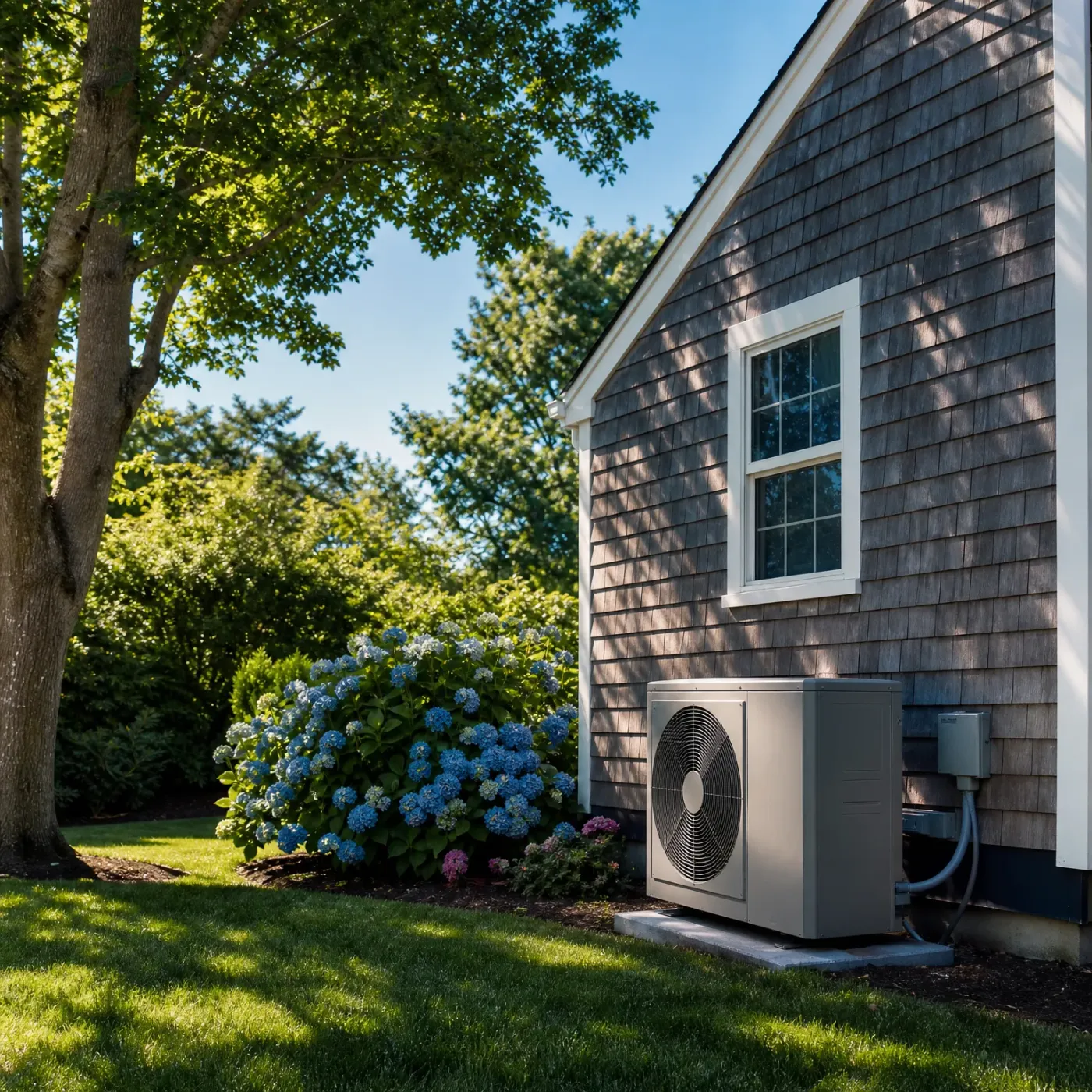
2 months of cooling, July through August
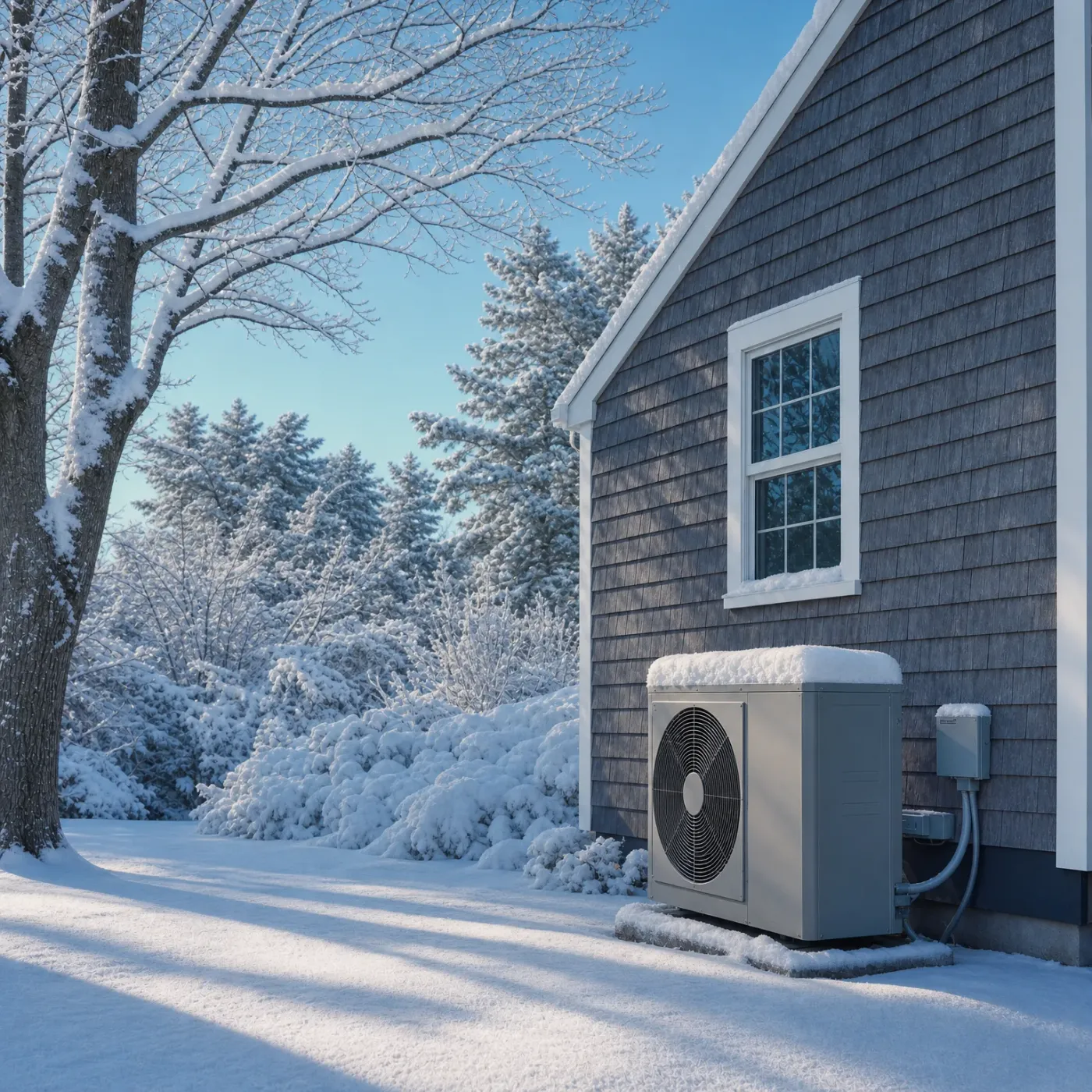
8 months of heat, October through May
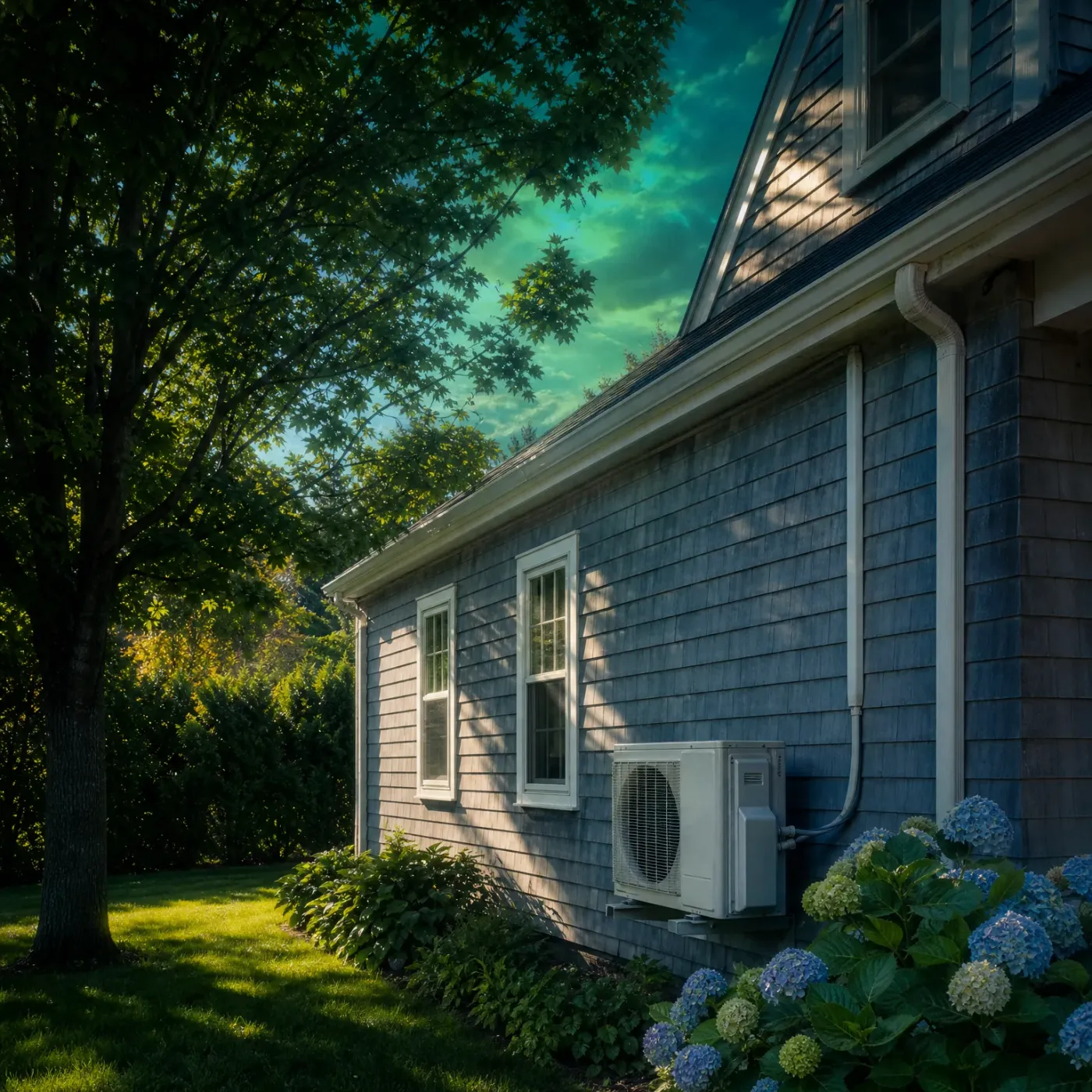
Massachusetts doesn't ask the same thing of a mini split everywhere. Homes across the eastern counties need about 10% more cooling over a year than homes across the western counties, so the same unit works harder on one side of the state than the other.
Middlesex County sees the hottest summer afternoons in the state, averaging 81°F across June, July and August. Nantucket County sits at the other end, at 74°F. Where most of the state's households actually live, the average is 80°F, close to Middlesex and well above Nantucket.
Statewide, summer afternoons run cooler here than in 37 of the other 49 states, and cooling only runs July and August, fewer months than in 34 of the other 49 states. A mini split sized for a Middlesex County summer is doing more work than one sized for a Nantucket County summer, even in a state that doesn't ask much of a cooling system compared to most of the country.
None of this changes what the system needs to be built for. A mini split sized to the room and rated for New England winters handles a Middlesex summer or a mild Nantucket one the same way, because it's matched to the specific space, not to a statewide average.
What does a mini split in Massachusetts face?
How hot do summer afternoons get?
80°Faverage afternoon high where people live
Alaska66°F
Arizona101°F
How cold do winter nights get?
21°Faverage overnight low where people live
North Dakota4°F
Hawaii65°F
How many months does the cooling run?
2 monthsof cooling a year
Alaska0 months
Hawaii12 months
What does electricity cost?
29.35¢per kWh (kilowatt hours, the unit on an electric bill), what homes paid in 2024
North Dakota11.51¢
Hawaii42.86¢
How often do storms hit?
450severe weather events per county from 2015 to 2024
Alaska5
Wyoming1,057
How many homes lost power for a day or more?
10%of homes in 2024
Arizona7%
Maine54%
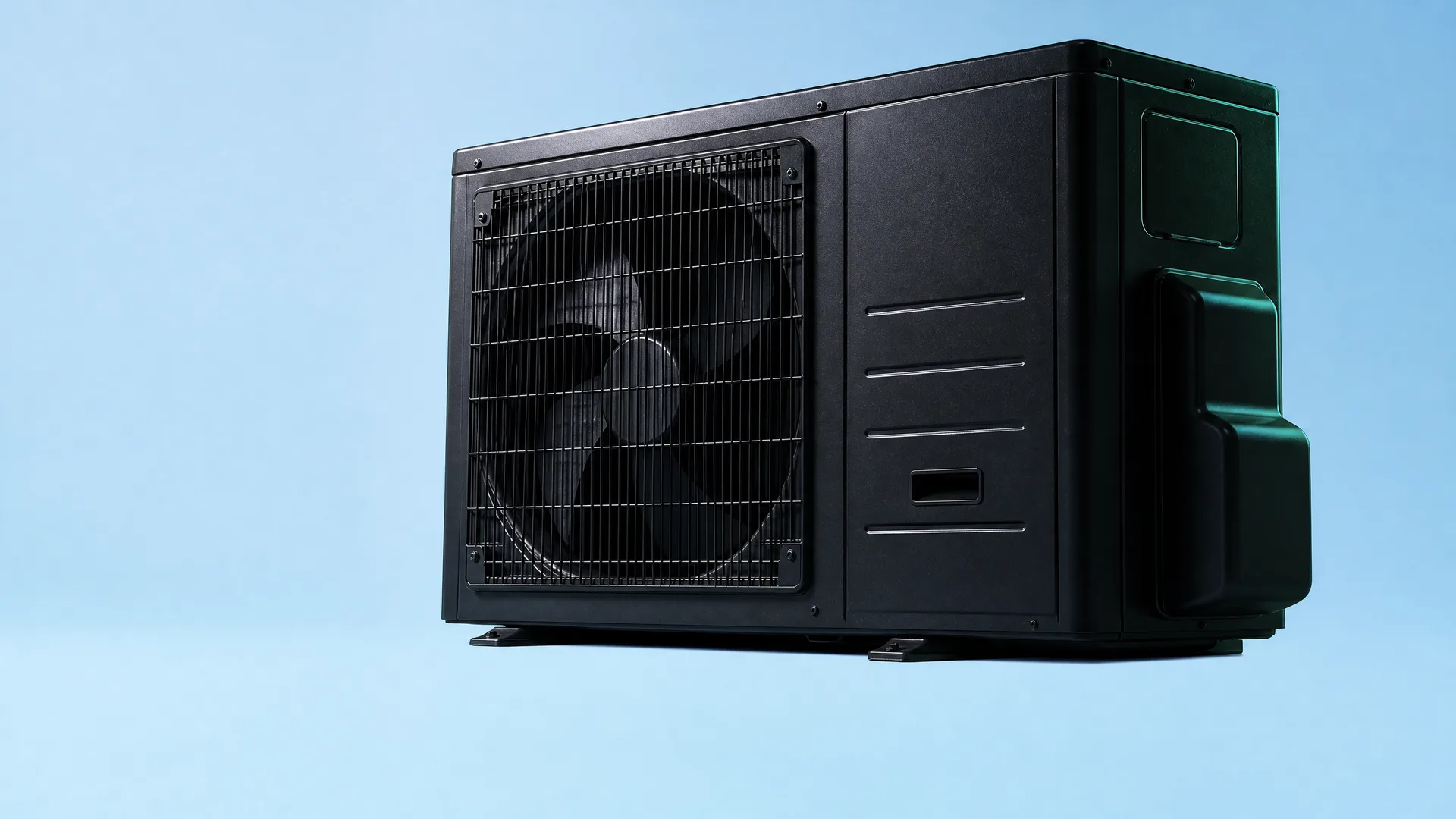
A standard mini split is sized for this
Two months of real cooling a year is not much to ask of a system. July and August, afternoons averaging 80°F where most people live. That's a normal load for a standard mini split, nothing about it calls for a bigger unit or a higher-end one. Winters here are long and cold, and a mini split rated for New England handles that without needing extra capacity. What matters more than the size of the unit is how it's installed, the line set run, the placement of the indoor head, the refrigerant charge. Get that right and a standard system does the job in July the same way it does the rest of the year.
What installation day looks like
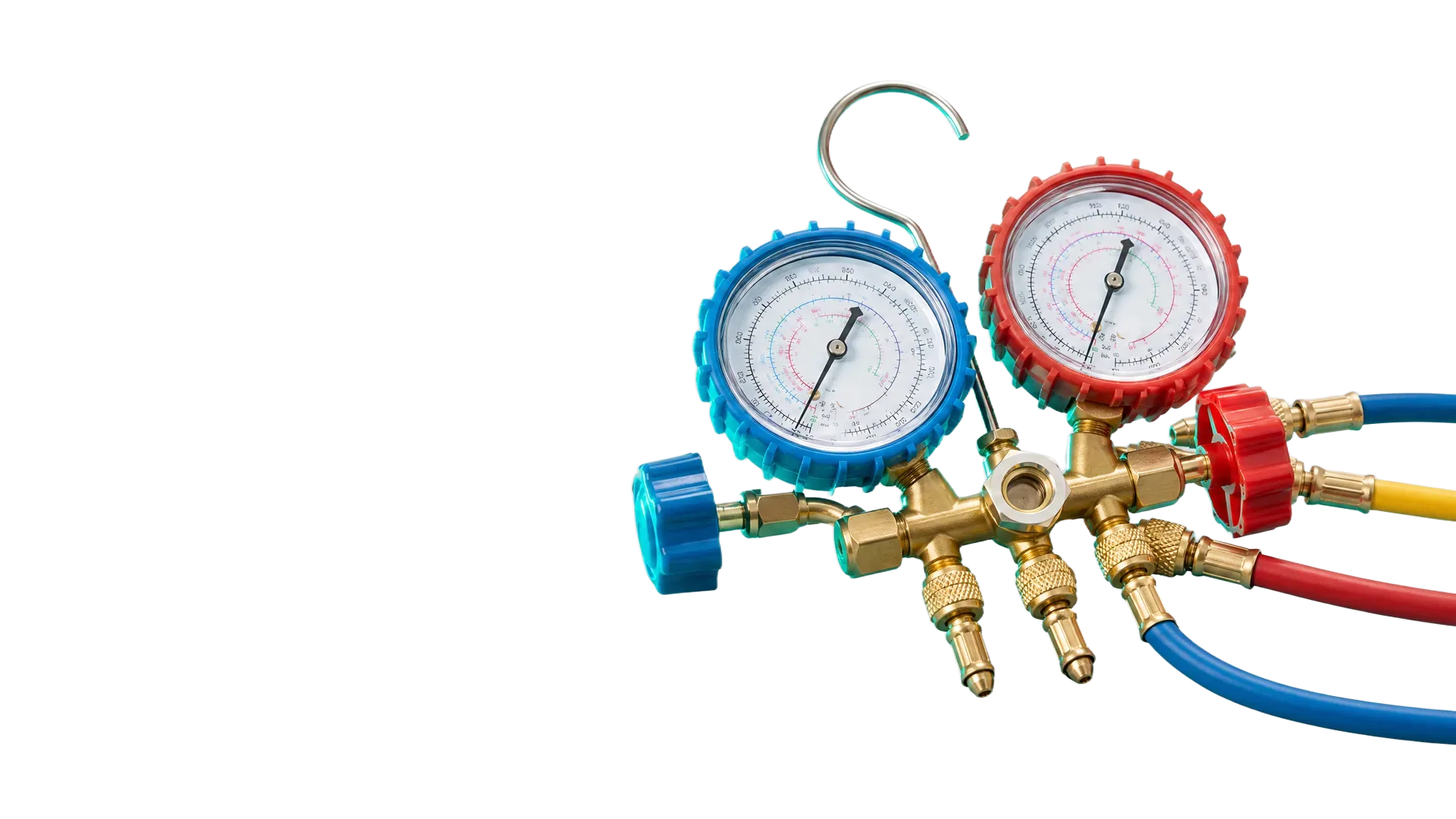
A mini split installation starts with a survey, not a drill. The installer walks the room, figures out where the indoor head can go without blowing straight at a couch or a bed, and checks where the line set can reach the outdoor unit. That path matters, every bend in the line affects how the system runs later. Mounting the heads is the fast part. Most of the day goes into running the line set, the wiring, and the drain line through the wall and sealing around them so no air or water gets in. Before anything is powered on, the line set gets pressure tested for leaks, then the installer pulls a vacuum on it to clear out moisture and air, since either one left behind causes problems down the road. Refrigerant gets weighed in to match the length of the line set, not just filled to a gauge reading. The day ends with a walkthrough, setting the thermostat or remote, showing where the filter is and how to pull it, and running the system through both heating and cooling before the installer leaves.
What heats this house already
Most of Massachusetts heats with gas, just over half of all homes. Gas furnaces and boilers do the winter heating, so a mini split going into a gas home is almost always there for cooling, sometimes paired with the existing furnace for shoulder season heat rather than replacing it. Fuel oil heats another sizable share of homes here, more than in most states, and those houses often don't have ductwork built around a central air system. That's one of the reasons mini splits fit well here, they don't need the duct runs a central AC would. Electric heat is less common, under a fifth of homes, but where it's already there a mini split can take over both heating and cooling in the rooms it serves.
Electricity here costs more than in 47 other states, so a mini split's efficiency shows up on every bill.
Tell us about the job
Takes about a minute. No obligation.
Fill out the form and a licensed contractor in Massachusetts will reach out about the job.