
Furnace Installation in Massachusetts
Homes in Massachusetts are older than in 47 of the other 49 states.
Tell us about the job
Takes about a minute. No obligation.
- 21°Fwinter overnight low where people live
- 8 monthsof heat, October through May
- $21.27 per million Btuwhat homes paid for natural gas in 2024 (Btu means British thermal units, a measure of heat)
- 621winter storms from 2015 to 2024
Gas heat costs more here Efficiency shows up on every bill
- Coldest nights in Berkshire County, mildest in Nantucket County
- Winter nights average 21°F where people live
- Heat runs October through May
- 621 winter storms from 2015 to 2024
- Climate zone 5A across the state
- 10% of homes lost power a day or more in 2024

Older homes need the right fit
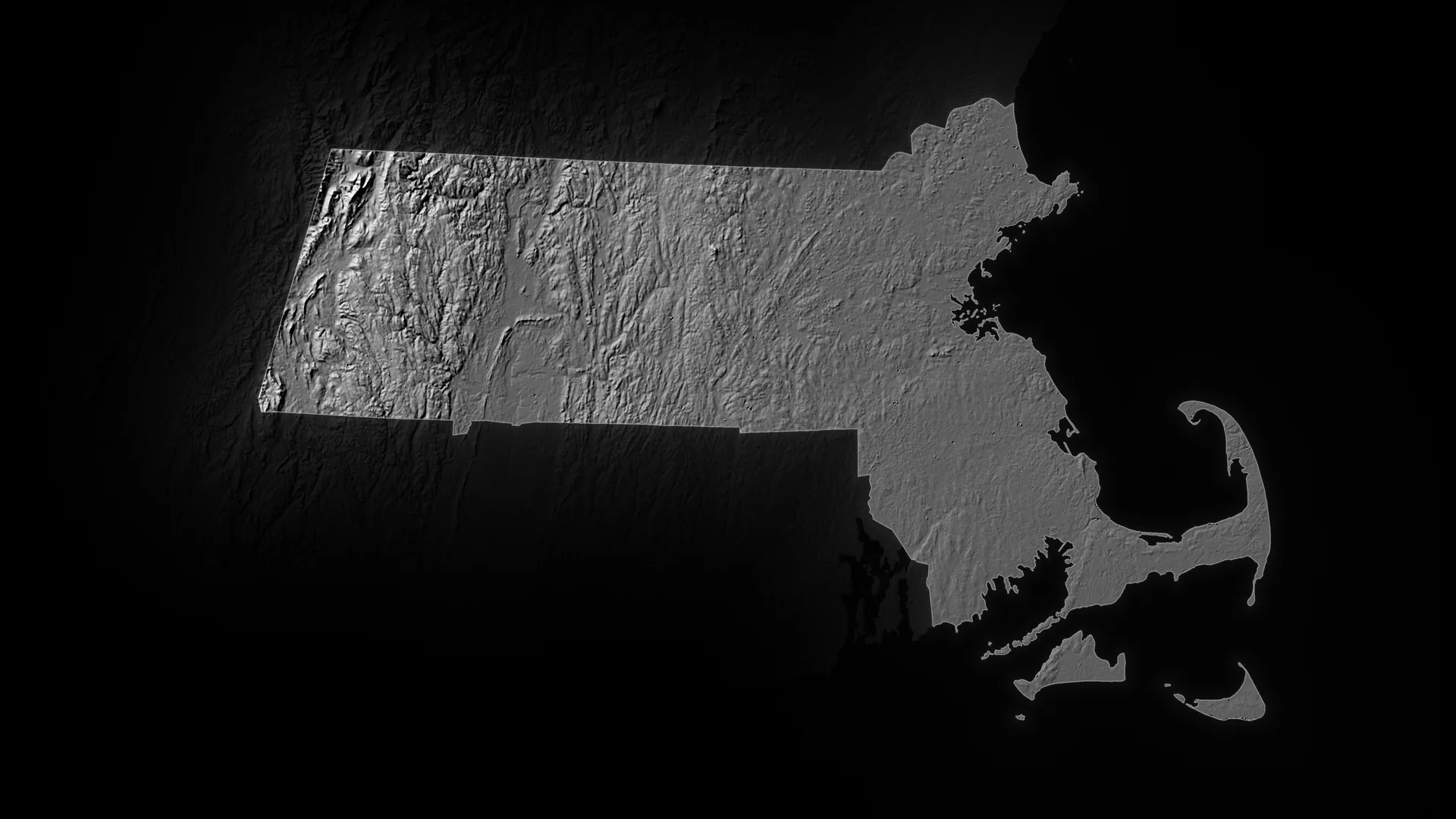
Half the homes in Massachusetts were built in 1964 or earlier. If your furnace is original to the house or close to it, the ductwork and the space around it were sized for an older system. A new furnace going into that same spot has to work with what's already there. Most homes in the state are single-family houses, so this is the install most contractors are doing. Matching new equipment to an old layout, not building the layout around new equipment.
Gas heats just over half the homes in Massachusetts, more than any other fuel. That's why most furnace installs here are gas furnaces going into homes already set up for gas, with a gas line already run to the house and often a flue already in place. If your current furnace runs on gas, replacing it with another gas furnace is usually the straightforward path, since the fuel supply and venting are already sorted.
Oil heats close to a quarter of homes here, more than in most states. If that's your setup, a new furnace still needs to work with the oil tank and supply line already there, or a contractor can walk you through switching to gas if the line reaches your house. Electric heat is less common, under one in five homes, and usually means a furnace paired with electric resistance or a heat pump setup rather than a gas-fired system.
Put it in before October
Furnace season in Massachusetts runs from October through May, about eight months a year. That's longer than 22 other states deal with. September is the one month it isn't running and isn't about to be, which makes it the month to put in a new one. Do it then and the install happens on a normal schedule, with time to get the ductwork fit right against the old layout. Wait until the first cold snap and you're making that same decision with the house already cold and a contractor already stretched thin.


2 months of cooling, July through August
8 months of heat, October through May
Berkshire County gets the coldest nights in the state, averaging 16°F across December, January and February. Nantucket County stays mildest, at 28°F. A furnace sized for one won't make sense for the other.
Where most of the state's households actually live, the overnight low averages 21°F across those same months. That's closer to the Berkshire number than the Nantucket one, even though it hides how much colder the western part of the state runs.
Homes across the western counties need about 8% more heat over a year than homes in the east. Narrow it further and the gap grows. Berkshire County homes need about 33% more heat over a year than homes in Dukes County, the lowest in the state. Two homes the same size, same age, same furnace, and one is working a third harder just because of where in Massachusetts it sits.
None of this is about the coast or the hills or anything else that might explain it. The facts just say Berkshire runs colder and needs more heat, and Dukes runs milder and needs less. What matters for an install is matching the furnace to which end of that range your house falls on.
Winter is also when the state gets hit. Snow, ice and blizzards affected Massachusetts 621 times between 2015 and 2024. A furnace that fails mid-storm is a different problem than one that fails on a mild October evening, worth planning for rather than finding out during the next one.
What does a furnace in Massachusetts face?
How cold do winter nights get?
21°Faverage overnight low where people live
North Dakota4°F
Hawaii65°F
How many months does the heat run?
8 monthsof heating a year
Hawaii0 months
Alaska12 months
What does natural gas cost?
$21.27per million Btu, what homes paid in 2024
Montana$7.77
Hawaii$53.25
How often do storms hit?
450severe weather events per county from 2015 to 2024
Alaska5
Wyoming1,057
How many homes lost power for a day or more?
10%of homes in 2024
Arizona7%
Maine54%
Built for a long winter, not a mild one
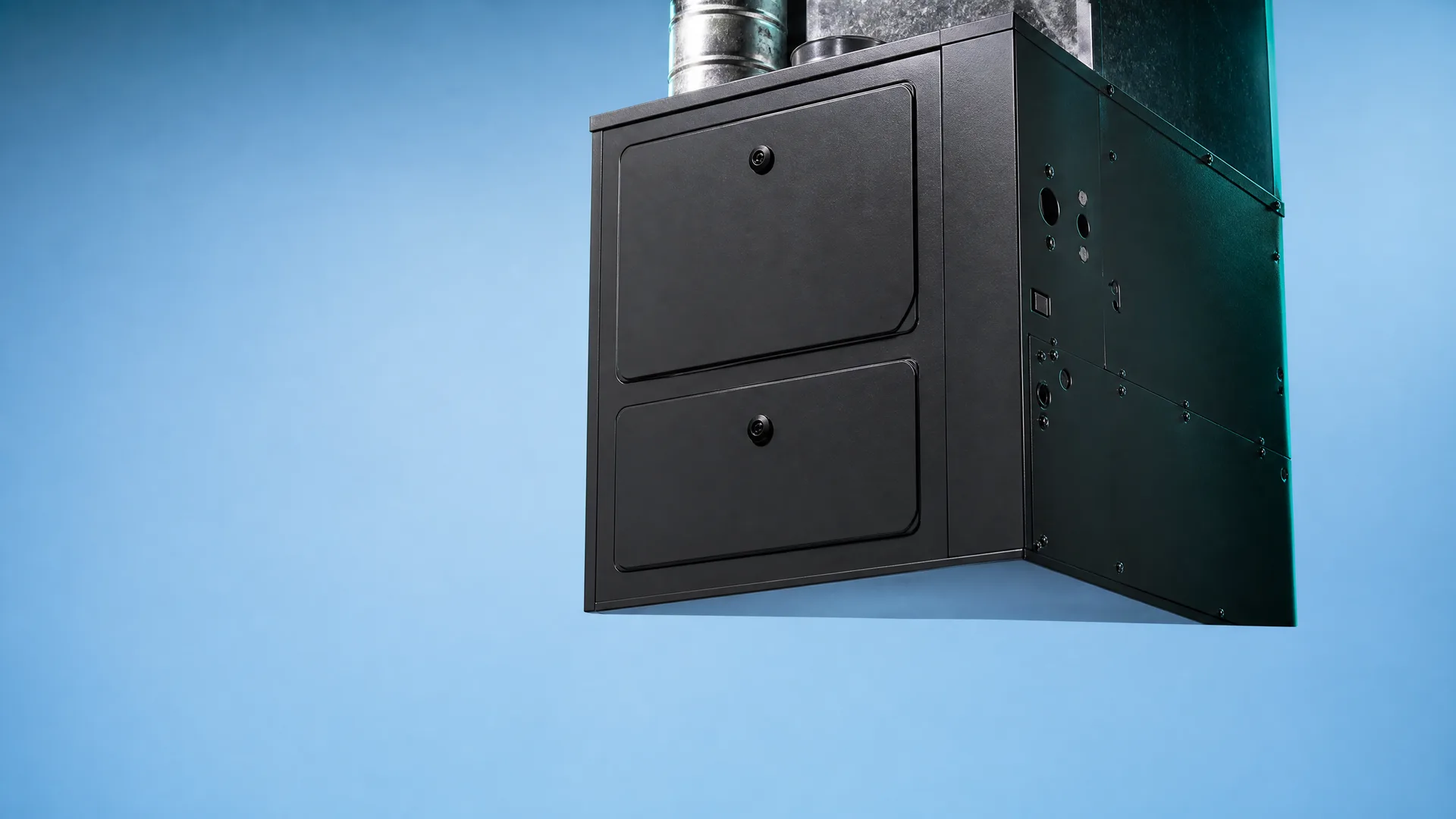
Eight months of heat a year means a furnace here runs from the first cold snap in October straight through to spring, with little break to recover from the work. Nights averaging 21°F across December, January and February keep it running near full output for long stretches, not just cycling on for an hour at a time. That kind of steady demand is what separates a furnace sized right from one that's just close enough. Undersize it and it runs constantly trying to keep up. Oversize it and it short cycles, turning on and off more than it should and wearing the parts that handle ignition and airflow. Either way shows up sooner here than somewhere with a shorter season.
What changes the price
A furnace install is labor and equipment, and both depend on what's already there. A furnace that sits in the same spot, vents the same way, and ties into ductwork that still fits its blower is a shorter job than one where the vent pipe has to move or the ductwork needs rework. Bigger units sometimes need a larger gas line too. The furnace itself varies with output and efficiency. A high-efficiency furnace condenses its exhaust and needs a drain and a different intake and vent setup than a standard furnace uses, and that's added parts and labor a straight swap doesn't carry. Modulating and variable-speed furnaces cost more than single-stage ones, and sometimes call for a different thermostat. Ductwork is often the real variable. If it's undersized or leaky, or wasn't built for the airflow the new furnace is rated to move, that has to get sorted before the furnace can do its job, and it's work separate from the furnace itself. None of this shows up in a number until someone's looked at the house.
Storms don't change what furnace you need
Massachusetts sees more severe weather than almost any other state, and most of it is winter storms. Snow, ice and blizzards hit 621 times here between 2015 and 2024, more than tornadoes, hail, lightning and tropical storms combined. None of that changes the furnace a given house needs. A furnace sized to the home and its heat load handles a storm the same way it handles any other cold night. What matters is that it keeps running when the power flickers, not that it's bigger or fancier than the house calls for. Sizing up because the state gets rough weather doesn't make a furnace hold up better in a storm. It just means more short cycling on the mild nights in between.
Gas here costs $21.27 per million Btu, and the furnace you choose decides what every bill looks like.
Tell us about the job
Takes about a minute. No obligation.
Answer a few questions about your house and hear from contractors who install furnaces in Massachusetts.