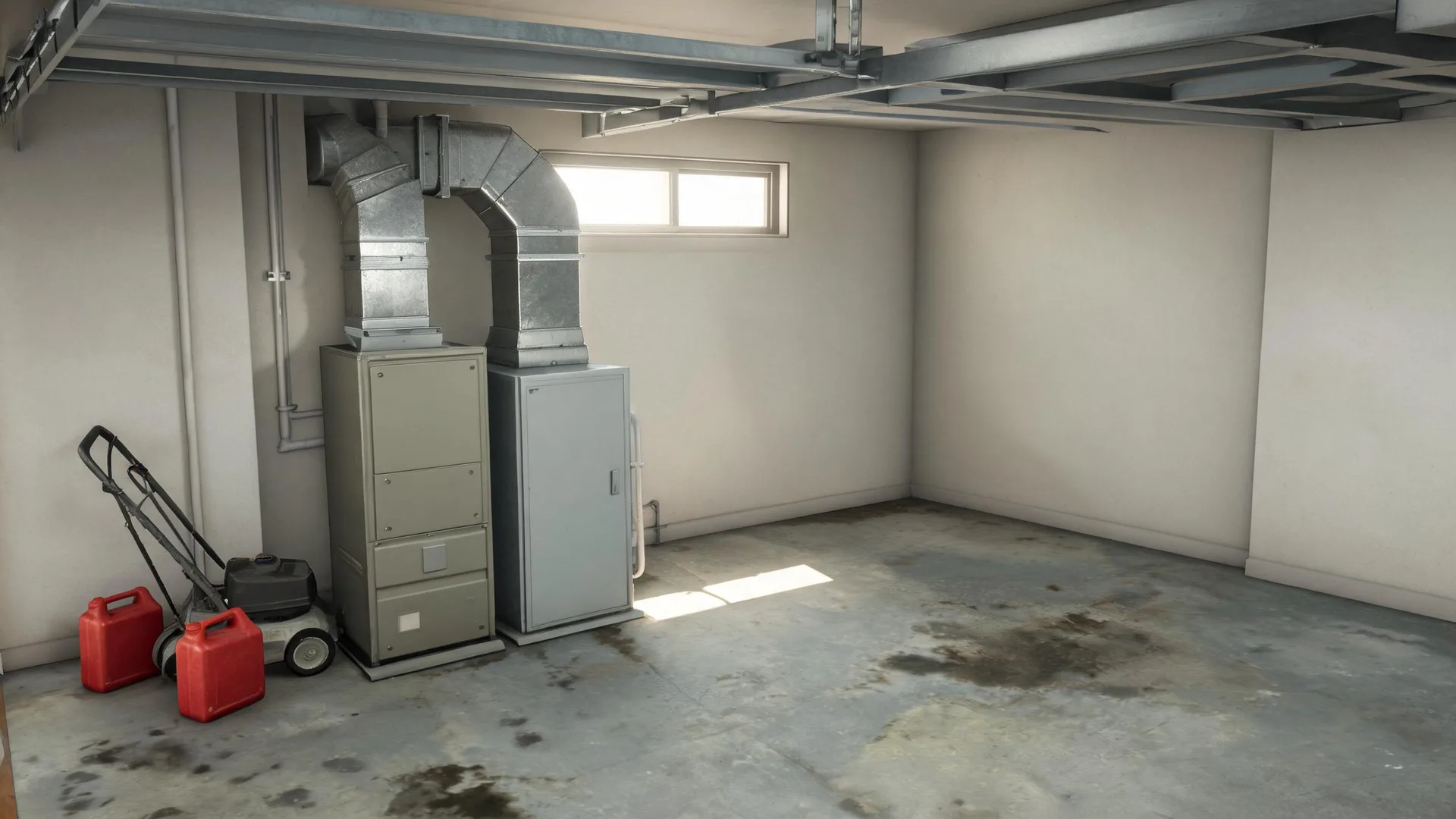
Oil costs more to burn here
Fuel oil ran $23.29 per million Btu in Massachusetts in 2024. A furnace that wastes heat up the flue is burning that oil for nothing.
Takes about a minute. No obligation.
Fuel oil ran $23.29 per million Btu in Massachusetts in 2024. A furnace that wastes heat up the flue is burning that oil for nothing.
At that price per Btu, the difference between a furnace that runs well and one that doesn't shows up on every delivery. Worth asking an installer what efficiency rating fits your house before you pick a unit.
NOAA nClimDiv, 1991–2020 normals
Furnaces in Worcester County start running in October and go through May.
Have a new furnace in by September, so the install happens on your schedule and not during the first cold week.




Oil heats more homes in Worcester County than any other fuel, 37.9% of them. Gas is second at 32.4%, and most of the rest run on electricity or propane. If your old furnace burned oil, chances are good the tank, lines and venting are already set up for it, and a new oil furnace drops into that same setup. Switching fuels means changing more than the furnace, new venting in some cases, a gas line run to the mechanical room, maybe a propane tank set outside. An installer can tell you what your house already has and what it would take to change it.
Worcester County sees its share of severe weather, 71 winter storms and 427 damaging wind events in the past ten years. None of that changes what furnace fits your house. A properly sized, properly rated system handles what this county sees without upgrading past what the house needs.
Find a contractor
This system runs from October to May most years. That's long enough for a weak install to show itself, a hot spot upstairs, a cold room over the garage, a cycle that runs too often because the unit's too small or too big for the house. Get the sizing and the ductwork right at install, not after the first cold snap finds the problem for you.
A contractor works out how fast your house loses heat room by room, based on wall area, window area, insulation and ceiling height, then adds it up to a number the furnace has to match. Matching the furnace you're replacing just repeats whatever mistake was made the first time, and a lot of old installs were sized off a rule of thumb instead of a real calculation.
An oversized furnace heats the house fast, shuts off, and starts again a short while later. That short cycling wears the igniter and blower motor faster and leaves the air colder near the floor since the blower never runs long enough to even out the rooms. A furnace sized right runs longer, steadier cycles and holds the temperature instead of chasing it.
The old furnace doesn't just get unhooked and hauled off. A contractor disconnects the gas line or oil line, pulls the venting, and removes the unit along with anything tied to it that won't serve the new system, like an old thermostat or a section of duct that doesn't match up. If it's a gas furnace, the gas line gets capped or reused. If it's oil, the line from the tank gets dealt with the same way, and the tank itself stays unless you're switching fuels. Old furnaces have metals worth recycling, and most installers haul the unit away as part of the job rather than leaving it for you to deal with. The one thing worth asking ahead of time is what happens to the venting the old furnace used, since a new high efficiency furnace vents differently and the old flue may not get reused at all.
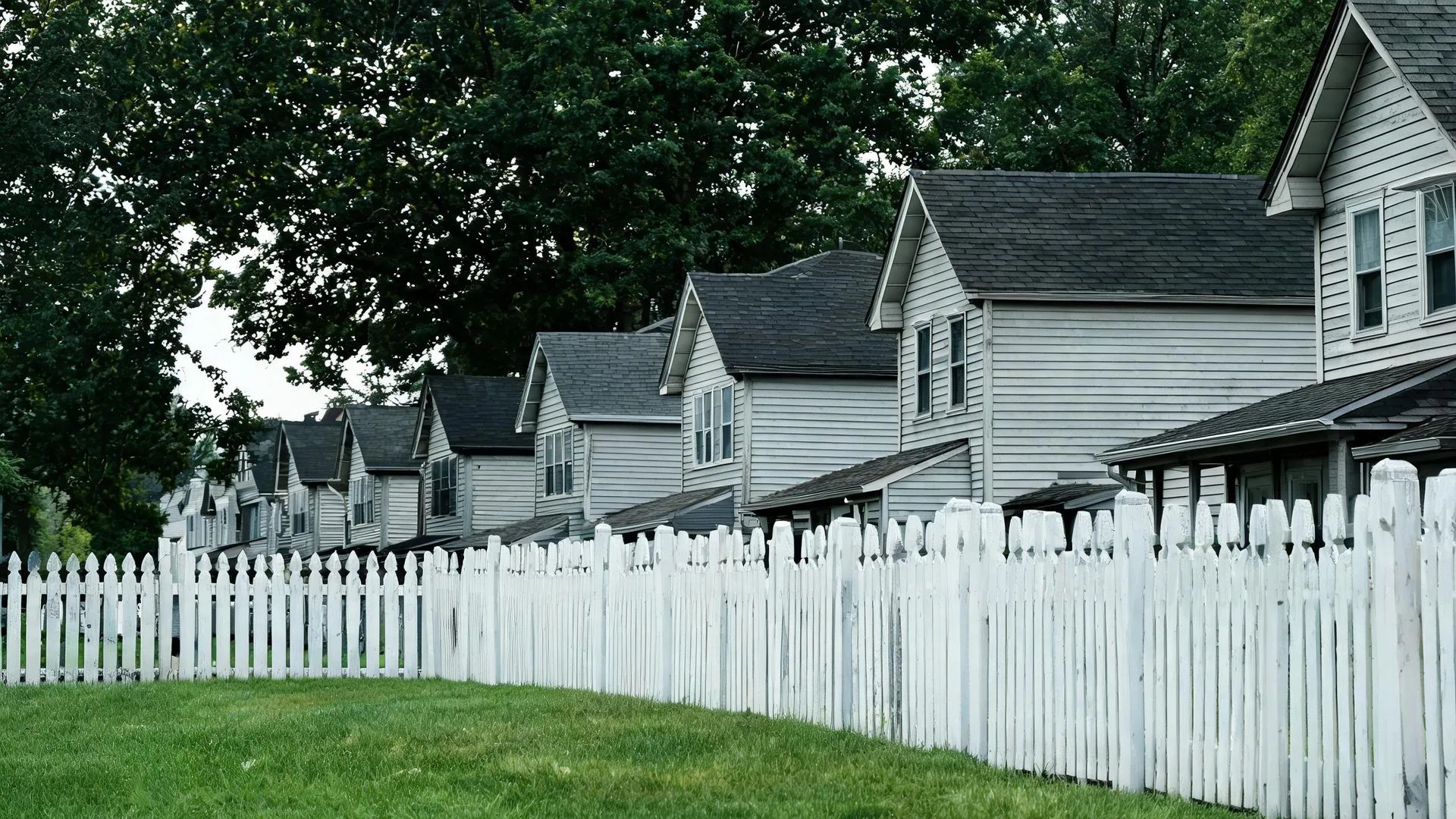
Install day starts with the old furnace coming out and ends with the new one running a full cycle before the crew leaves. In between, a lot happens that has nothing to do with the furnace itself. The gas or oil line gets connected and checked for leaks. The venting gets run, and if the new furnace is high efficiency, that means new PVC pipe through a wall or roof rather than reusing the old metal flue. The ductwork gets tied in, and any transition pieces get built to match the new unit's dimensions to the old trunk line. Electrical gets hooked up, the thermostat gets set, and the system gets fired up and tested through at least one full heating cycle so the contractor can check the temperature rise and airflow before calling it done.