A boiler pro near you
Is it time to replace an oil boiler in Massachusetts
An oil boiler that's getting old or costing more to run every winter raises the same question for a lot of Massachusetts homeowners: fix it again or put in something new. This page walks through the signs that matter, from fuel use to age to repair history, so you can see where yours stands. If it looks like replacement time, you can get matched with a local contractor who works on heating systems like yours all winter and will reach out directly.
Get my matchAn oil boiler is usually worth replacing once it's past 15 to 20 years old, needs a repair that costs close to what a new system would, or your oil use has crept up while the heat it puts out feels weaker. Boilers lose efficiency as the heat exchanger scales up and the burner stops firing as cleanly as it used to, so you end up paying more oil for the same warmth. In Massachusetts that shows up fast, because a boiler here runs hard from late fall through early spring, and a unit losing efficiency burns through fuel over a long heating stretch. If you're calling for a repair most winters now, or this season's bill ran higher than last year's for no clear reason, the boiler is telling you something. A newer system, especially one that doesn't depend on oil deliveries, holds its efficiency instead of losing a little more each year.


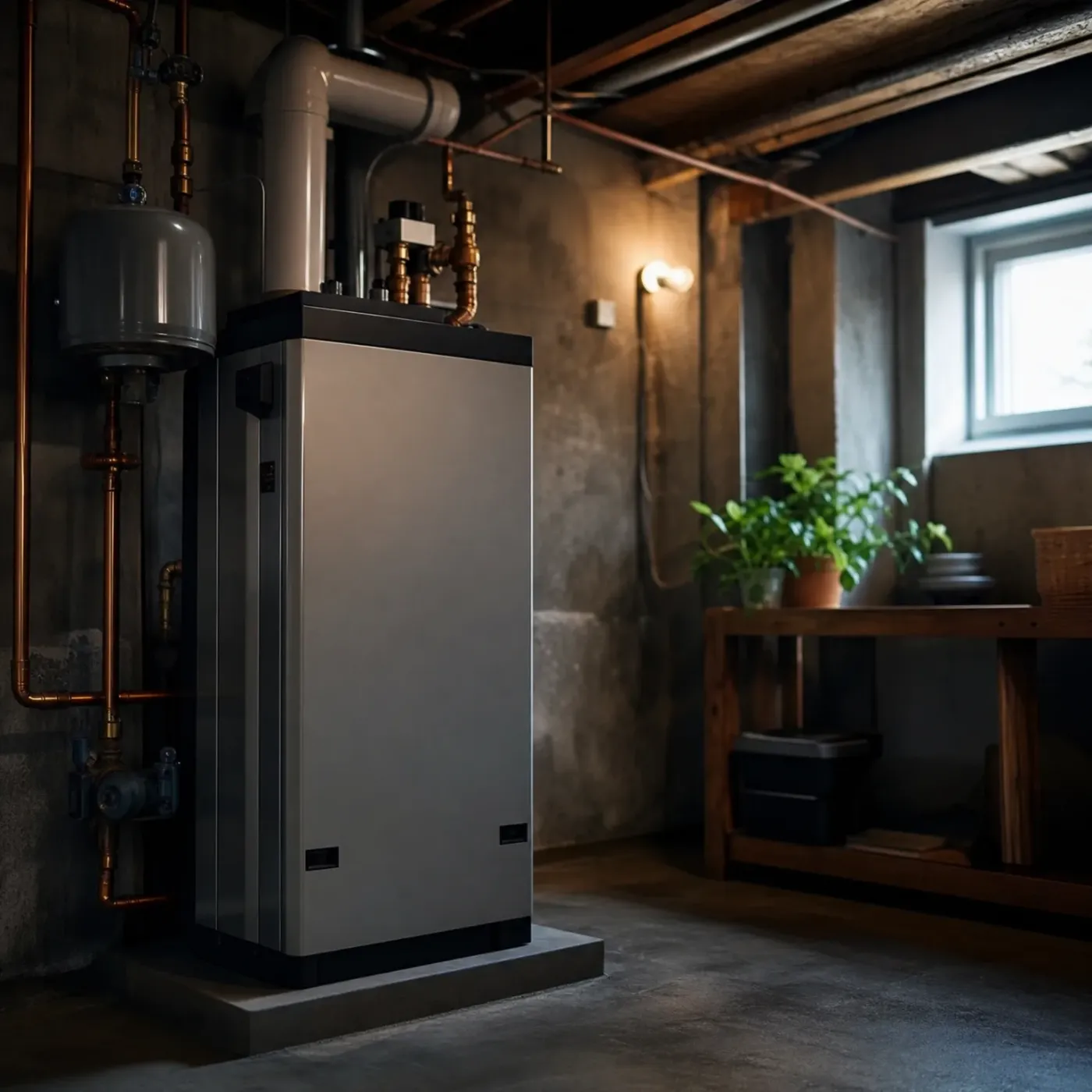
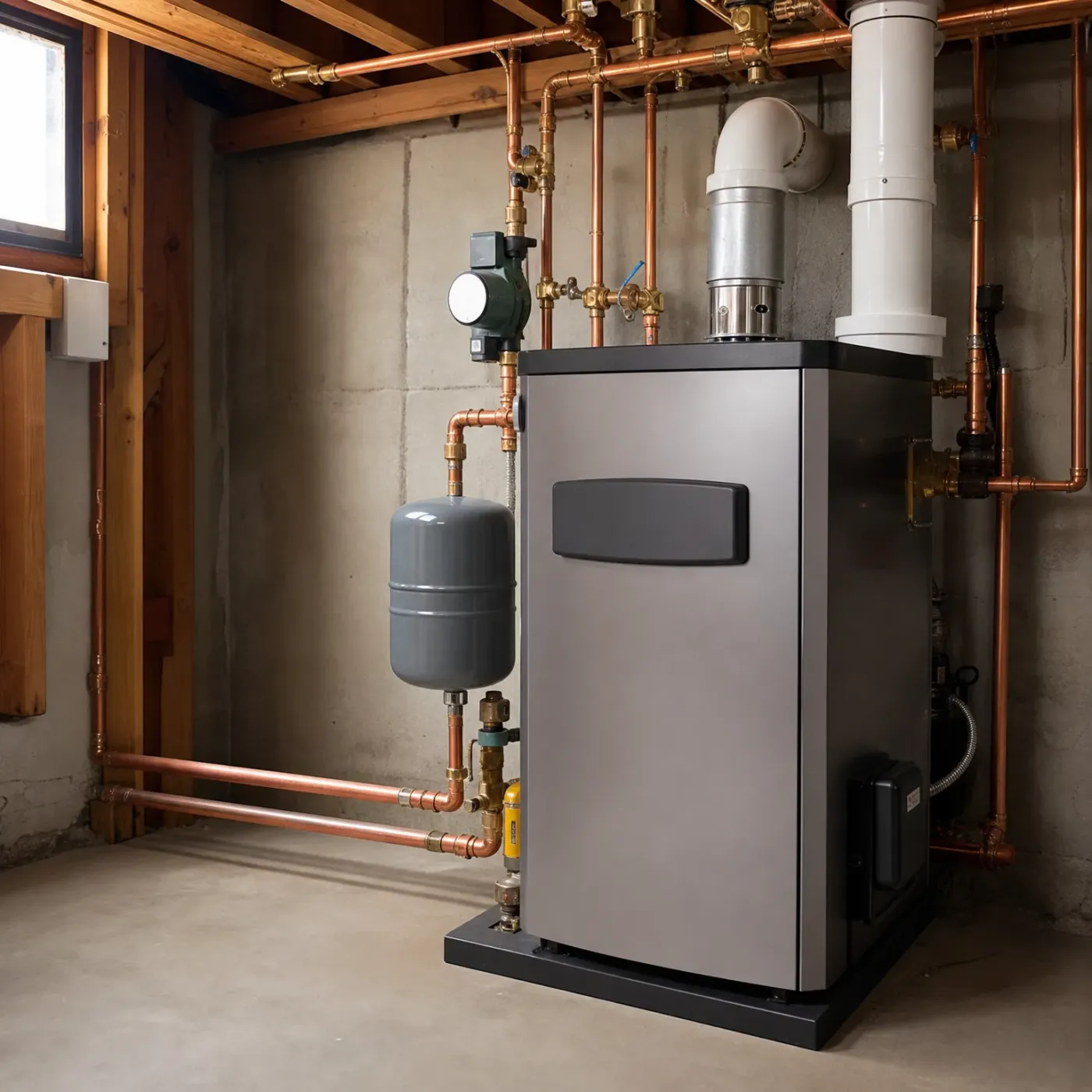
An oil boiler works by heating water in a sealed tank, then sending it out to radiators or baseboard and drawing it back to be heated again. Nothing about that changes as the boiler ages, but what happens inside it does. Soot collects on the heat exchanger surfaces and gets in the way of heat moving into the water, so the burner has to run longer to make the same heat. The nozzle that sprays the oil before ignition wears down and starts spraying unevenly, which means the oil doesn't burn as completely as it should. The aquastat, which tells the burner when to fire based on water temperature, can drift out of calibration over the years and cause the boiler to short cycle or run past when it needs to. During a tune up, a technician checks the stack temperature and the smoke number, which show how much heat is escaping up the flue instead of staying in your home. None of this stops the boiler from heating the house. It just costs more oil to get there, which is usually the first thing a homeowner notices, long before anything actually breaks down.
How an Oil Boiler Loses Efficiency
- An oil boiler heats water in a sealed tank and pushes it through pipes to radiators or baseboard, then draws it back to be reheated.
- Soot builds up on the heat exchanger surfaces over time, and that layer slows the transfer of heat into the water, forcing the burner to run longer for the same result.
- The nozzle that atomizes the oil before it ignites wears down gradually, and a worn nozzle sprays an uneven pattern that burns less completely.
- An aquastat controls when the burner fires by reading the water temperature, and if it drifts out of calibration the boiler can short cycle or run longer than it needs to.
- Technicians check the stack temperature and the smoke number during a tune up to see how cleanly the oil is burning and how much heat is escaping up the flue instead of into your home.
- A boiler that's lost efficiency to scale or soot still heats the house, which is why a rising oil bill is often the first sign something inside has changed, not a sudden breakdown.




A local pro for your boiler installation
Your request stays with one local pro.
A local installer who puts in boilers gets your project.
There's no charge for the request.
Repair the Boiler or Replace It
Keep Repairing
- A cracked circulator pump or a new aquastat runs far less than a new boiler, so if that's the whole problem, fixing it makes sense.
- If the boiler is under 15 years old and this is its first real breakdown, one repair doesn't mean another is coming soon.
- A boiler that's kept the heat even and the oil use steady year to year is doing its job, even if a part failed once.
- Replacing a boiler means draining the system and reconnecting the near-boiler piping, which adds to the work even on a straightforward swap.
Replace It
- Once a boiler is past 15 to 20 years old, the heat exchanger has usually scaled up enough that no repair brings back the efficiency it had new.
- If oil deliveries are coming more often for the same winter, that's the boiler losing ground, not the weather changing.
- A repair quoted near the price of a new install is a sign the boiler is at the point where patching it further doesn't pay off.
- Massachusetts winters run hard on a boiler for months, and a weak one has to run longer to hold the same temperature, burning more oil to do it.
- A new boiler comes with a warranty that an aging one, held together with repairs, no longer has.
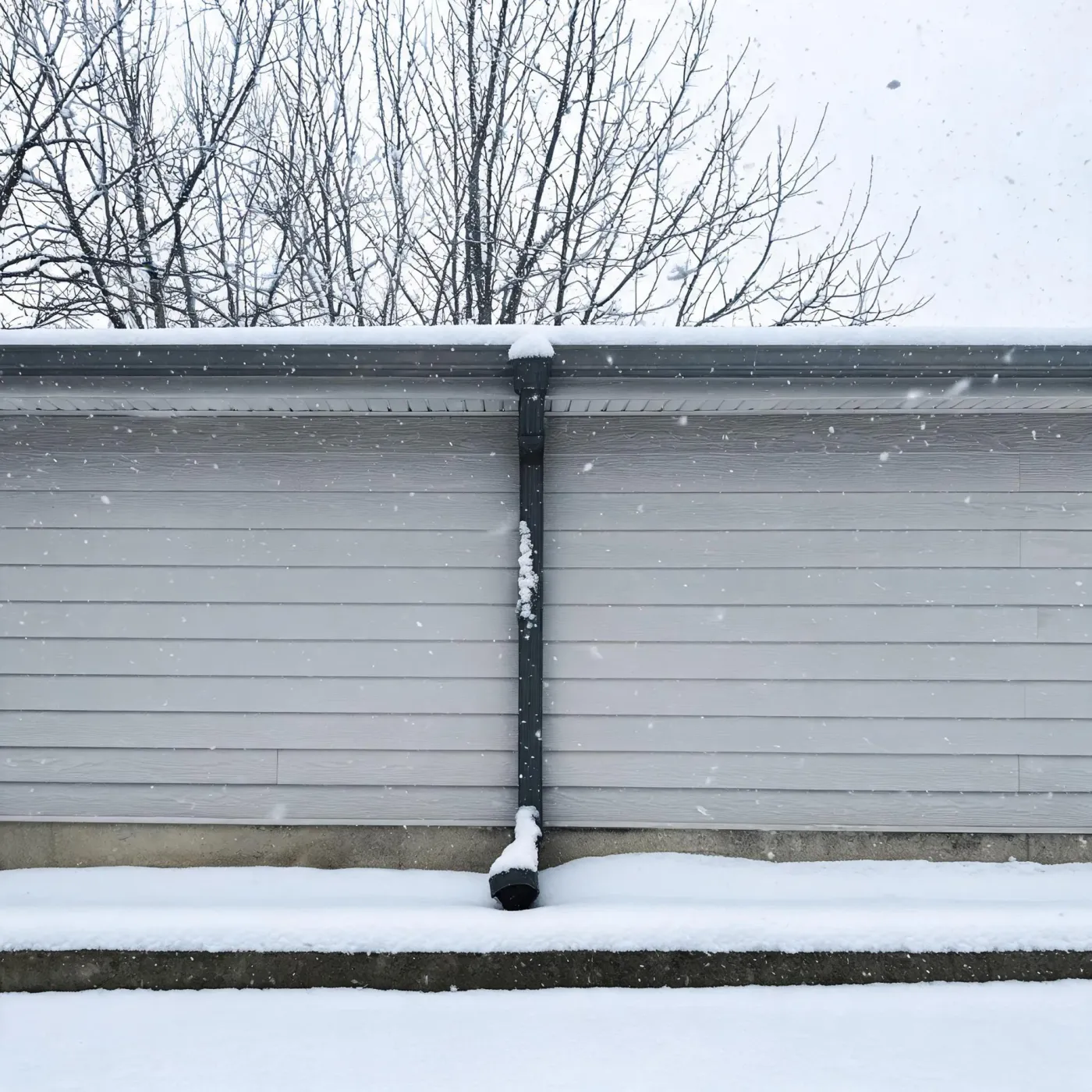
Winter nights average 21°F statewide, according to NOAA climate data. At that temperature your boiler is running long cycles most of the night to keep up, not the short bursts it fires off in October or March. An old heat exchanger already struggling with scale has less margin on a night that cold, so it runs longer still to hold the same room temperature. That's when a weak circulator or a failing aquastat tends to show itself, and it's also when you'll notice rooms that used to feel warm by morning staying cooler than they should.
NOAA nClimDiv 1991-2020 county normals weighted by homes

An old oil boiler tells you where it stands
By now you know what to look for: the age on the nameplate, what the last repair cost, whether the oil bill has been climbing while the house feels less warm for it. If two or three of those line up, replacing it is the sounder call. If the boiler is still young and this was one isolated repair, fixing it is the right move, and there's no reason to rush past that.
Either way, the next step is knowing who to call. A plumbing and heating contractor who works on oil boilers around Massachusetts every winter has seen this exact model fail before and knows what a straight job looks like versus what gets complicated once the jacket comes off. Answer a few questions about your boiler and you'll be matched with one contractor local to you, not a list of five competing for the job, and that contractor will reach out directly to look at what you've got.


Boiler Installation
Get the right pro for your boiler

- Get in touch with a local installer about a new boiler.
- Describe your boiler job, and a local pro who handles it gets in touch.

- Send the form and stop researching installers for the new boiler.
- One request ends the search for a boiler installer.

- Skip the round of in-home estimates for a new boiler.
- Describe the project once instead of to every installer.

- One installer gets your project, so there's no bidding war over it.
- The pro who reaches out is licensed in Massachusetts.