

Running clean
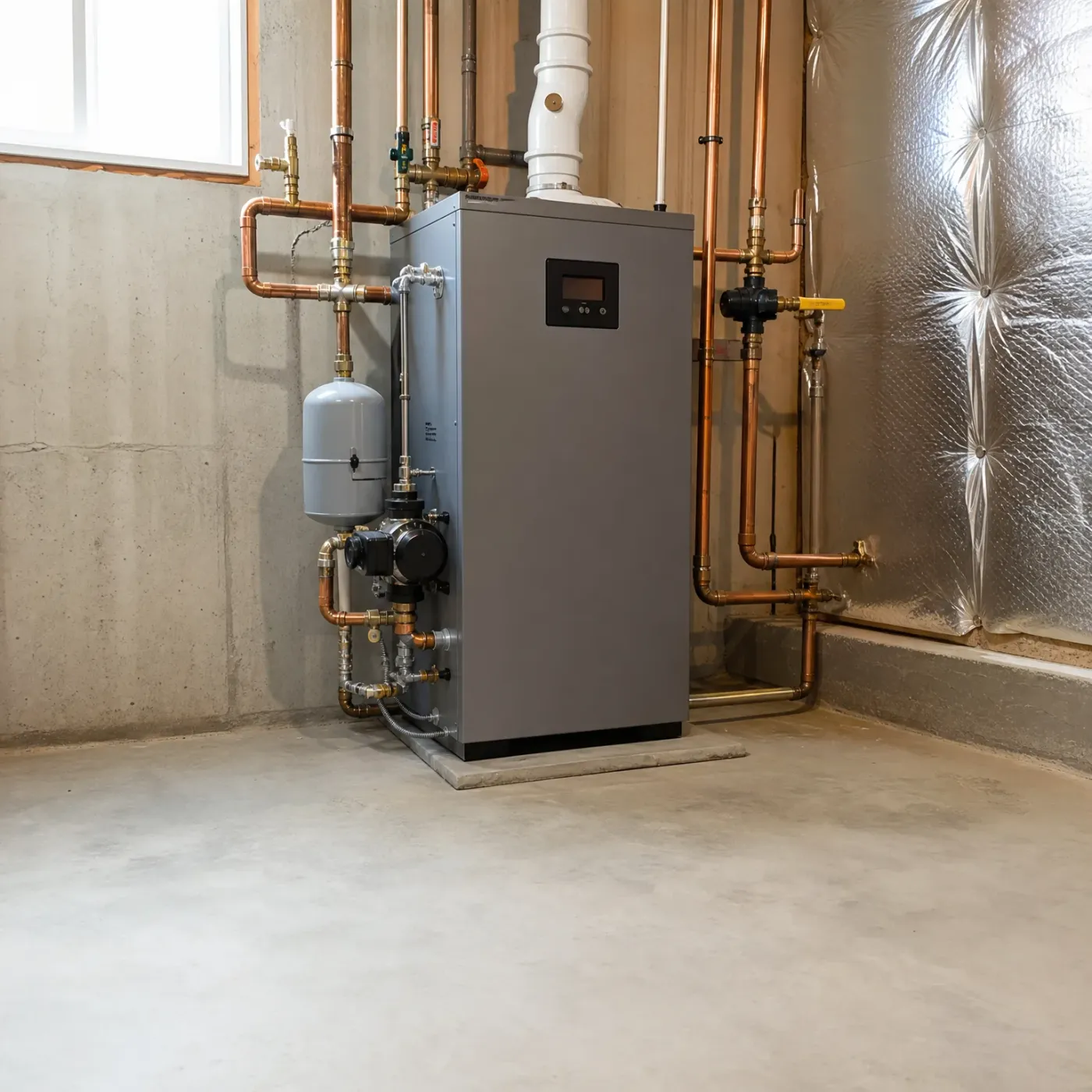
Copper pipes and brass fittings connect to the circulation pump and expansion tank without a drip anywhere. The flue vents through white PVC. No oil smell means no oil is leaking onto a hot surface or pooling where it shouldn't.
Tell a local repair pro what your boiler is doing.
Request a proAn oil smell near your boiler is unsettling, especially when you're trying to keep the house warm and everyone in it comfortable. It's not a smell you want hanging around, and you want to know fast whether it's something minor or something that needs attention before the next cold stretch.
If your boiler runs on oil, a faint smell for a minute or two when it first fires is ordinary. The burner is igniting a fine mist of oil, and a trace of unburned fuel escapes before combustion gets going. If the smell lingers past startup, or you notice it other times, something is off. A cracked or loose fitting on the oil line can leak small amounts that pool or soak into nearby insulation. A dirty or worn nozzle can cause incomplete combustion, which smells stronger and can give you a headache if you're near it long enough. Soot buildup from a bad burn holds the odor in the flue and around the unit even after it shuts off. Either way, it's worth having someone look at the burner and the oil line.
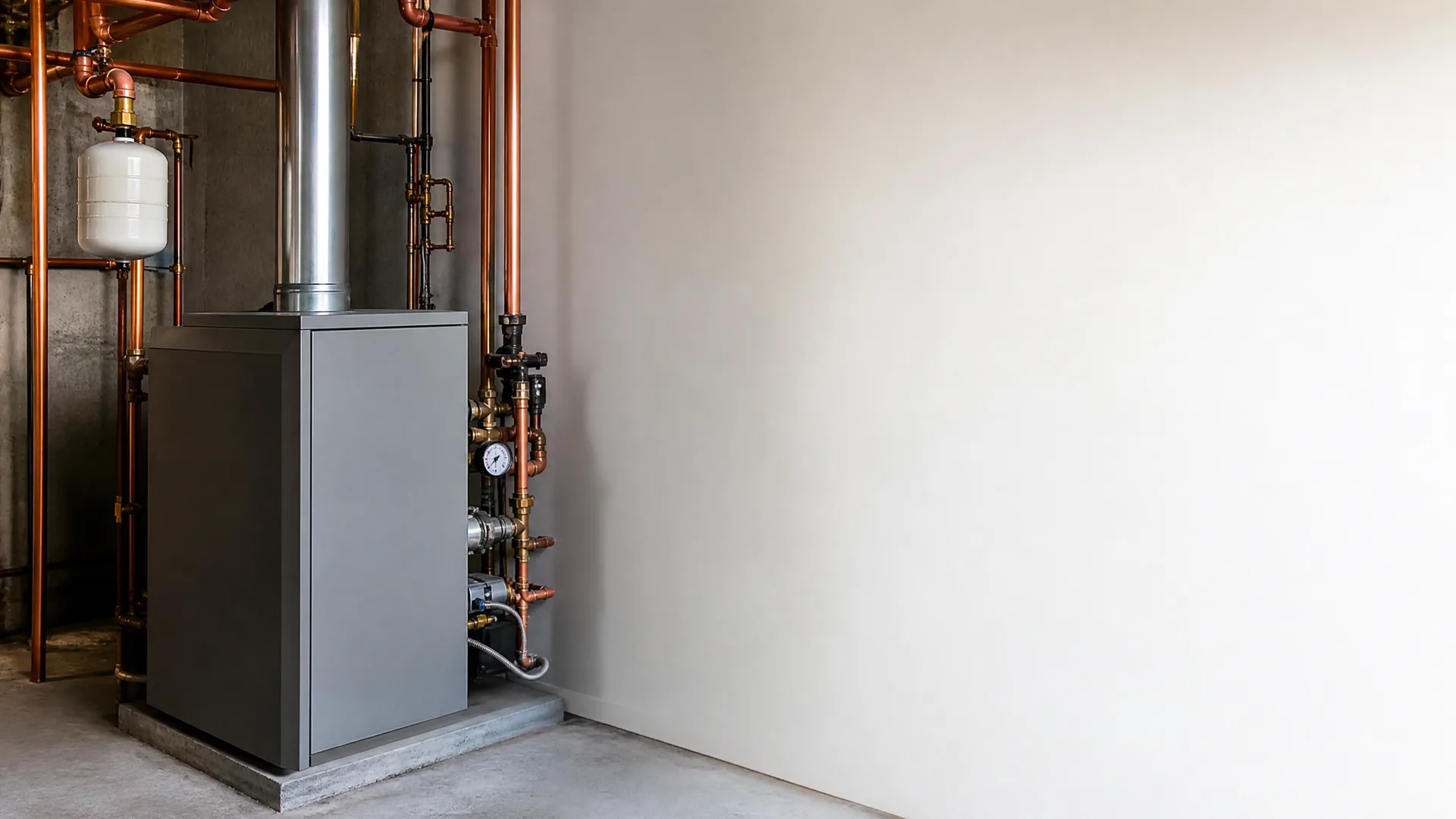
Most boilers in Massachusetts run on gas, but if yours burns oil, a faint smell right after it fires is normal. That's unburned oil igniting in the combustion chamber. A smell that lingers, or shows up when the boiler isn't running, usually means oil has leaked somewhere along the line, the nozzle, or the burner itself, and isn't being fully burned off.
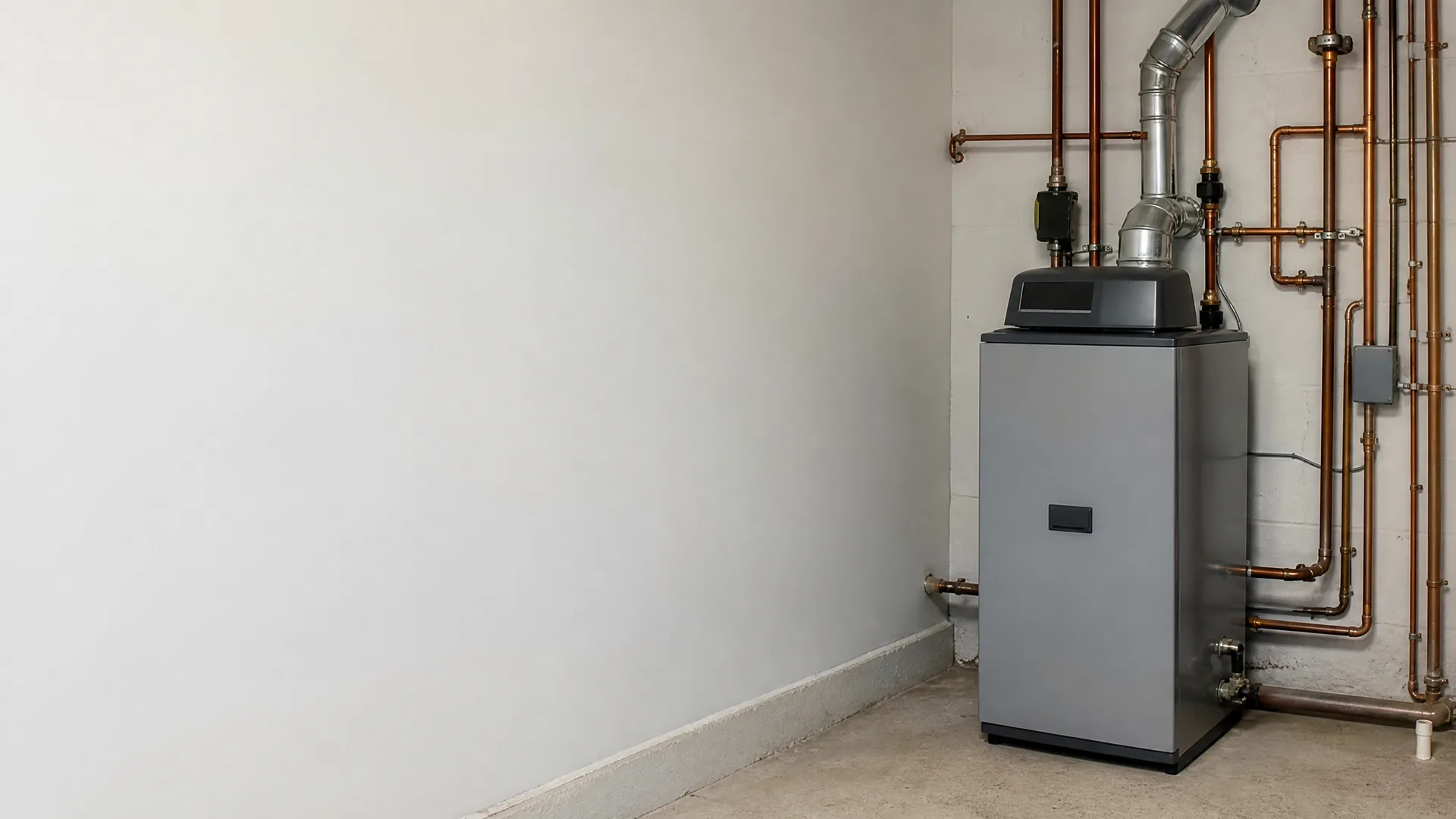
A strong or constant oil smell often points to a cracked heat exchanger, a dirty nozzle, or a loose fitting on the fuel line. None of these clear up on their own. A boiler that keeps smelling like oil after it shuts off is usually burning fuel incompletely, which wastes oil and can leave soot building up inside the flue.
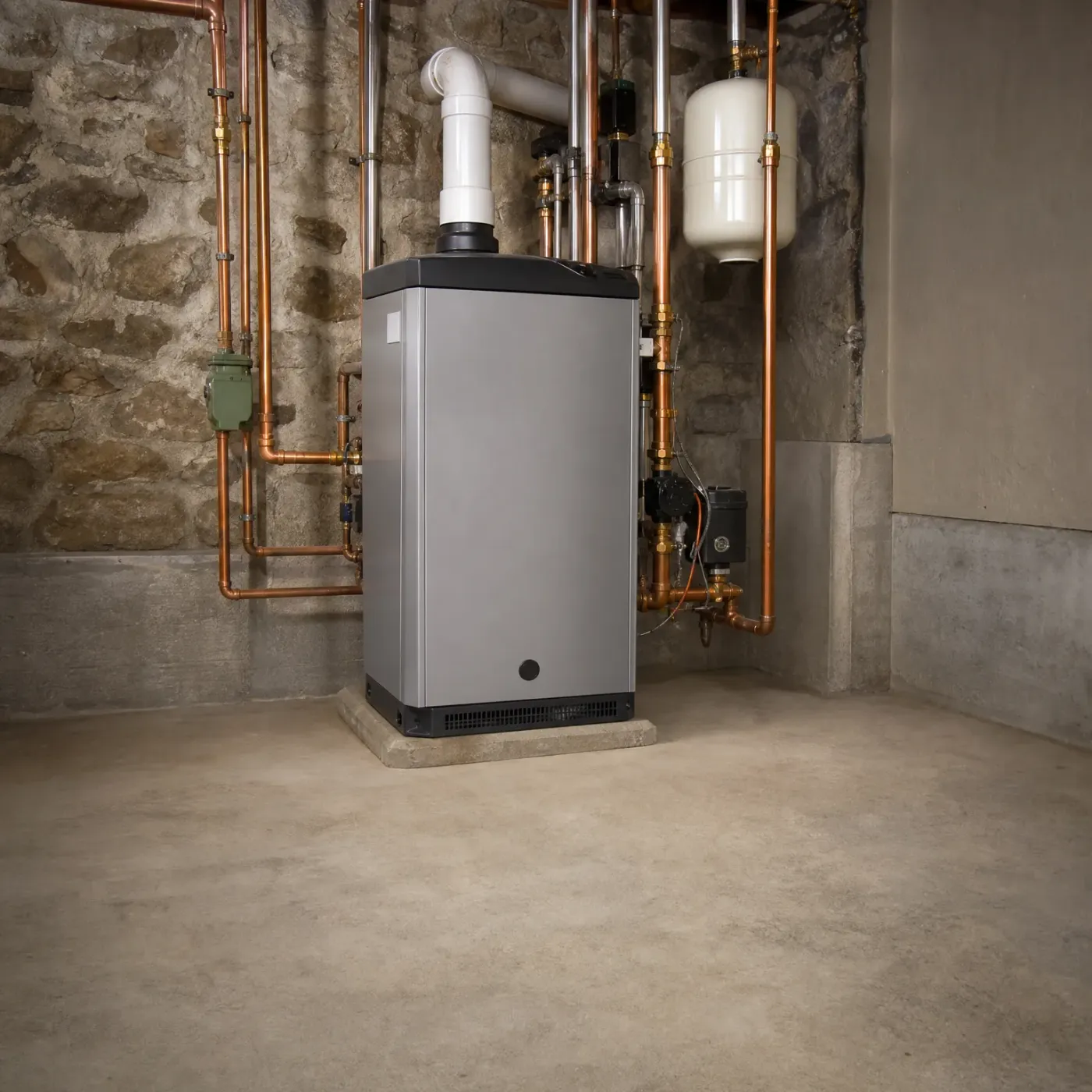
Copper pipes and brass fittings connect to the circulation pump and expansion tank without a drip anywhere. The flue vents through white PVC. No oil smell means no oil is leaking onto a hot surface or pooling where it shouldn't.
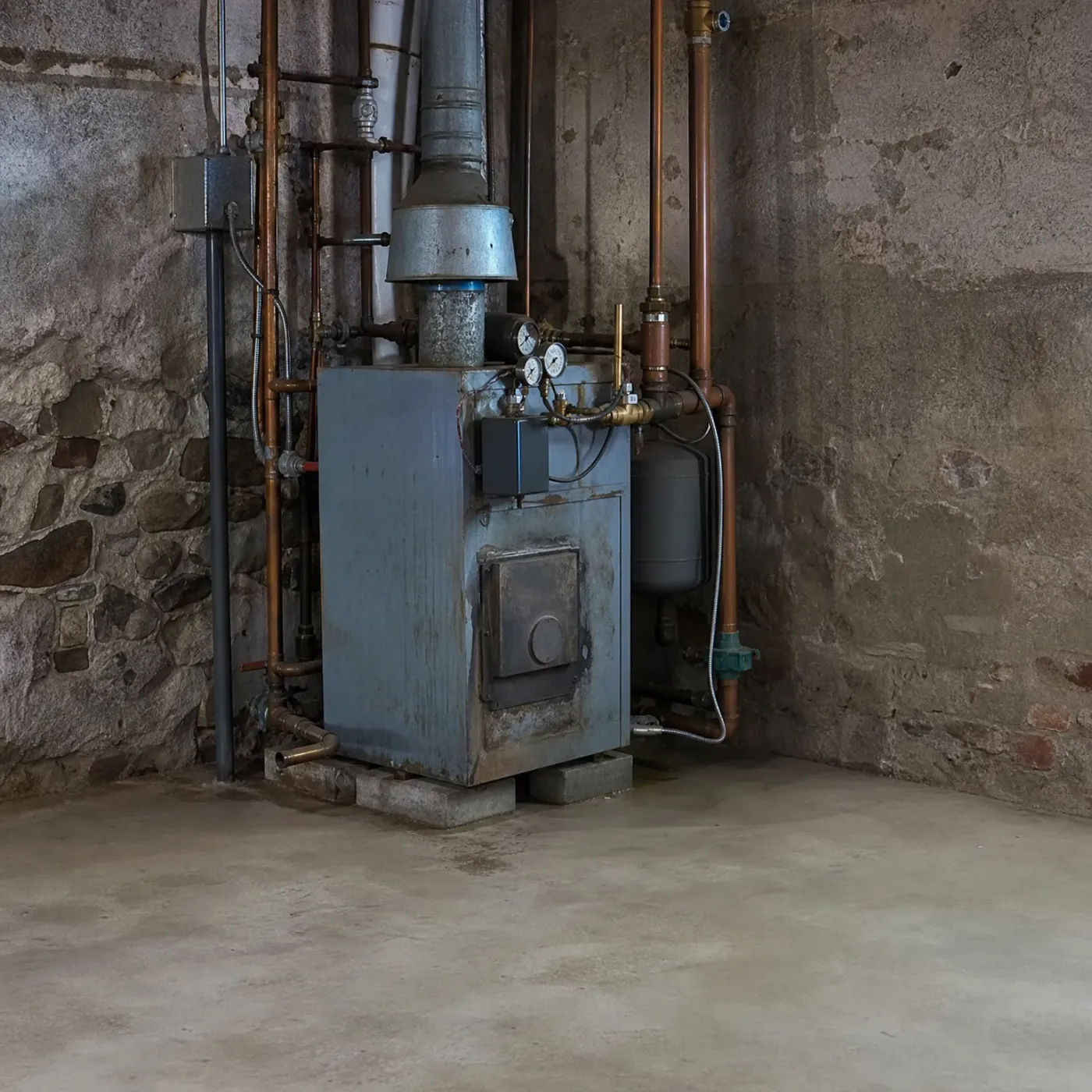
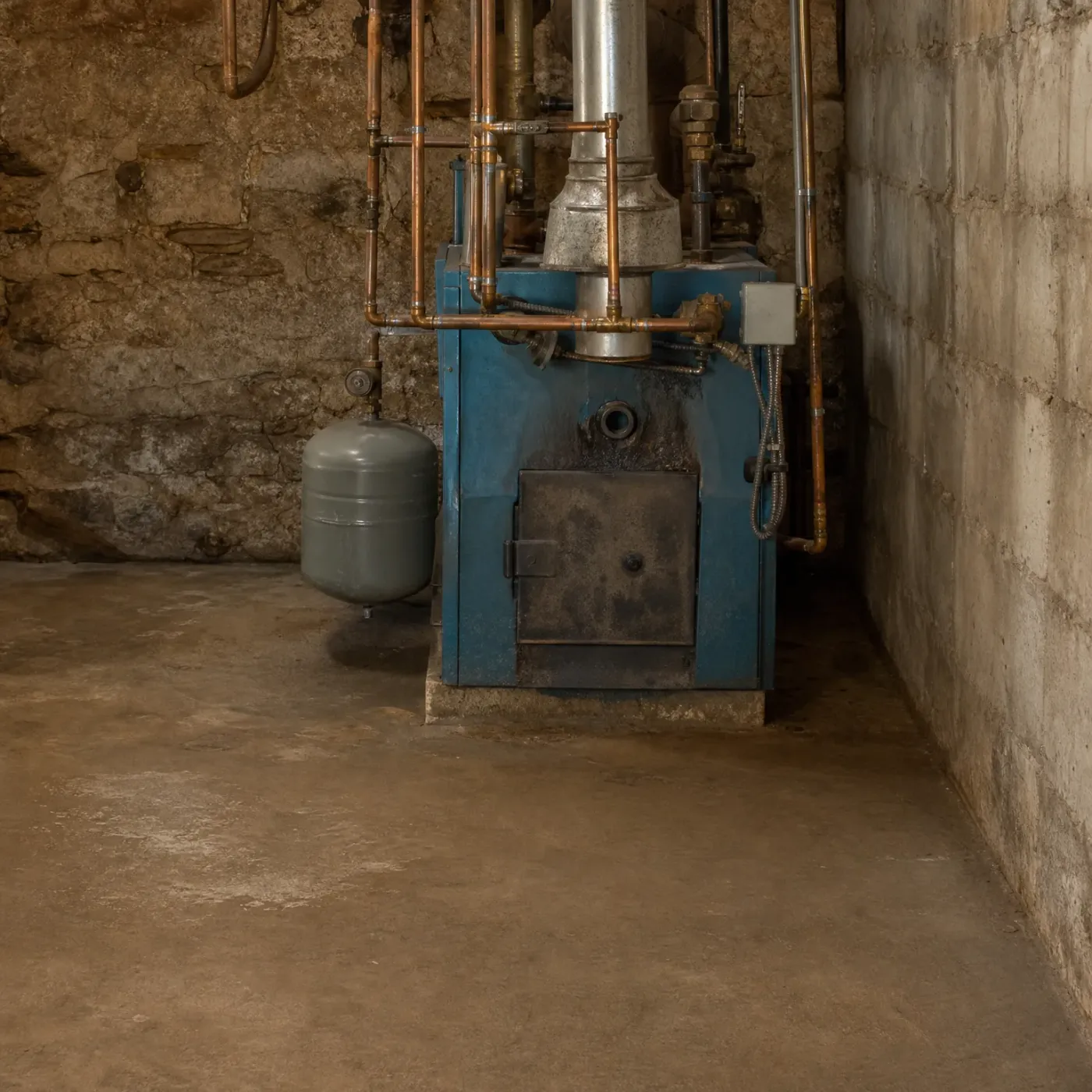
This older cast-iron boiler vents through a wide flue pipe, and the gauges and valves around it are where a leak tends to show first. Oil reaching the burner or a hot pipe is what puts that smell in the air, and it's worth having someone look before it gets worse.




A boiler that smells like oil past the first minute or two of running isn't something to sit with until spring. Oil pooling on a hot surface or dripping from a fitting won't fix itself, and most people can't tell a stuck valve from a cracked heat exchanger by smell alone. That's the part a licensed contractor sorts out, and getting one looking at it matters more in January than in July, when the boiler is the only thing standing between your family and a cold house. Massachusetts winters don't leave much room for a boiler to be down while you call around and compare quotes. Once you send the request, that search is off your plate, and the next call you get is from someone who already knows what you're dealing with. You don't have to figure out if it's serious. You just have to stop smelling it and start finding out.
The smell doesn't fix itself. If it's a leaking valve or a loose fitting, oil keeps finding the same hot surface and keeps burning off it, which means the smell keeps coming back every time the boiler fires. If it's soot building up on the heat exchanger, that gets worse with every cycle, not better. Massachusetts winters ask a lot of a boiler, and one that's already struggling to burn fuel cleanly in October has a long stretch ahead of it before spring.
A boiler burning oil inefficiently costs more to run the same radiators the same number of hours, and it may not heat the house as evenly while it does it. Rooms that used to warm up fine start lagging behind. With power rates in Massachusetts among the highest in the country, a boiler working harder than it should to make the same heat is not a small thing to let ride through a whole winter. The smell is the warning. The bill and the cold rooms are what show up after.


If the smell fades once the burner settles in and doesn't come back until the next time it fires, that's normal combustion, not a problem to chase down.
If it lingers past start-up, comes with soot, or you can smell oil in other rooms, a contractor needs to look at it before you run the boiler again.
On a December or January night, it's common for the temperature outside to settle near 21°F statewide, and your boiler is what's standing between that and a warm house. When it's running that hard for that long, an oil smell that keeps coming back isn't something to wait out.
NOAA nClimDiv 1991-2020 county normals weighted by homes
A quick whiff of oil when the burner kicks on is normal. One that lingers, comes back every cycle, or carries a hint of smoke is your boiler telling you something is wrong, and it won't stop telling you until someone fixes it. The valve or fitting that's leaking now will still be leaking next week, and the soot building up inside will still be building up. None of that gets better on its own, and with how cold Massachusetts nights get, this isn't a system you want guessing its way through winter. You don't have to figure out whether it's a cracked heat exchanger or a loose connection yourself. Send the form and a contractor who handles this takes it from here, matched to what you've described, so you're not the one calling around trying to find someone who can look at it. That part of the work is off your plate the moment you send it. Your job was noticing the smell. Finding the right person to deal with it is somebody else's job now.

The right pro for this job



