
Why your boiler is gurgling in Massachusetts
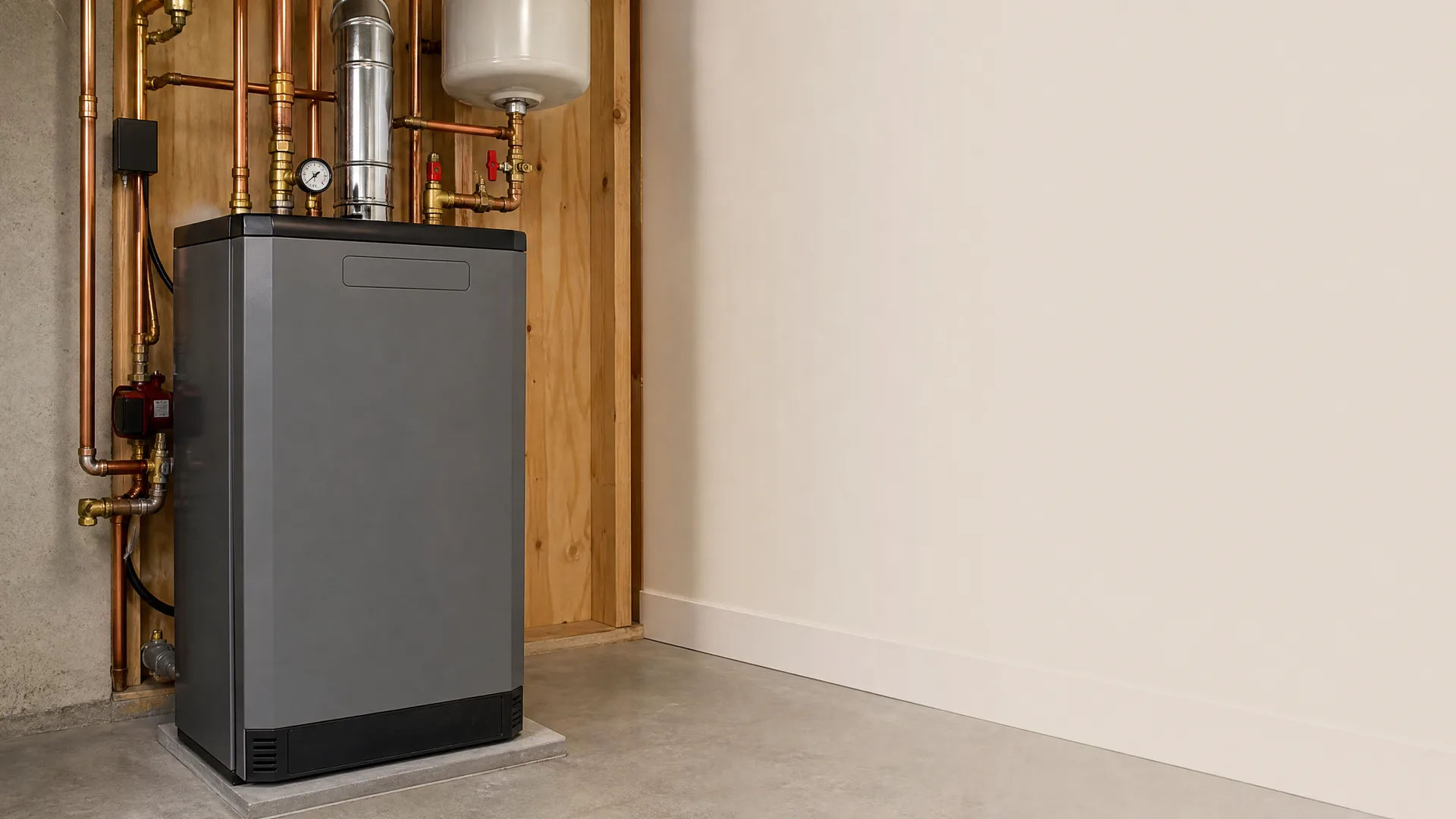
That gurgling is usually air trapped in the system, or water sitting where it shouldn't. Boilers push hot water through a closed loop, and if air gets into the lines, it bubbles through the radiators or the baseboards and you hear it as a gurgle or a knock. Low water pressure does the same thing, since the pump starts drawing in air instead of water. Sometimes it's a kettling boiler, where sludge or scale has built up inside the heat exchanger and steam pockets form and collapse inside it. With gas heat running hard through a Massachusetts winter, these systems cycle on and off for months, and that's when trapped air or a pressure drop tends to show up. None of this clears itself. Air needs to be bled out, pressure needs to be reset to the right level, and a kettling boiler needs the exchanger looked at before it cracks. A licensed heating tech can tell which one you've got in a few minutes.
Why air gets in to begin with
A boiler loses a little water over a heating season through the automatic feed valve, through minor seepage at fittings, even through the expansion tank if its bladder is weak. Low water pressure pulls air into the loop through the same places. In Massachusetts, where the burner runs for months straight from October through April, that slow loss adds up, and the gurgle usually gets louder as the winter goes on rather than staying the same.
Where the water sits wrong
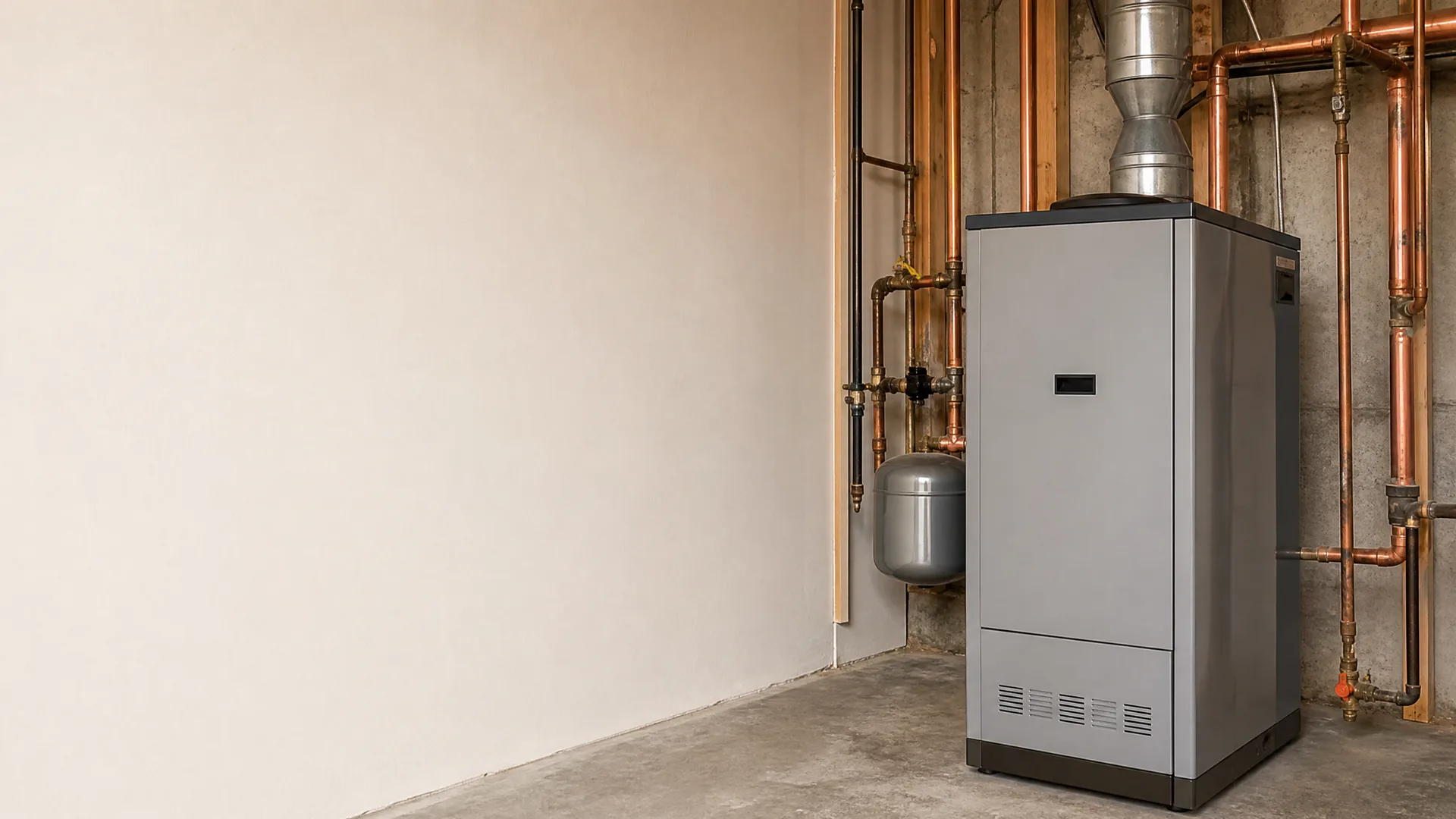
If a baseboard or radiator sits lower than the pipe feeding it, or a line has a dip from settling, water pools there instead of moving through. That trapped pocket mixes with any air coming through the system and knocks against the pipe wall. A boiler with a circulator pump working harder to push past that blockage also runs longer to heat the same rooms, which on Massachusetts electric rates shows up on the bill before most people think to ask why.
What does that gurgling mean for your house right now
You'll hear it most in the radiators or baseboards closest to the boiler, a gurgle or a soft knock when the heat kicks on. Some rooms may run cooler than others, or take longer to warm up, because trapped air is sitting in a loop that should be full of water. Touch a baseboard that stays cold at the end while the rest of it heats, and you've likely found where the air or sludge has settled. Left alone, the boiler works harder to push heat through a system that's partly blocked, and that shows up on your gas bill before it shows up as a real breakdown. In a Massachusetts winter, a boiler that's straining is not something to sit on.

Air enters the loop through the feed valve or a weak fitting
Trapped air rises and collects at radiators or baseboards
Water hits the air pocket and gurgles as it passes
A contractor bleeds each radiator to let the air out
Why does my boiler only gurgle when the heat first kicks on?
That's the part that confuses people. If it gurgled all the time you'd expect it, but yours goes quiet once the house warms up, then starts again the next time the thermostat calls for heat. You want to know why the noise is tied to that first push of hot water and not something ongoing.
The first surge of hot water is what pushes trapped air through the pipes
When the boiler fires, cold water sitting in the loop gets pushed out by hot water moving in, and that's when any trapped air gets forced along with it. Once the loop is moving steadily, the air that's going to move has already moved, so the noise settles. The air itself doesn't disappear. It collects again at the same high points, usually near the radiators or baseboards closest to the boiler, and waits for the next call for heat to push it through again. That's why bleeding a radiator once and never again doesn't hold. A system that's low on pressure or has a failing expansion tank will keep drawing in air no matter how many times you bleed it.




One request and it's handed off

Only one pro gets your request, so you hear from one company.
Asking costs nothing, and the choice to hire stays yours.
Bleed it yourself or call someone
Bleeding a radiator isn't complicated. You open the little valve with a key or a screwdriver, let the air hiss out, and close it again once water starts to dribble. If the gurgling is coming from one or two radiators and your boiler pressure reads normal on the gauge, that might be all it needs. A lot of Massachusetts homeowners do this once a year without trouble. The risk is in not knowing when it's more than air. If the pressure gauge is low, bleeding won't fix that, and you can bleed every radiator in the house and still hear the same gurgle next week because water keeps getting pulled back in behind it.
When it's worth bringing someone in
If you've bled the radiators and the sound comes back within days, something is feeding air into the system faster than you can let it out. That usually means a failing expansion tank, a feed valve that won't shut, or a fitting losing water slowly enough that you'd never spot it on the floor. A heating contractor who works on boilers all winter in this state knows which of those three it usually is for a given age and type of system, and can check pressure, look at the tank, and pressure-test the fittings in one visit instead of you guessing your way through it room by room.
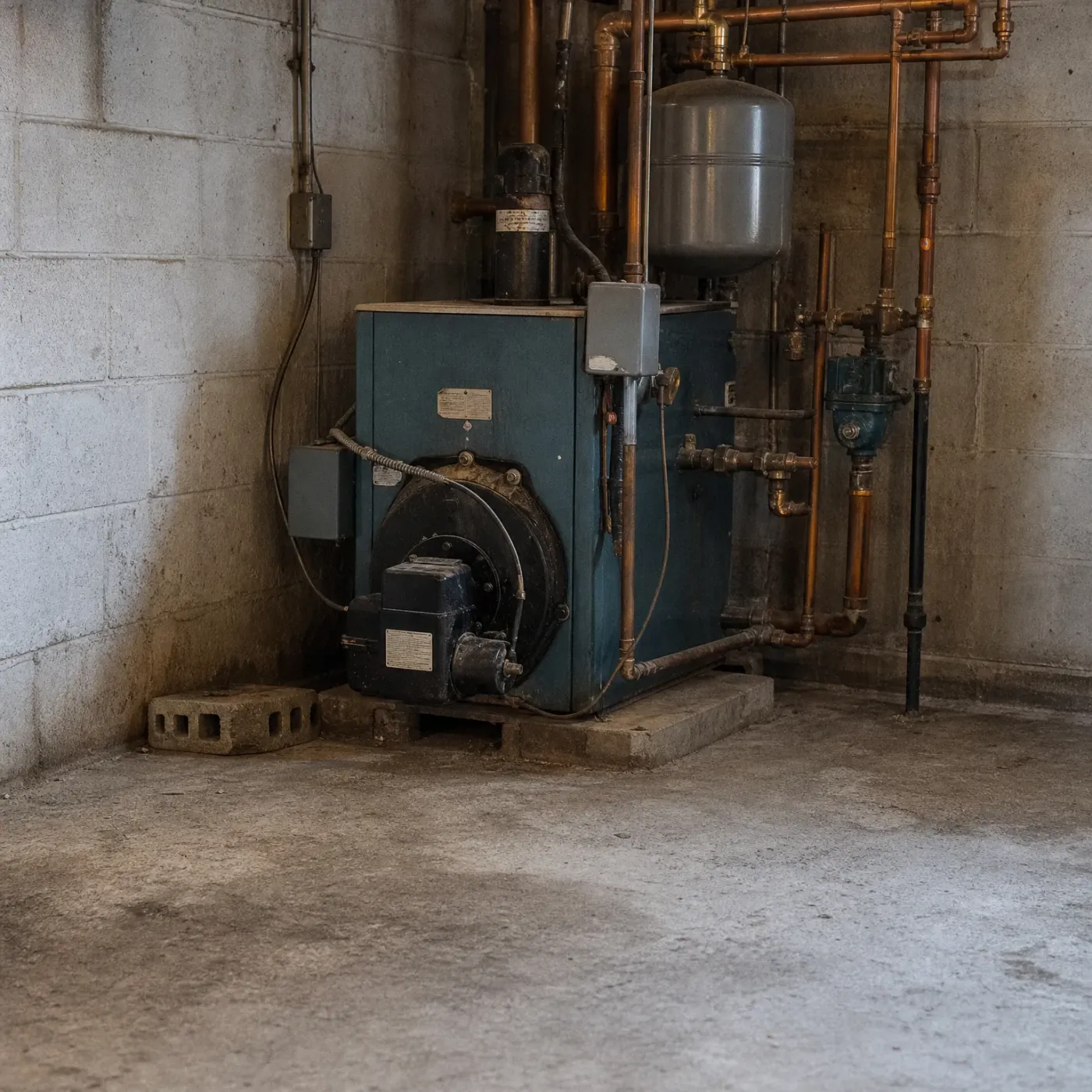
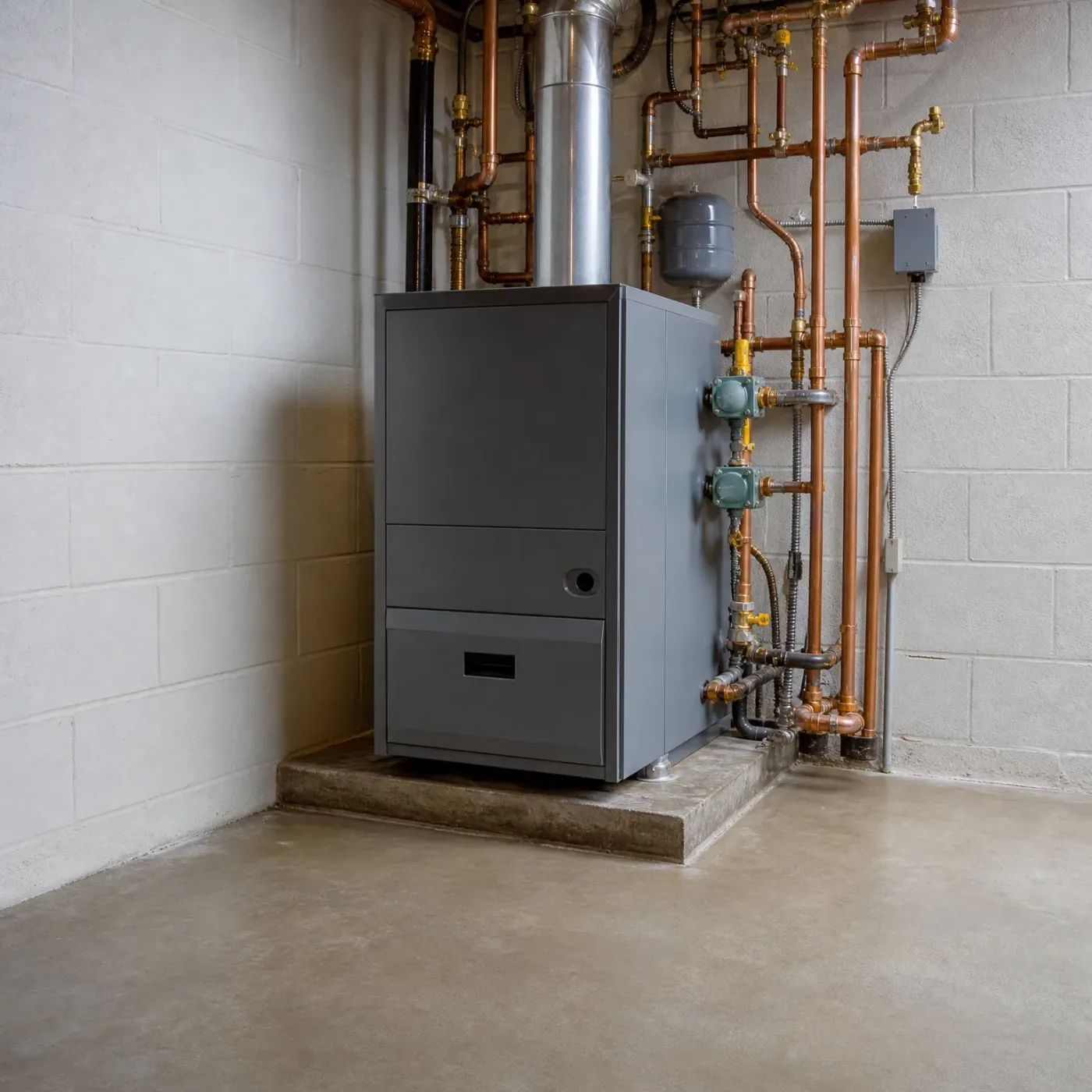
Winter nights across Massachusetts average 21°F, according to NOAA climate data. That kind of cold keeps a boiler cycling on and off for hours at a stretch, all night, every night, from December through February. Each cycle pulls a little more water through the feed valve to keep pressure up, and that water carries air in with it. The more the boiler runs, the more air works its way into the loop and up toward the radiators. So the gurgling you hear tends to get worse as the cold deepens, not better, and it's often loudest on the coldest nights, right when you need the heat most.
NOAA nClimDiv 1991-2020 county normals weighted by homes


What to do about the gurgle
- Gurgling means air or water is where it shouldn't be, and bleeding the system clears it in most cases.
- If the sound keeps coming back after bleeding, something is feeding air into the loop faster than one fix can clear it.
- A contractor who services boilers all winter in your area has likely seen the same gurgle in a dozen other Massachusetts homes this season.
- Matching you to one local, licensed contractor means a single call back instead of several companies competing for the job.
- Low pressure, a tired expansion tank, or a feed valve that won't shut are the usual culprits behind a gurgle that won't quit.
- Once you know what's causing it, the fix itself is usually quick for someone who works on this equipment regularly.
A gurgling boiler almost always comes down to air or water sitting somewhere in the loop it shouldn't be. Bleeding the radiators clears that air and quiets the system in most houses. When it doesn't, that's a sign something keeps pushing air back in: pressure that's drifted low, an expansion tank that's lost its charge, or a feed valve that won't fully shut. None of those are guesswork once someone's looked at the boiler directly, but they're also not the kind of thing worth chasing with repeated bleeding if the sound keeps returning week after week.
This is where it helps to have someone who does this work through a Massachusetts winter, not just once in a while. A contractor who services boilers all season has likely bled the same radiators, checked the same feed valves, and found the same tired expansion tanks in other homes nearby this year alone. That kind of familiarity means less time spent guessing and more time spent fixing the actual cause.
Sending a request through this page puts you in touch with one licensed, local contractor, not a handful of companies all calling to bid on the same job. You get a single point of contact who already knows the kind of boiler problems common in houses like yours, in weather like this. Once that call happens, the work of finding someone is done. What's left is getting the gurgle fixed properly, by someone who knows exactly what to check first.





Done looking for a boiler pro
Your request stays with one local pro.
No fee to send it, and nothing to sign.