

Why your boiler runs out of hot water in Massachusetts
Send the request today and stop worrying about who to call.
Let a pro reach outA boiler that runs out of hot water usually has a problem on the tank side, not the heating side. If you have a tank-type water heater tied into the boiler system, sediment builds up at the bottom over time and that layer sits between the burner and the water, so it takes longer to heat and runs out faster than it used to. A failing dip tube causes the same complaint by letting cold incoming water mix straight into the hot water instead of dropping to the bottom to be heated. If your boiler also handles the house heat, a thermostatic mixing valve or an aquastat set too low will shortchange the hot water side whenever the heat is calling. Gas is the common fuel for boilers in Massachusetts homes, so the fix is usually a flush, a part, or an adjustment rather than a full replacement. Catching it now, before winter puts real demand on the system, is worth doing.
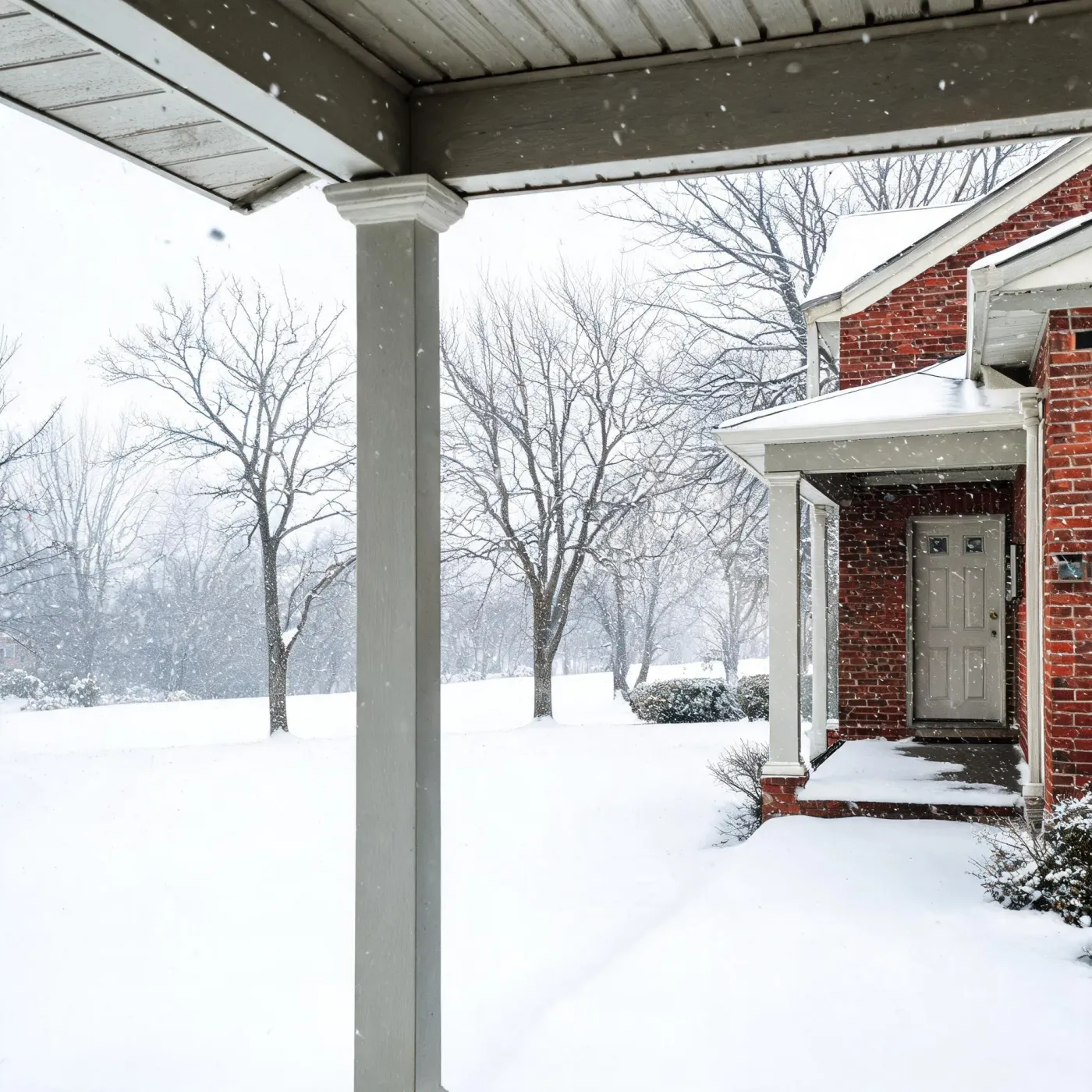
Winter nights here average 21°F statewide, according to NOAA climate data. That kind of cold keeps a boiler firing for long stretches, and a tank with sediment at the bottom has to work harder to get the same amount of hot water up to temperature. You'll notice it first as showers that run lukewarm sooner than they used to, or a tank that takes longer to recover between uses. The burner is working through that sediment layer before the heat ever reaches the water above it. Through a Massachusetts winter, that strain shows up faster than it would in a mild month, and a tank that was barely keeping up in October often falls short by January.
NOAA nClimDiv 1991-2020 county normals weighted by homes
How does sediment actually cut off my hot water?
You already know sediment is the usual culprit, but you want to know the mechanics of it. How does a layer of grit at the bottom of a tank turn into no hot water at your taps?
Sediment insulates the burner from the water, so the burner heats the tank instead of your water
Gas tank water heaters fire a burner underneath the tank, and that heat is supposed to pass straight up through the water sitting above it. Sediment settles on the bottom first, and once it builds up, it sits between the flame and the water like a layer of insulation. The burner keeps running, but the heat has to work through the sediment before it reaches the water, so less of it gets there. You end up with a smaller volume of hot water at the top of the tank, and once that's drawn down, what's left takes longer to heat or doesn't get hot at all. The tank hasn't lost capacity. The sediment is just in the way.

You get up before the sun, like always, and head downstairs to shower before work. The living room is still dark, and the cast-iron radiator under the window ticks as it heats. You can see your breath for a second near the glass, where ice has formed a thin white crust on the inside of the pane. Outside it's still deep into the single digits. You cup your hands and head for the bathroom, but the water never turns past lukewarm. You stand there a minute, running it, waiting for a heat that isn't coming, already thinking about who you're going to call before you even leave for work.
Hand off the boiler problem
A boiler problem that cuts your hot water doesn't wait for a convenient week. Running the heat and the shower on a gas system that's falling behind costs you twice, once in the gas bill from a burner working harder than it should, and again in the electric bill for whatever you're running to make up for lukewarm water, and electricity here is already expensive. Finding someone to look at it usually means searching for a plumber or an oil and gas tech who works on boilers, calling a few, explaining the same thing about sediment and cold mornings each time, then sitting with quotes trying to guess who actually knows these systems. That's the part you can hand off. Send the request once and the search, the calls, the repeating yourself, all of it stops being yours to do. You still have a boiler that needs a look before the next cold snap, but you're not the one tracking down who's going to give it one.
Tank-type versus tankless coil
If your boiler heats water through a tank sitting next to it, sediment at the bottom is almost always the reason the hot water quits partway through a shower. The tank holds a fixed amount, and once that layer of grit builds up, less of it ever gets hot enough to use. If instead your boiler runs an indirect coil or a tankless coil built into the unit itself, the water heats on demand as it passes through, and running out works differently. Scale inside that coil restricts flow and cuts the heat transfer, so you get a weaker stream of warm water rather than a tank that empties and takes time to recover.
Recovery time tells you which
A tank system that runs out of hot water needs time to reheat before more is available, often close to an hour depending on tank size and burner output. If you wait and hot water comes back fully, that points to a tank running behind on recovery. A coil system doesn't work that way. There's no tank to refill, so if the water never gets properly hot no matter how long you wait, the restriction is inside the coil itself, not a matter of recovery. Knowing which one you have before a contractor arrives means less back and forth figuring out what's actually failing.




If your boiler has no separate tank, it's heating water through a tankless coil instead, a small heat exchanger that pulls hot water straight from the boiler whenever you turn on a tap. There's nothing stored, so the coil has to work every single time. That setup fails differently than a tank does. Scale builds up inside the coil's narrow tubing and cuts how much heat it can transfer, so hot water comes out weak or lukewarm at every faucet at once instead of just the bathroom shower. A boiler thermostat set too low makes the same thing worse, since the coil only puts out good heat when the boiler water itself is hot enough. There's also a mixing valve on most of these setups, and if it's stuck or failing, it can blend in too much cold water before the tap even sees what the coil produced. The boiler can be running fine and you'd still get a cool shower. Worth knowing before you assume it's the same sediment problem a tank has.
Tankless coil versus tank problems
- A tankless coil draws heat straight from the boiler water every time you open a tap, so it never stores hot water the way a tank does.
- A coil losing output usually means mineral scale coating the coil itself, cutting how much heat it can pull from the boiler water as it passes through.
- A boiler stat set too low starves the coil of heat even when the burner is firing, since the coil output depends on the boiler water staying above a set temperature.
- A tank-type setup fails at the bottom first, where sediment collects, while a coil failure usually shows up as weak flow or lukewarm water at every tap at once.
- Mixing valve trouble on a tankless coil setup can blend in too much cold water before it reaches the faucet, so the boiler may be heating fine while the tap still runs cool.
- A coil that scales up restricts flow through the narrow tubing, so you'll notice the hot water trickling rather than running at full pressure.
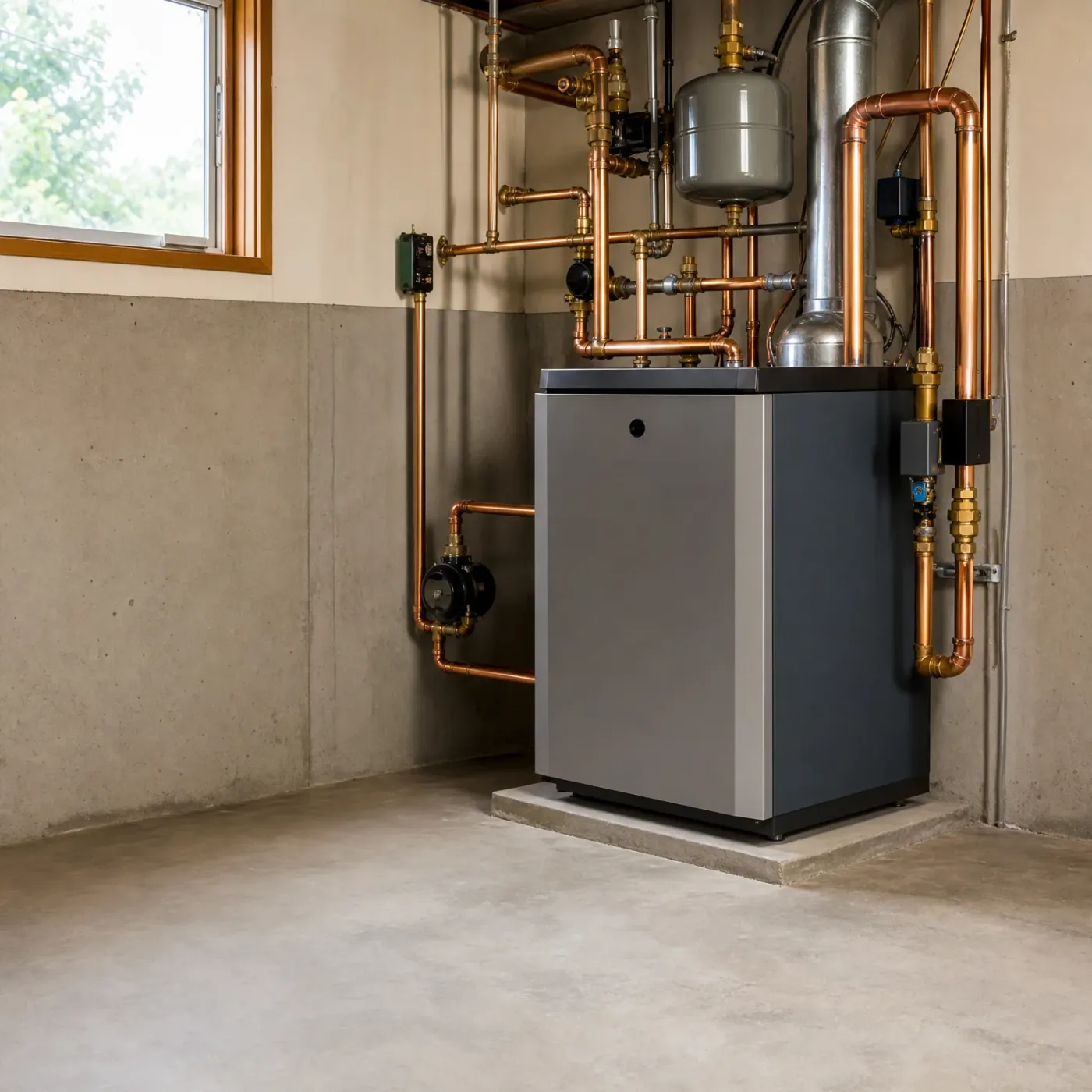
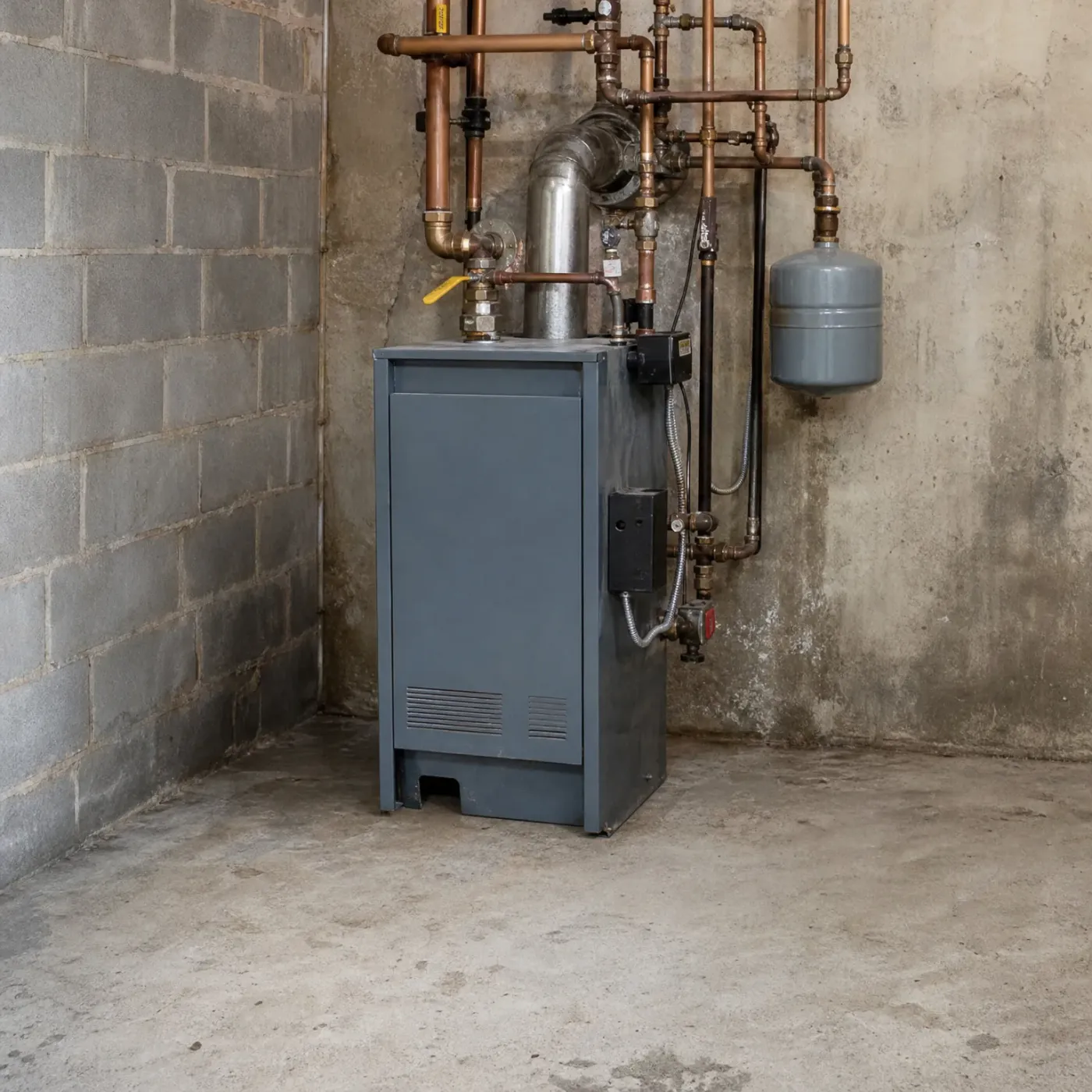


Winter nights average 21°F statewide
At 21°F, your boiler is firing almost constantly overnight just to hold the house at temperature. That leaves the tank less recovery time between draws, so a layer of sediment that would barely matter in May makes a real difference to how much hot water survives until morning.
NOAA nClimDiv 1991-2020 county normals weighted by homes

A boiler that runs short on hot water is telling you something specific
Whether it's sediment sitting at the bottom of a tank, scale coating a tankless coil, or a fitting that's corroding, the cause is mechanical and it doesn't fix itself. Massachusetts winters give a boiler little rest, and a system already losing ground has less room to recover between draws. That's true whether the problem showed up last week or has been getting worse for months.
You don't have to spend a weekend calling around, explaining the same problem to three different shops, and sorting through quotes that are hard to compare because nobody looked at the same thing. Send the details once and the search for who's available and qualified to look at your boiler stops being something you have to manage yourself.

Let someone else find the pro