


Can a heat pump keep up here
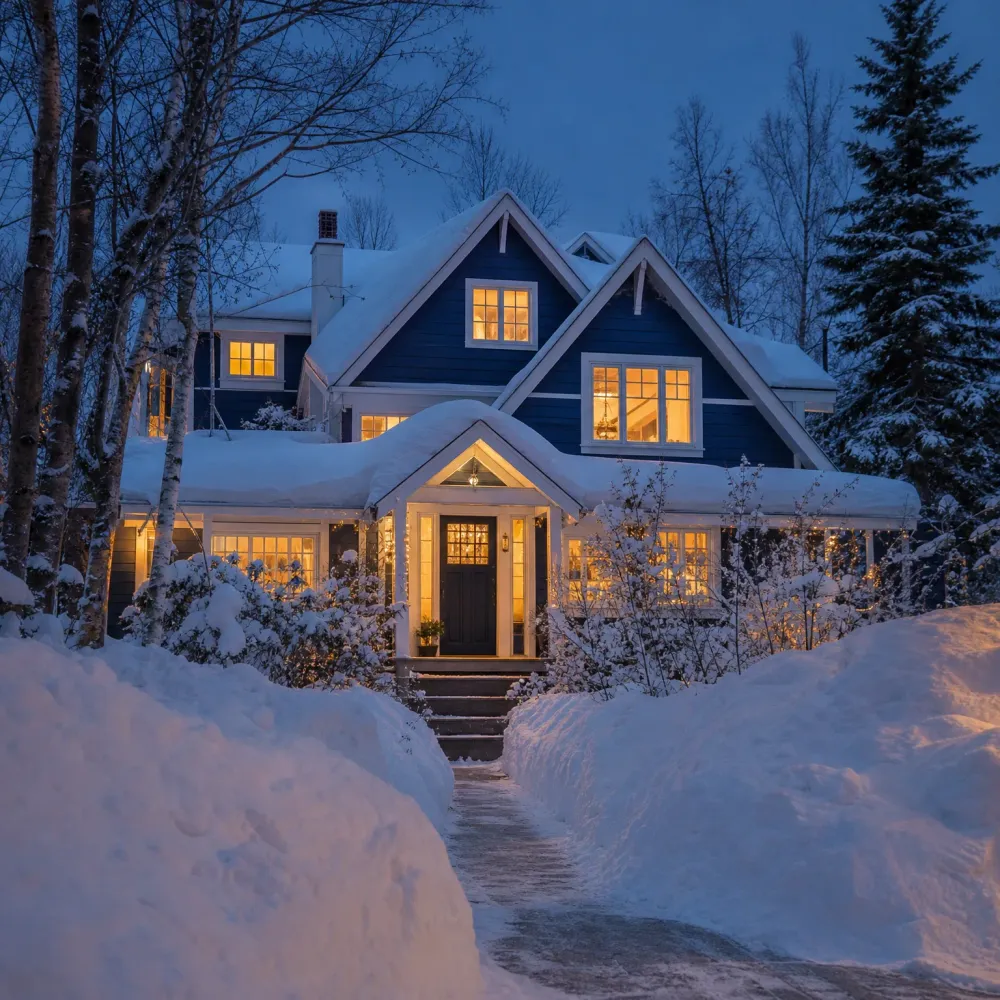
Winters in Worcester County will test a heat pump every night, not once in a while. The overnight low averages 18°F across December, January and February, and it drops to freezing or below on about 145 nights a year, over half the nights in the eight months the heat runs. A standard heat pump starts losing ground below 40°F and often leans on backup heat below about 35°F. Here, both of those marks sit above the average winter night, not below it. This is not a system that dips under 40°F occasionally. It lives there most of the winter.
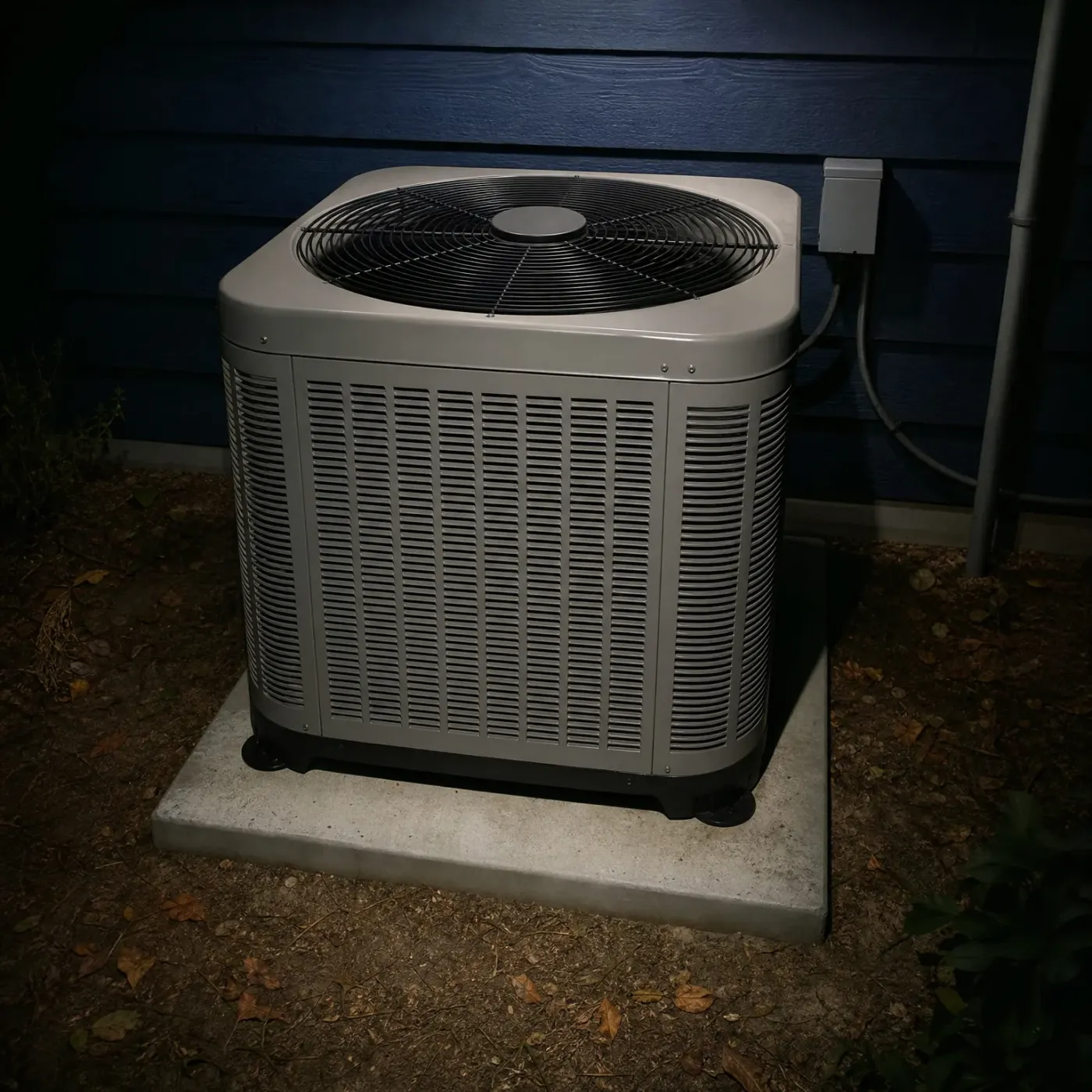
That does not mean the heat pump shuts off. Look up what the ENERGY STAR Cold Climate rating actually requires: a heat pump has to keep making heat at 5°F, delivering at least 1.75 units of heat per unit of electricity and holding onto 70 percent of its 47°F capacity at that temperature, checked by outside testing. A field test of these cold climate models over two winters found backup heat only carried a small share of the load between 0°F and 35°F, and running on backup alone was rare even above 0°F. Worcester County only sees 0°F about 6 nights a year. So a cold climate heat pump is built for exactly the nights this county has the most of. A standard heat pump, bought off the federal minimum, is not.