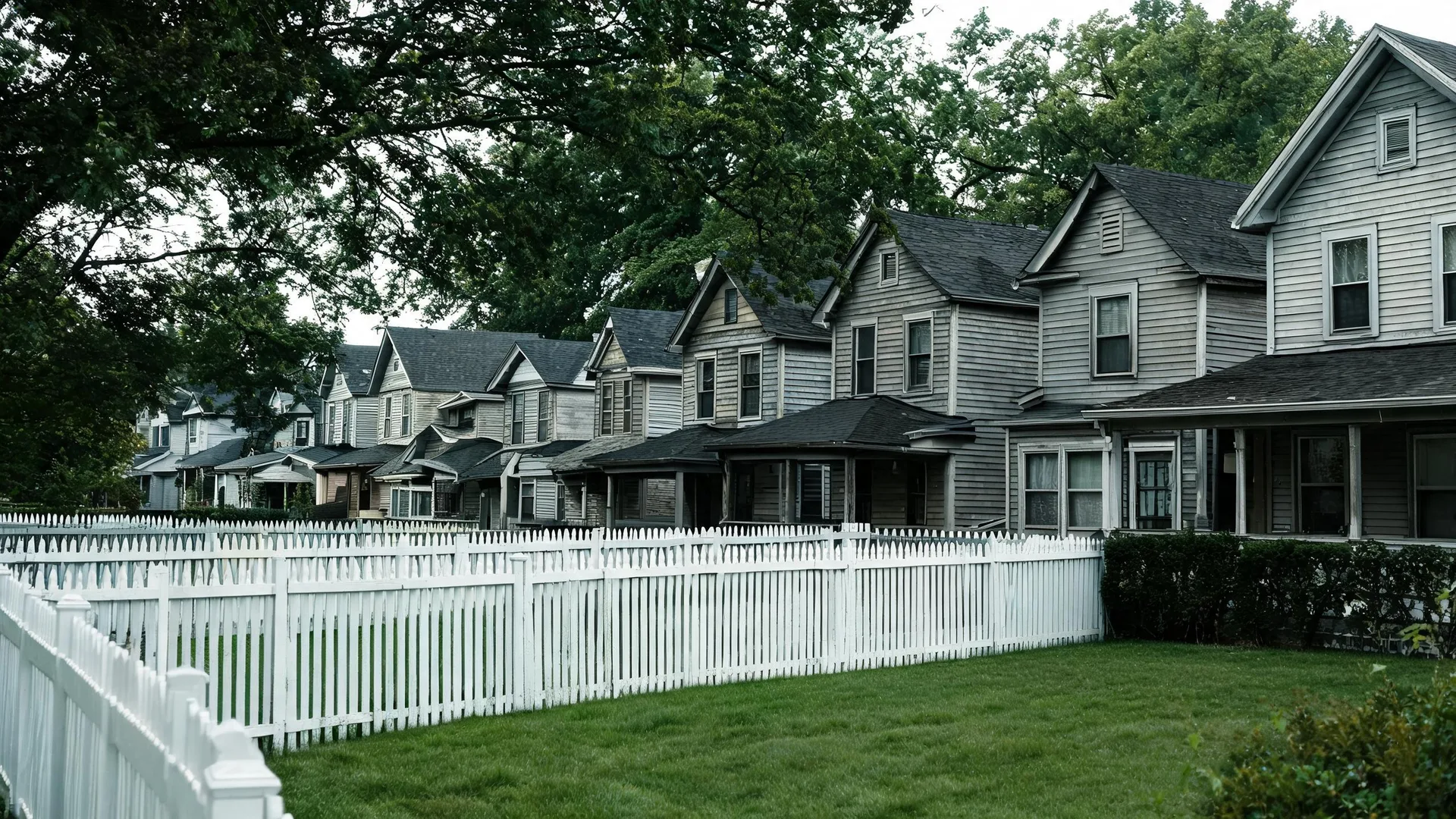






A row of similar two-story wood-sided houses with gabled roofs behind a white picket fence and mown lawn, with large trees overhead.

Furnace Installation in Cambridge, MA

Tell us about the job

Takes about a minute. No obligation.

New system or replacementFurnace or heatingMiddlesex County, MA
Step 1 of 2

What ZIP code is the job in?

Middlesex County gets its share of rough weather, including 89 winter storms between 2015 and 2024. None of that changes what furnace belongs in a Cambridge home. A properly sized, standard-efficiency furnace handles a cold snap the same way it handles an ordinary night. What matters more is the power behind it. A good share of Massachusetts households lost power for at least a day in 2024, and a furnace with no electricity won't fire no matter how new it is. Worth asking your contractor how the system you're looking at handles an outage, since that's the part weather actually touches.

8 months
October through May, your furnace is on duty
19°F
the average winter night it heats against
59%
of homes here heat with gas, so most furnaces here burn gas
80% AFUE
the federal minimum any new unit must meet
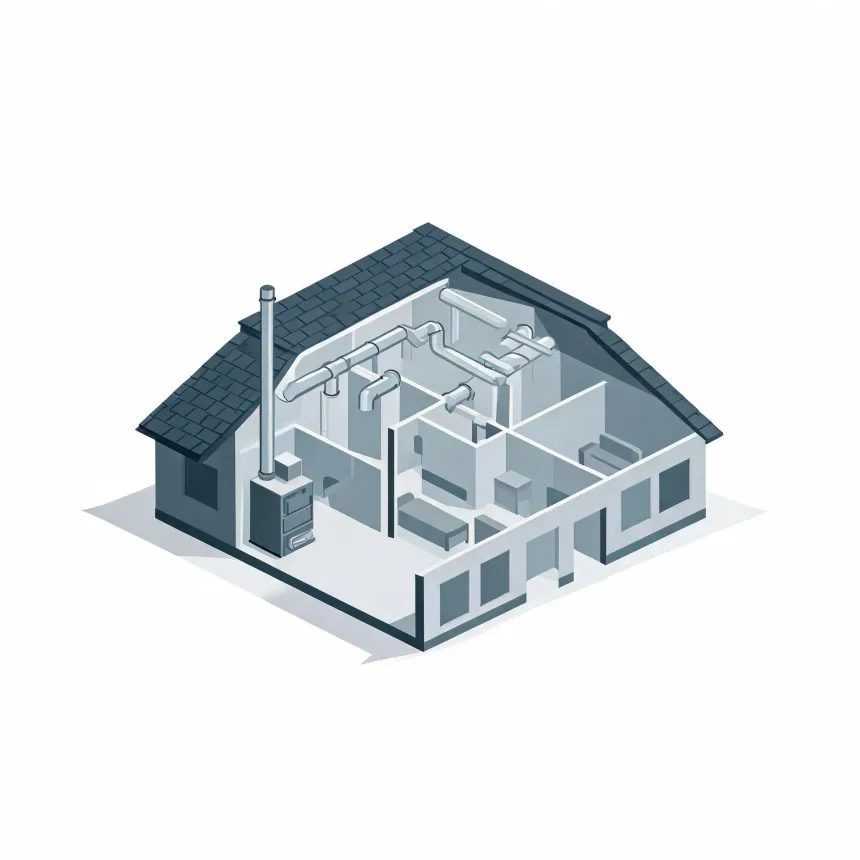
Isometric grayscale illustration of a cutaway house showing interior rooms, ceiling ductwork, a flue pipe, and a furnace unit on the left side.
Your furnace works hardest from November through March.

NOAA nClimDiv, 1991–2020 normals

Furnaces in Cambridge start running in October.

Get yours installed in September and it's working before you need it.

Half the homes here were built by 1962, and a furnace has to fit the house it's going into

Half the homes here were built by 1962
Heat runs October through May
Winter nights average 19°F
Built for a Cambridge winterHeat runs eight months a year here, with overnight lows averaging 19°F in January

Most homes in Middlesex County already heat with gas, close to six in ten. If that's what your house has now, staying with gas means the line to the furnace is already there and the flue is already sized for it. Switching to something else means new venting, maybe new electrical, work the gas setup doesn't need. None of that rules out a different setup. It just means a gas furnace fits into a gas home without touching what's already there.

Go with the standard fit

A standard size and efficiency fit fine here. There's no local reason to go bigger or pricier.

Find a contractor
A man in a dark cap, dark shirt and tan work pants walks up wooden steps toward a blue front door, carrying a worn canvas tool bag in his right hand, with a potted shrub beside the entry.
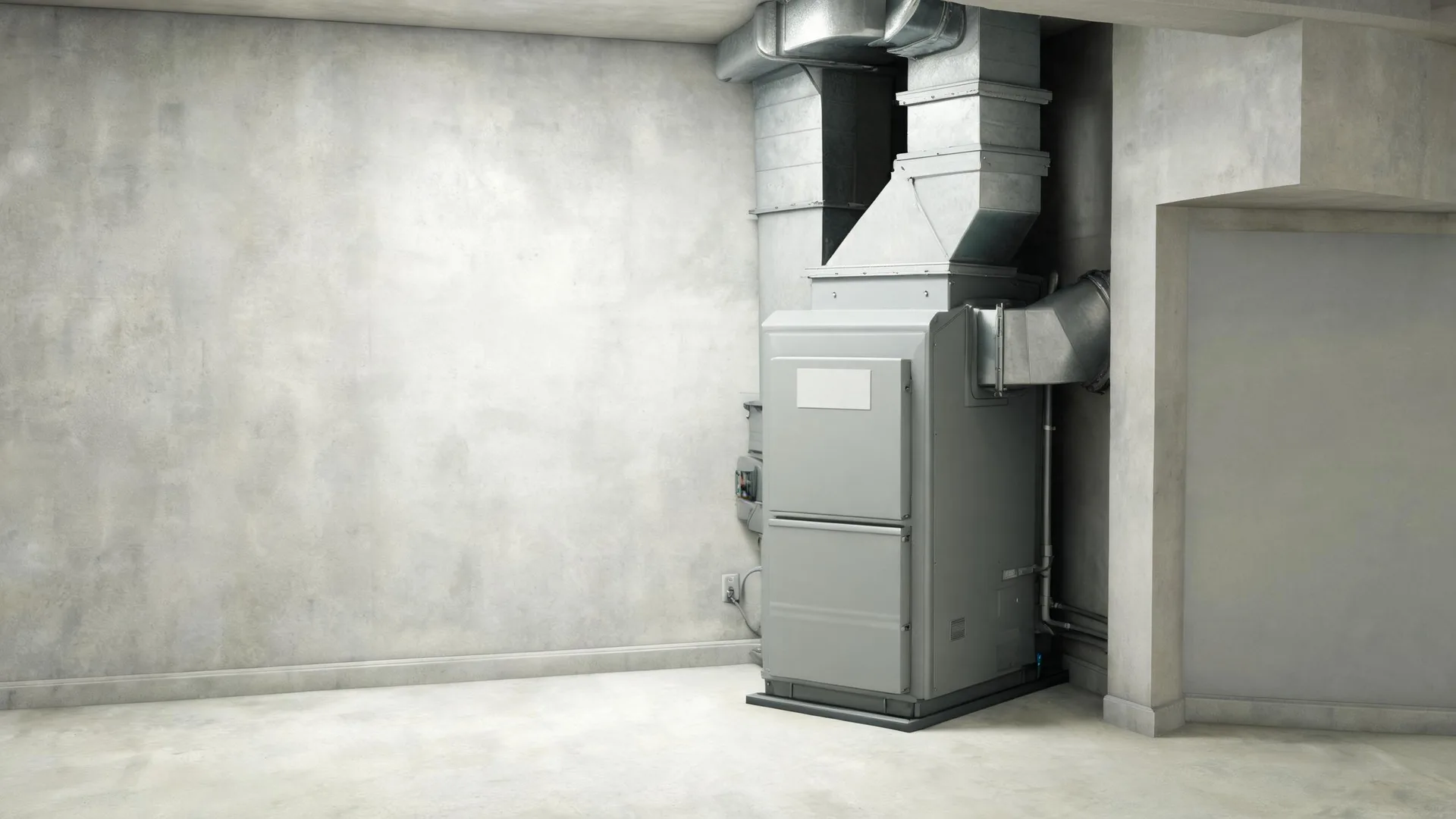
A gray residential gas furnace installed in an unfinished basement, connected to sheet-metal ductwork and PVC pipes.

Size it to the house, not the old unit

An old furnace in an old house got sized for the ductwork it was tied into. Put a new one in, make sure the contractor sizes it to that same ductwork rather than to a chart. That means a load calculation for your house, not a swap based on the old unit's rating plate. Houses from 1962 and earlier settled into whatever duct layout they have now, and a furnace that moves more air than those ducts were built for won't heat any better for it.

Ask for the AFUE rating in writing

AFUE tells you what share of the fuel becomes heat in the house versus what goes out the flue. It's printed on every furnace's spec sheet, so a contractor can hand it over without digging for it. If bids come in far apart on price, the AFUE rating is often part of why.

Ask whether the ductwork needs changes

A furnace moves air through the ductwork already in the house, and that ductwork was built to carry a certain amount of air and no more. A unit that pushes more than the ducts were built for leaves some rooms warm and others never catching up. A contractor who has actually looked at the ducts can say plainly whether they work with the unit being proposed or need work first.

An unfinished basement featuring concrete block walls, exposed floor joists, a bare concrete floor, and a forced-air furnace with a large metal exhaust duct in the corner.

A high-efficiency gas furnace would save about $180 a year to run in Middlesex County compared with a gas furnace.

  • A high-efficiency gas furnace$850 a year
  • A gas furnace$1,030 a year

Estimates for a typical Middlesex County home, from EIA household energy data, Massachusetts fuel prices and NOAA climate normals. Your home will differ.

Sizing a furnace comes down to a load calculation, not a guess based on square footage. A contractor works out how much heat a house loses on a cold day, accounting for the windows, the insulation, the ceiling height, how the rooms connect. Houses the same size can still need different furnaces, since one holds heat better than the other. Go too big and the furnace short cycles, kicking on, heating the place fast, shutting off before it's run long enough to warm things evenly or wring the moisture out of the air. Go too small and it runs constantly on the coldest days and still can't keep up. Right sized, it runs in long steady stretches and the thermostat barely has to think about it.