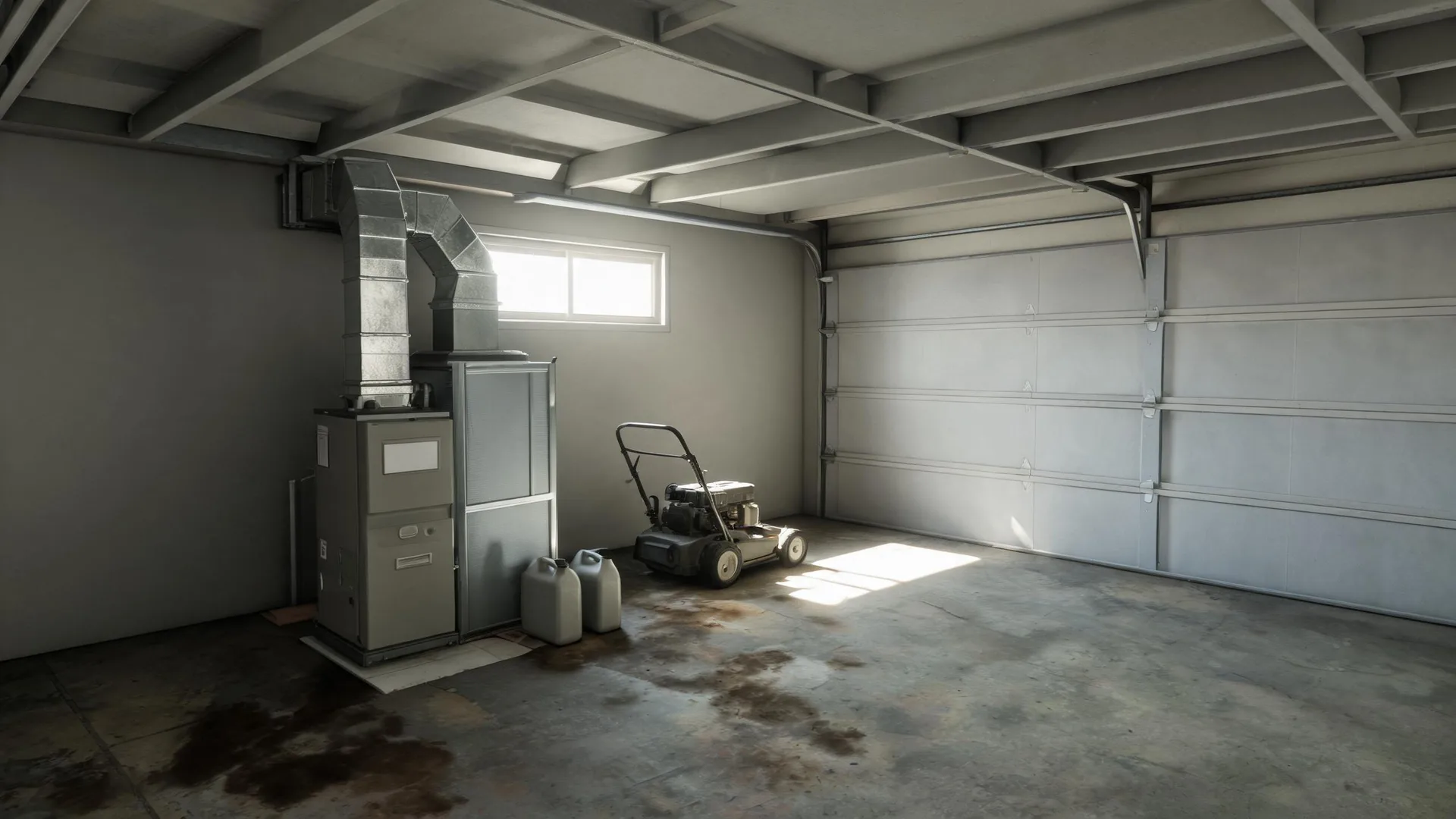
Eight months of heat
Furnaces in Amherst run from October through May. Overnight lows average 18°F through December, January and February, so the furnace is holding a big temperature gap most nights it runs.
Takes about a minute. No obligation.
Furnaces in Amherst run from October through May. Overnight lows average 18°F through December, January and February, so the furnace is holding a big temperature gap most nights it runs.
A furnace sized for an easier climate will run longer and harder here just to keep up. Hampshire County saw 53 winter storms, heavy snow, ice and blizzards, between 2015 and 2024. The right size for this place matters more than whatever a brochure promises.
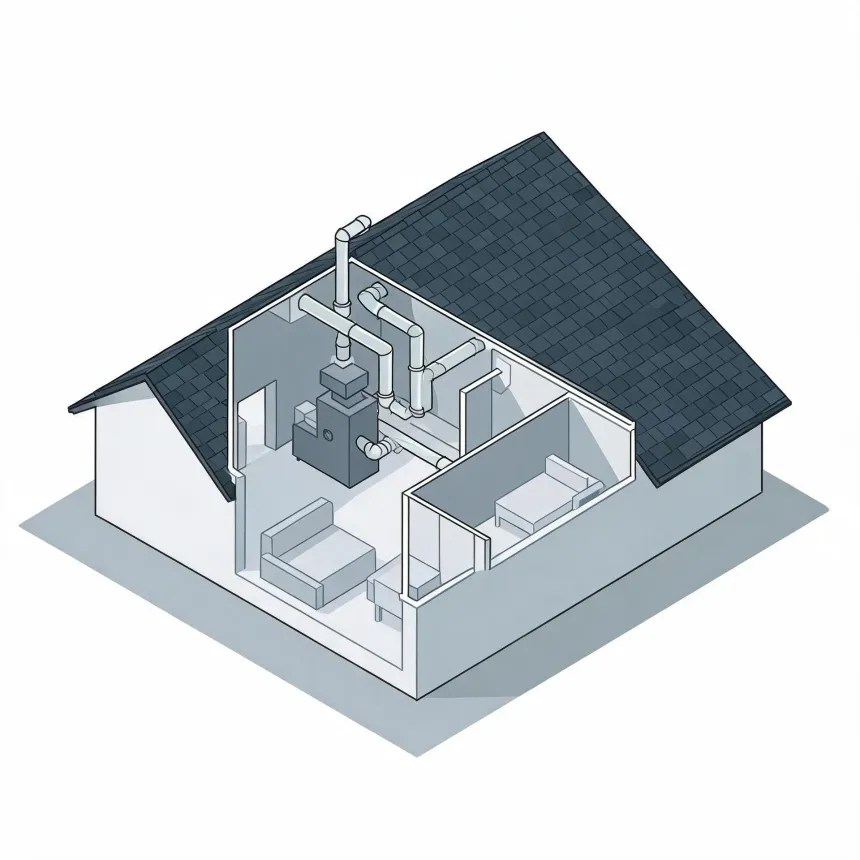
NOAA nClimDiv, 1991–2020 normals
Half the homes in Hampshire County were built in 1969 or earlier.
A furnace going into a house that old has to match the ductwork and layout already there, not just the floor space.




Amherst falls under climate zone 5A, a cool zone where heating carries most of the load through the year. Any gas furnace going in new has to meet 80.0 percent AFUE, the federal minimum that applies now. That floor rises to 95.0 percent for furnaces built from December 2028 on, so what counts as compliant will change. A contractor sizing a system for this county is working within that floor, not around it. Ask about the federal tax credit for qualifying high-efficiency furnaces when comparing models against that standard.
A furnace that's the right size for Amherst will run most of the day from October through May. The wrong size shows up fast here, not years down the road. Get it sized for this county before you sign anything.
Find a contractorHave the contractor walk the ductwork before they size anything. In a house built in 1969 or earlier, those runs were sized for a furnace from that era, and the new unit has to work within them, not force them into a different shape. A furnace that looks right on paper can still perform poorly if it's tied to ducts that were never built for it.
A contractor should run a room by room load calculation, not eyeball the old furnace and match it. Ask to see the numbers, not just the final size. If nobody mentions a load calculation, they're guessing at the size instead of measuring it.
A higher efficiency furnace vents differently than an older one, often through a different kind of pipe in a different location. Ask where the new vent will run and what it takes to get it there. That work changes the job even when the furnace itself is a straightforward swap.
The AFUE number on the label tells you how much fuel turns into heat and how much goes out the vent unused. It says nothing about how that heat gets to the rooms that need it. A high rating on a poorly sized or poorly installed furnace will not fix a cold room upstairs. Furnaces with the same rating can still behave differently depending on the blower and how well the ductwork feeding them was designed. A furnace that modulates its output runs longer at a lower flame instead of firing full blast and shutting off, which tends to even out temperatures room to room. That's separate from efficiency, worth asking about alongside the rating, not instead of it.
Installation day starts with the old furnace coming out, along with any vent pipe and ductwork connections that won't fit the new one. The gas line gets shut off and checked before the new unit goes in. The electrical connection feeding the blower and controls gets the same check. Once the furnace is set and leveled, the contractor hooks up the ductwork, runs the new vent pipe, and ties in the gas and power. Every joint gets checked for gas leaks before anything fires up. Then the furnace runs through a full cycle, heating up, cycling off, and starting again, while the contractor checks that the temperature rise and airflow match what the unit is built for. The last step is usually the least visible. Someone sets the thermostat and blower controls so the furnace runs the way it was sized to, not just the way the old one happened to.