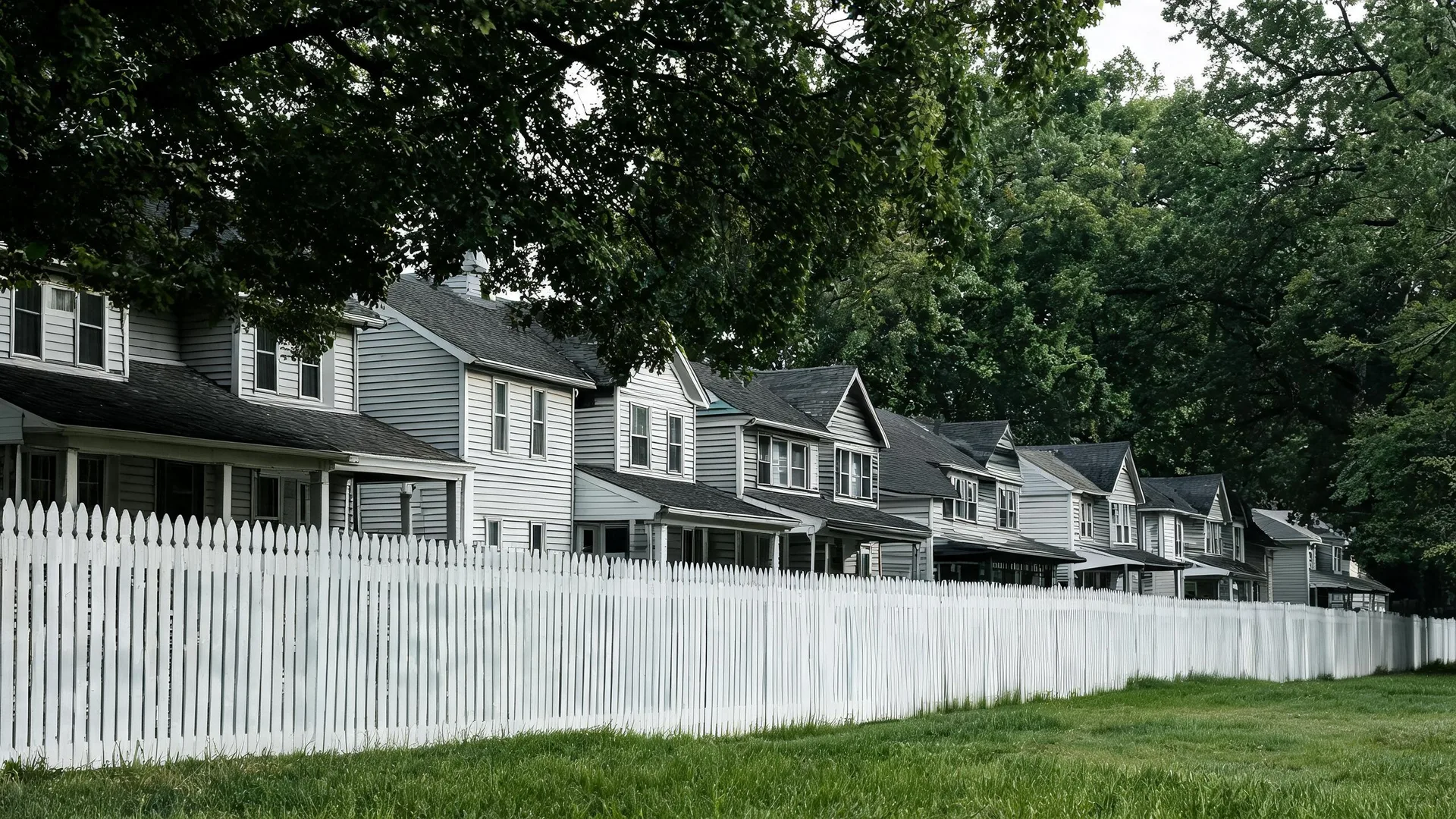





A long white picket fence runs along a grassy lawn in front of a row of gray clapboard houses with pitched roofs, framed by large leafy trees.

Furnace Installation in Boston, MA

Tell us about the job

Takes about a minute. No obligation.

New system or replacementFurnace or heatingSuffolk County, MA
Step 1 of 2

What ZIP code is the job in?

Natural gas ran $21.27 per million Btu across Massachusetts homes in 2024. That price lands on every therm your furnace burns, winter after winter. A furnace that converts more of that gas into heat, instead of sending it out the flue, costs less to run at that price than one that doesn't. Over the life of the system, the difference between a mid-efficiency furnace and a high-efficiency one shows up on every bill, not just the first one. When you're comparing units, the AFUE rating tells you how much of that gas becomes heat in your house.

8 months
October through May, your furnace is on duty
23°F
the average winter night it heats against
57%
of homes here heat with gas, so most furnaces here burn gas
80% AFUE
the federal minimum any new unit must meet
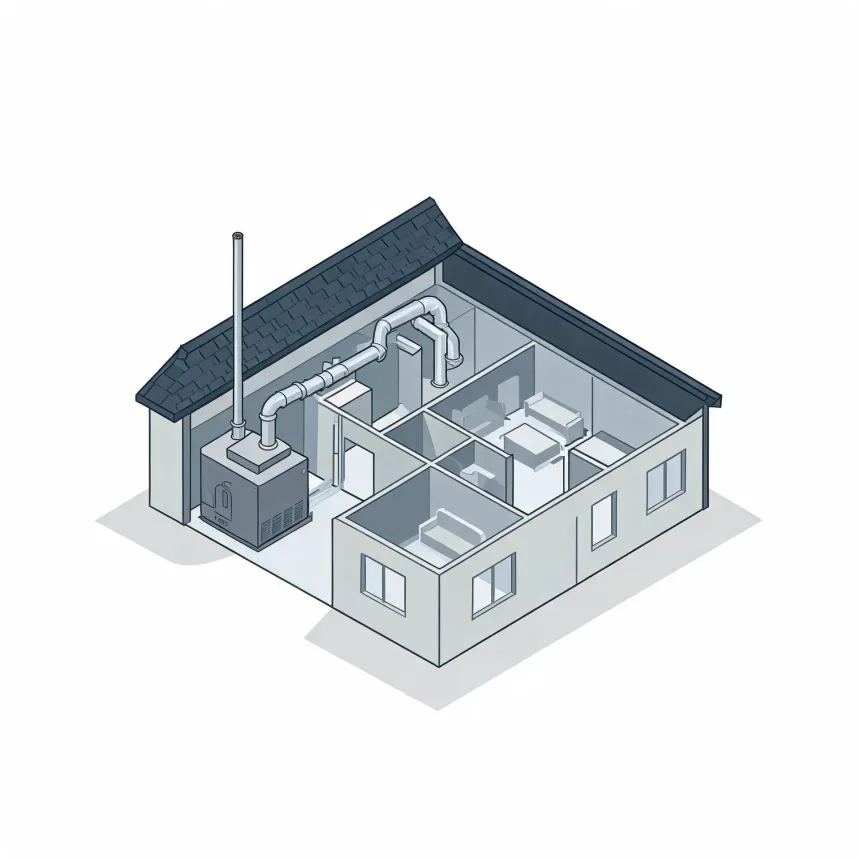
Isometric grayscale illustration of a cutaway single-story house showing interior rooms with furniture, plus an exterior furnace unit with a tall flue pipe and ducting running into the attic space.
Your furnace works hardest from November through March.

NOAA nClimDiv, 1991–2020 normals

Gas heats 56.9% of homes in Suffolk County.

If gas already runs to your house, a new gas furnace is the straightforward path.

Half the homes here were built by 1949, and your furnace has to work with what's there

Half the homes here were built by 1949
Heat runs October through May
Winter nights average 23°F

Suffolk County sits in climate zone 5A, a cool zone where heating carries the bigger share of your energy use. Any furnace installed here has to meet the federal minimum for that zone, 80 percent AFUE. If your current furnace is old, it was likely built to a looser standard than that, so the floor has already moved up since it went in. That floor is set to rise again in a few years, so a furnace bought now is still installing under today's lower standard. Most contractors already carry units well above the minimum, since a furnace that clears 80 percent by a wide margin burns less gas doing the same job.

Eight months of heat is a long enough stretch to get the right furnace in before it starts

Heat runs here from October through May, with winter lows averaging 23°F. That's a long season asking a lot of the furnace you pick. A standard furnace that clears the efficiency minimum by a fair margin will handle it without needing anything special in size or features beyond that.

Find a contractor
A man in a dark long-sleeved shirt and tan work pants, seen from behind, carries a canvas tool bag up porch steps toward a blue paneled front door of a house with light lap siding and a potted flowering plant.
A gray gas furnace with attached ductwork and piping installed in an unfinished concrete basement.

September is the month to do this

Heat starts here in October. That gives you September to get a new furnace in on your own schedule, not standing in a cold house comparing quotes fast. Once it's running, it stays on the job October through May, eight months straight. A furnace asked to run that long needs to be sized and installed right from the start, not sorted out after the first cold morning finds a problem.

Ask what size the old furnace was, not just what size it is now

A contractor should size your furnace with a load calculation based on your house, not by matching the number on the unit you're replacing. The old one might have been oversized from the start, which wastes gas and shortens the life of the parts by cycling on and off more than it should.

Ask what happens to the venting

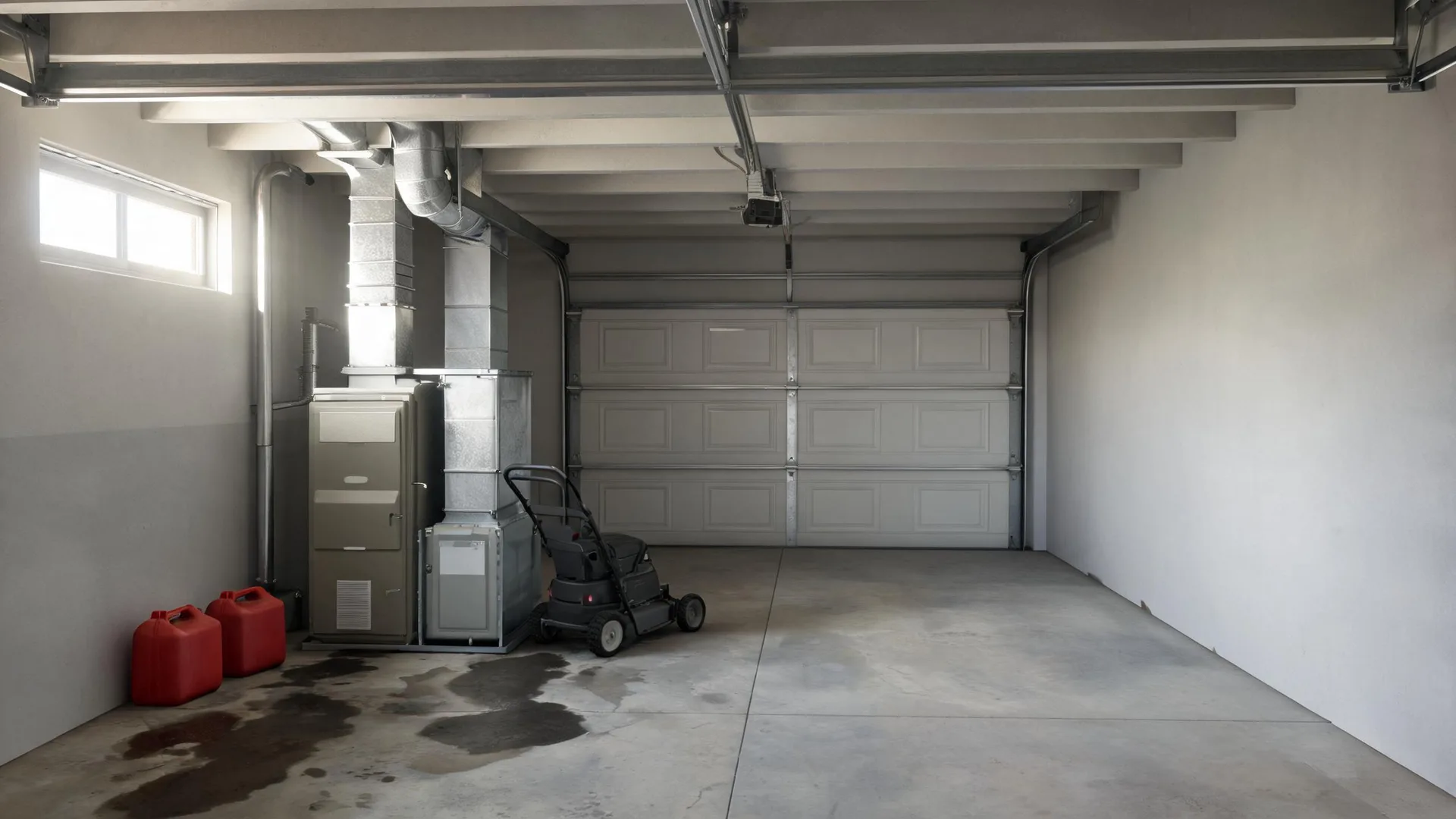
A furnace above the efficiency minimum often vents differently than an older, lower one, sometimes through a side wall with PVC pipe instead of the old metal flue. That changes where the vent terminates outside and what else the installer needs to touch to make the switch work.

A gas furnace with sheet-metal ductwork and PVC pipes installed in an unfinished basement.

A high-efficiency gas furnace would save about $170 a year to run in Suffolk County compared with a gas furnace.

  • A high-efficiency gas furnace$790 a year
  • A gas furnace$960 a year

Estimates for a typical Suffolk County home, from EIA household energy data, Massachusetts fuel prices and NOAA climate normals. Your home will differ.

The old furnace has to come out first, and that part takes longer than most people expect once the ductwork and vent connections are disconnected. Setting the new unit in place is quick by comparison. Most of the day goes into the connections around it. The gas line gets pressure tested before anyone fires the unit up. Once it's running, the contractor checks the flame, the temperature rise across the heat exchanger, and the draft pulling exhaust out through the vent. Airflow gets checked at the register too, since a furnace moving too little or too much air won't run the way it's rated to. Before they leave, someone should walk you through the shutoff valve, the filter location, and the thermostat settings.