





A row of illuminated white colonial houses with black shutters and a stone wall along a road at dusk.

Furnace Installation in Vineyard Haven, MA

Tell us about the job

Takes about a minute. No obligation.

New system or replacementFurnace or heatingDukes County, MA
Step 1 of 2

What ZIP code is the job in?

Propane ran $41.72 per million Btu in Massachusetts last year. If your furnace runs on propane, that price lands on you every time it fires. Vineyard Haven homes without natural gas service often heat with propane or oil, so this is worth checking before you buy. A furnace with a higher efficiency rating turns more of that fuel into heat instead of losing it, and at this price the gap between a mid-efficiency and high-efficiency model shows up fast. Ask what fuel the new furnace will run on before you ask about the rest.

8 months
October through May, your furnace is on duty
27°F
the average winter night it heats against
80% AFUE
the federal minimum any new unit must meet
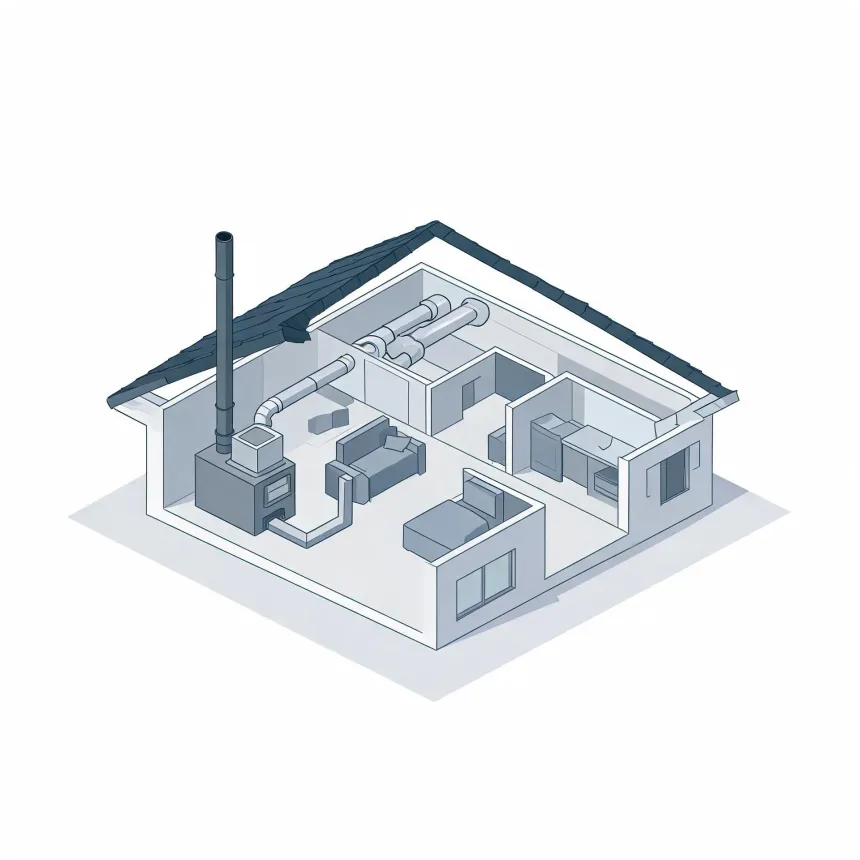
Isometric line illustration of a cutaway single-story house showing interior rooms with furniture, a furnace unit with a tall flue pipe, and connected ductwork running under the pitched roof.
Your furnace works hardest from November through April.

NOAA nClimDiv, 1991–2020 normals

A furnace sized too big for the house will short cycle, shutting off before it ever warms the place evenly.

Getting the size right means a contractor has to measure the house room by room, not just match the old unit.

Propane heats more homes here than any other fuel

40% of homes heat with propane
Heat runs October through May
Winter nights average 27°F
Get it done before OctoberHeat runs October through May here. September is the month to replace a furnace, not after it's already running.

Your furnace here runs about eight months a year, October through May, and overnight lows average 27°F through December, January and February. That's a long, steady season, not an extreme one. A standard-sized, standard-efficiency furnace handles this fine. You don't need a bigger unit than the house calls for, and you don't need to pay for a higher tier of equipment than your home actually uses. The size and efficiency should match the house, not the weather.

Ask about fuel and efficiency before you compare quotes

Fuel type is the first question, not the last one. Ask any installer quoting this job what fuel the new furnace runs on and what efficiency rating it carries, before you talk about size or brand. At $41.72 per million Btu, that answer decides what you pay every month this system runs.

Find a contractor
A gray high-efficiency gas furnace installed in an unfinished basement, surrounded by gas lines, a condensate drain, and sheet-metal ductwork.

The old furnace has to come out before the new one goes in

Whoever installs the new furnace will also need to deal with the one it replaces. A furnace doesn't get hauled out in one piece. The cabinet gets disconnected from the gas line, the vent, and the ductwork, then cut down and carried out in sections. Anyone who has had one running for years knows the heat exchanger inside is the part that matters most. Years of heating and cooling cycles flex the metal, and that's usually what ends a furnace's working life, not the blower or the gas valve. Old ductwork sometimes gets reused, but a good contractor checks it for leaks and proper sizing before connecting it to new equipment rather than assuming it still fits the job.

Ask for the same rating from every bidder

A quote for a mid-efficiency furnace and a quote for a high-efficiency furnace are not the same bid. Ask each contractor to price the same AFUE rating and the same output, so what you're comparing is the installation, not different furnaces at different price points.

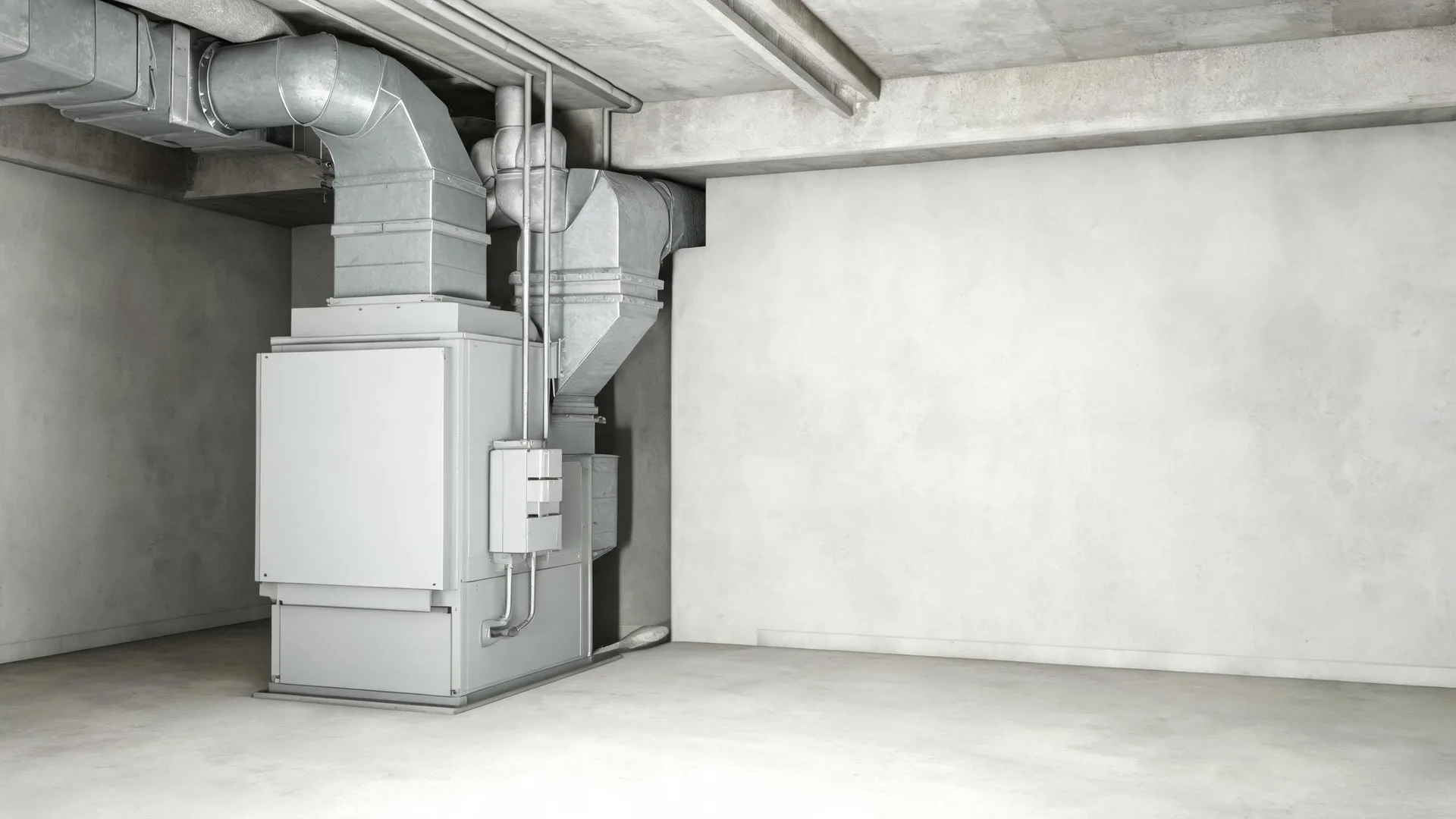
Ask who handles the permit

A furnace install calls for a permit and an inspection separate from the contractor's own work. If a quote doesn't mention it, ask directly. Skipping it can surface later at resale or with an insurer if something goes wrong with the system.

An unfinished concrete basement containing a metal HVAC air handler, exposed wooden ceiling joists with sheet-metal ducts, a hanging bare bulb, copper pipes, and stacked cardboard boxes.

A high-efficiency propane furnace would save about $230 a year to run in Dukes County compared with a propane furnace.

  • A high-efficiency propane furnace$1,060 a year
  • A propane furnace$1,290 a year

Estimates for a typical Dukes County home, from EIA household energy data, Massachusetts fuel prices and NOAA climate normals. Your home will differ.

Installation day starts with turning off the gas and power to the old unit before anyone touches it. The contractor disconnects the gas line, the vent connector, and the ductwork, then cuts the old cabinet down to carry it out in pieces. The new furnace goes in on its pad or stand, and the gas line, vent, and ducts get connected fresh rather than just hooked back up. Vent and gas connections get pressure tested before anything is allowed to fire. Once it's running, a combustion analyzer checks the exhaust to confirm the furnace is burning fuel cleanly and venting the way it should. Only after that gets signed off does the thermostat get programmed and handed back to the homeowner.