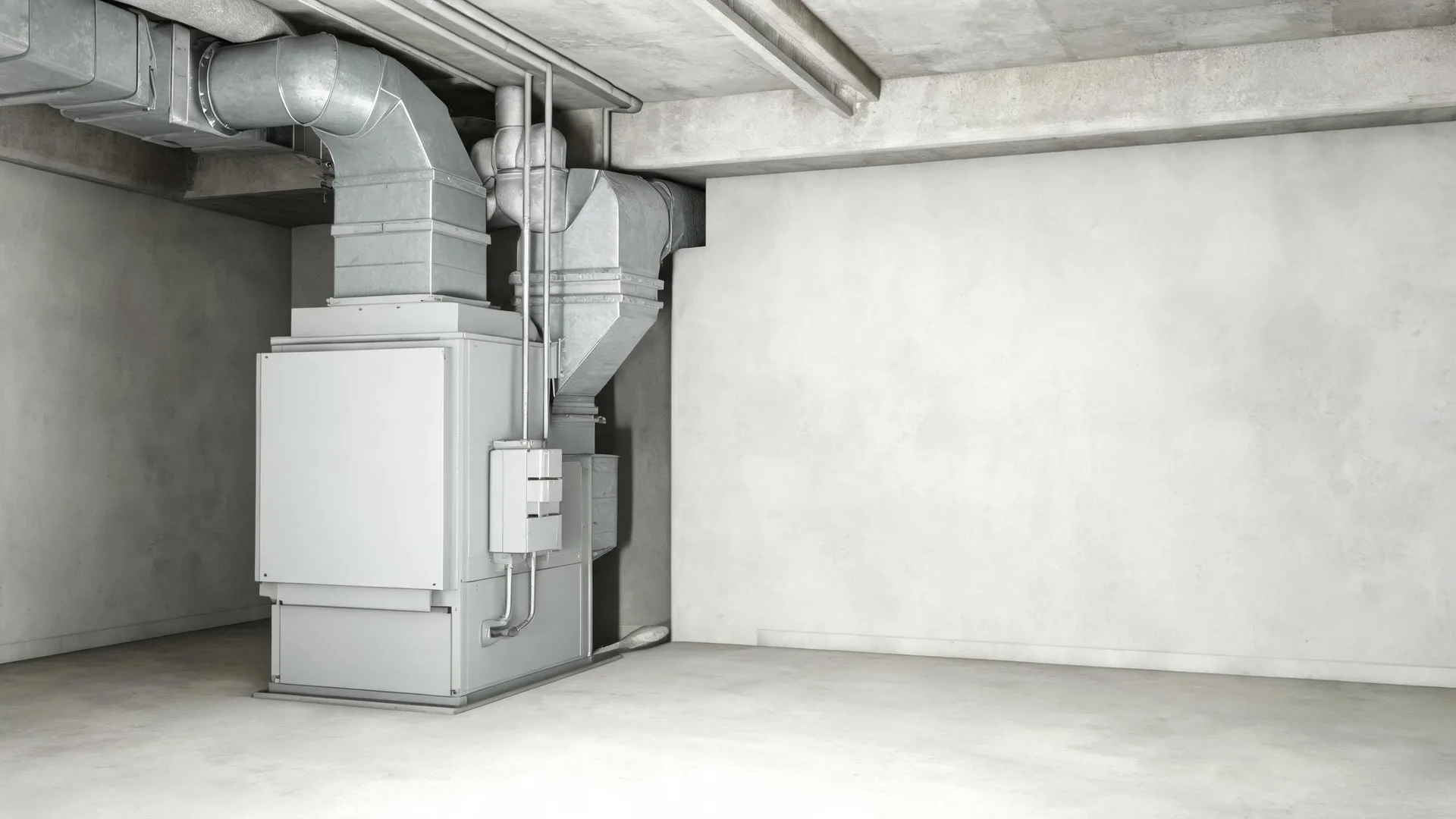
Nine months of heat a year
Furnaces in Pittsfield run from September through May, with overnight lows averaging 16°F in December, January and February. A new furnace here gets far less downtime than one installed in most other places.
Takes about a minute. No obligation.
Furnaces in Pittsfield run from September through May, with overnight lows averaging 16°F in December, January and February. A new furnace here gets far less downtime than one installed in most other places.
Berkshire County logged 51 winter storms between 2015 and 2024, heavy snow and ice among them. A furnace sized right for this house keeps up through those stretches. One sized wrong shows its limits on the coldest nights, not the mild ones.
NOAA nClimDiv, 1991–2020 normals
Half the homes in Berkshire County were built in 1956 or earlier.
A furnace going into a house that old has to match the ducts and the layout already there, not a generic spec sheet.


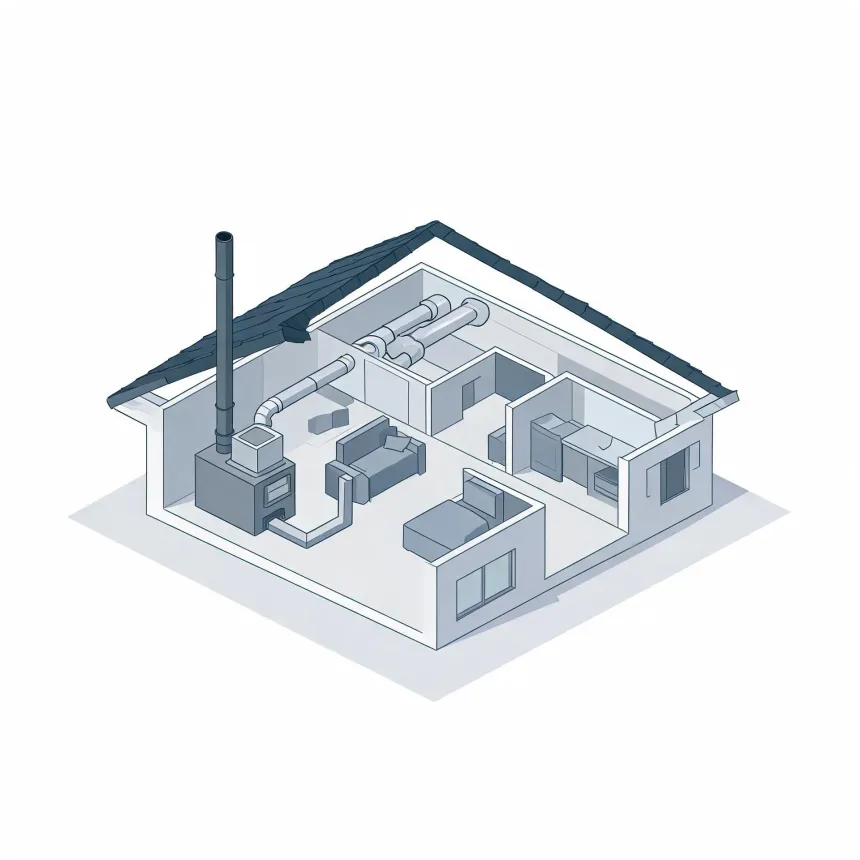
Utility gas heats 43.2% of occupied homes in Berkshire County, more than oil, electricity or propane. That's the fuel most furnace replacements here are matched to. A gas furnace needs a gas line already run to it, a vent for combustion exhaust, and in most cases a condensate line if it's a high-efficiency model. If gas already serves the house, swapping in a new furnace means connecting to what's there. If the home runs on oil or electric heat now, moving to gas means adding what a gas furnace needs, which is a bigger job than a straight replacement.
Heat here runs nine months, September through May. Put a new furnace in during August and it's working on your terms, not on the first cold night. Wait until the house needs it and you're picking a furnace in a hurry, from whatever's in stock.
Find a contractor
Ask whoever quotes the job to look at the ducts before they size anything. A furnace that moves too much air through old ductwork, or too little, will not heat the house evenly no matter what the label says. If your system came with the house, the ducts were laid out for whatever furnace was there first, and nothing since has likely changed that. The new furnace has to work with that layout, so the sizing starts there, not with a spec sheet.
An oversized furnace heats the house fast, shuts off, then fires up again soon after. That short cycling wears on the igniter and the blower motor, and the house still ends up with warm rooms and cold rooms because the air never runs long enough to even out. A furnace that's too small just runs without stopping on the coldest days and still can't catch up.
A contractor works out the right size with a room by room load calculation, not a chart based on square footage alone. It accounts for window area, ceiling height, insulation and how the rooms connect, since houses built differently can need different furnaces even at the same size. Skip that step and the install is a guess dressed up as a measurement.
Estimates for a typical Berkshire County home, from EIA household energy data, Massachusetts fuel prices and NOAA climate normals. Your home will differ.
The old furnace comes out first, along with the flue pipe and any wiring that won't be reused. If it's a gas furnace, the technician checks the gas line and shuts it off before disconnecting anything. The new unit gets set in place, leveled, and connected to the supply and return ducts, then to the gas line and vent. Electrical and the thermostat wire come next. Once it's hooked up, the technician checks for gas leaks, confirms the vent draws properly, and runs the furnace through a full cycle to check the flame, the airflow and the temperature rise. A high-efficiency furnace also needs its condensate line tested, since that unit produces water that has to drain somewhere. The job isn't done until the furnace has run a full heating cycle and everything reads the way it should.