




A gas furnace and sheet-metal air handler unit installed in an unfinished concrete basement.

Furnace Installation in Quincy, MA

Tell us about the job

Takes about a minute. No obligation.

New system or replacementFurnace or heatingNorfolk County, MA
Step 1 of 2

What ZIP code is the job in?

Natural gas ran $21.27 per million Btu across Massachusetts in 2024. That price lands on every therm your furnace burns all winter. An efficient furnace turns more of that gas into heat instead of sending it up the flue. A unit that wastes less gas costs less to run every single winter it's in your basement. When you're comparing furnaces, the efficiency rating deserves as much attention as the price tag.

8 months
October through May, your furnace is on duty
21°F
the average winter night it heats against
54%
of homes here heat with gas, so most furnaces here burn gas
80% AFUE
the federal minimum any new unit must meet
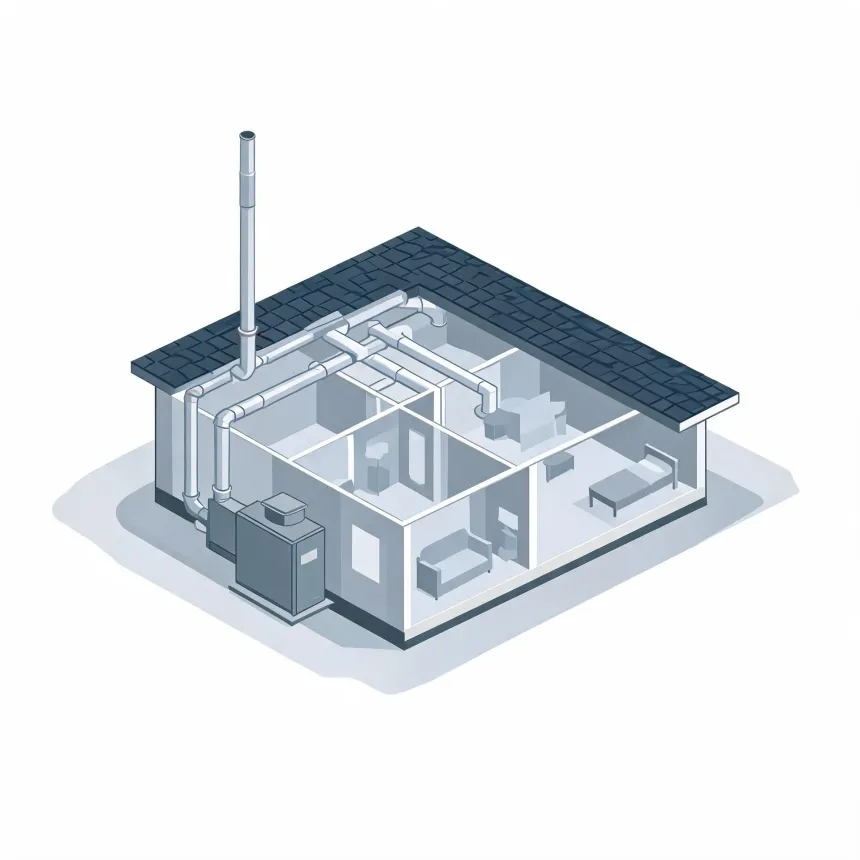
Isometric cutaway illustration of a single-story house with a dark shingled roof, showing interior rooms with furniture, a ducted air distribution system, a tall vertical flue pipe, and a gray furnace unit outside the wall.
Your furnace works hardest from November through March.

NOAA nClimDiv, 1991–2020 normals

Half the homes in Norfolk County were built in 1964 or earlier.

A furnace going into a house that old has to match the ductwork and layout already there, not some standard box.

Heat starts in October here. Get the new furnace in during September.

Heat runs October through May
Climate zone 5A
Winter nights average 21°F

Norfolk County gets its share of rough weather, including 87 winter storms between 2015 and 2024. None of that changes what furnace you need. A standard furnace, sized right for your house, handles a Nor'easter the same way it handles an ordinary cold night. The one thing worth planning around is the power. A gas furnace still needs electricity to run its blower and controls, so a storm that knocks out power will stop it no matter how good the furnace is. If outages are common where you live, that's a conversation about backup power, not about buying something bigger or fancier.

Most homes here already run on gas. Yours probably can stay that way.

More than half the furnaces in Norfolk County run on gas, and if that's what you have now, putting in another gas furnace means the gas line, the venting and the layout are already there. That's one less thing to work out before winter.

Find a contractor
A gray residential gas furnace installed in an unfinished basement, surrounded by ductwork, a metal flue pipe, and a gas supply line.

Half these homes were built in 1964 or earlier. Size the furnace to fit what's already there

Have the contractor walk the existing ductwork before they size anything. A house built in that era already has its duct runs and register layout in place, built around whatever furnace was there before. The new furnace has to connect to that, not replace it. Sizing off the square footage alone, without checking what it has to tie into, is how you end up with a furnace fighting the ductwork instead of working with it.

Ask for a load calculation, not a guess

A contractor should measure the house room by room before naming a furnace size, checking windows, insulation and layout rather than pricing off square footage alone. A furnace sized too big cycles on and off more than it should, which wears the heat exchanger faster and leaves rooms uneven. One sized right runs longer, steadier cycles and heats the house evenly.

Ask what happens to the old venting

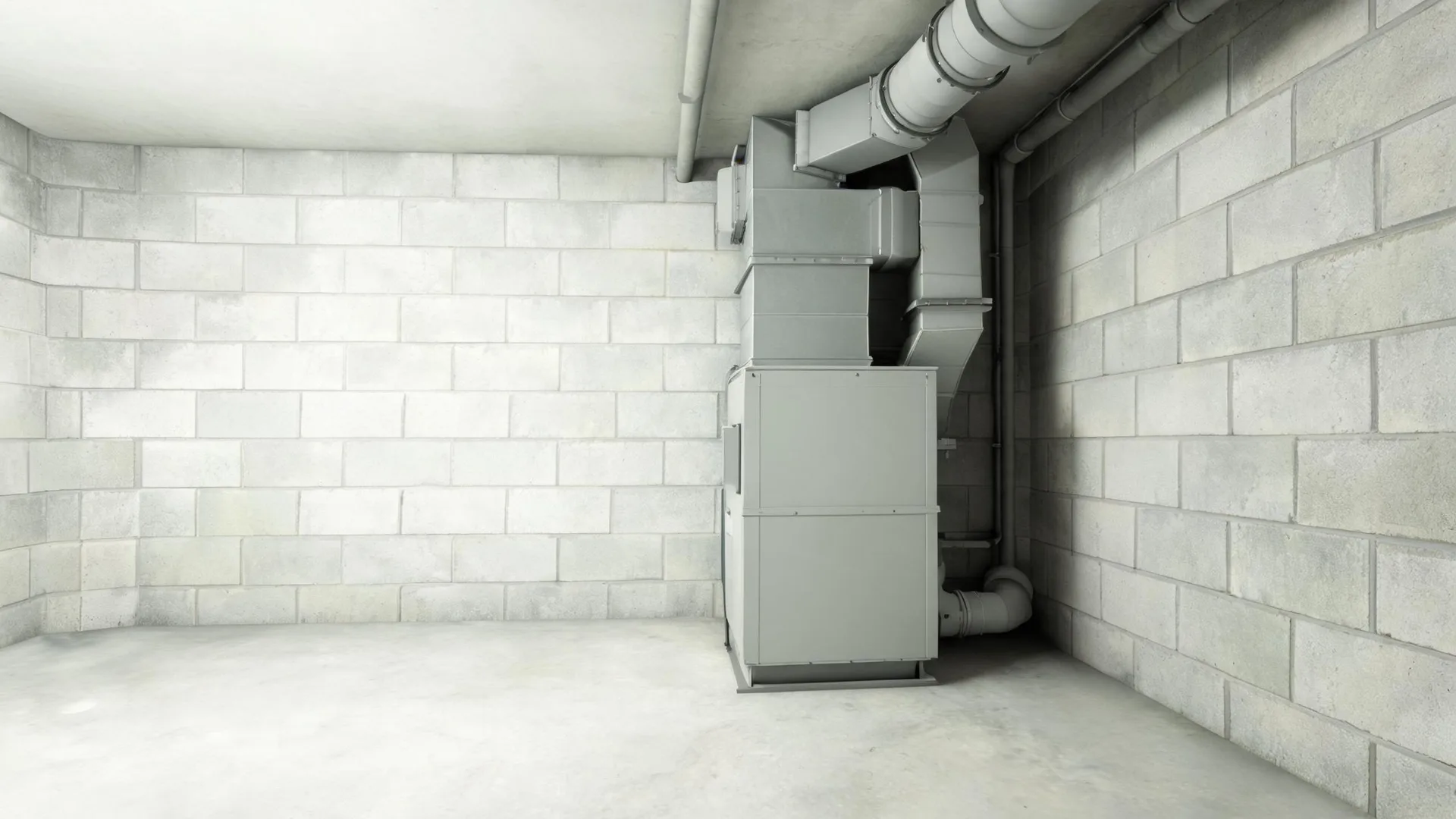
A higher efficiency furnace pulls less heat up the flue, and that changes what the exhaust needs to run through. Some furnaces vent through the existing chimney liner. Others need a new PVC vent run through a wall or the roof. Find out which one you're getting before installation day, since that affects where the furnace can go and what else gets touched in the house.

An unfinished basement containing a forced-air furnace with metal ductwork, exposed wooden ceiling joists, a hanging Edison bulb, and bare concrete floors.

A high-efficiency gas furnace would save about $170 a year to run in Norfolk County compared with a gas furnace.

  • A high-efficiency gas furnace$810 a year
  • A gas furnace$980 a year

Estimates for a typical Norfolk County home, from EIA household energy data, Massachusetts fuel prices and NOAA climate normals. Your home will differ.

Installation day starts with the old furnace coming out. That takes a few hours once the gas line, venting and ductwork are disconnected from it. The new furnace gets set in place, then the work is mostly connections. Gas line, vent, return and supply ducts, a condensate line if it's a high efficiency model, and the electrical for the blower and controls. Whoever's doing the work should pressure test the gas line and check the venting before closing anything up. A leak or a bad vent connection is dangerous in a way most other mistakes aren't. Expect the house to be without heat for stretches of the day while the old unit comes out and the new one gets tied in. Before anyone leaves, the furnace should run through a full cycle while the technician checks the flame, the airflow at the registers, and the gas pressure and temperature rise. Ask to see those readings instead of just being told it's working.