A weathered white picket fence runs along a mown grass lawn in front of a row of gabled houses with gray shingled roofs and siding, backed by large leafy trees.

Furnace Installation in Brockton, MA

Tell us about the job

Takes about a minute. No obligation.

New system or replacementFurnace or heatingPlymouth County, MA
Step 1 of 2

What ZIP code is the job in?

Eight months of heat a year

Furnaces in Brockton run October through May, with overnight lows averaging 23°F in December, January and February. That's most of the year spent cycling on and off to hold a house warm against real cold, not a mild shoulder season.


Size it for the load it will carry

A furnace sized for an easier climate will short cycle or run long and still fall behind on the coldest nights. Get the new system sized to this house and this cold, not to whatever was installed last time.

8 months
October through May, your furnace is on duty
23°F
the average winter night it heats against
80% AFUE
the federal minimum any new unit must meet
Isometric cutaway illustration of a single-story house with a dark shingled roof, showing interior rooms with beds and furniture, overhead ductwork, and a gray furnace with a tall flue pipe at the exterior wall.
Your furnace works hardest from November through March.

NOAA nClimDiv, 1991–2020 normals

Half the homes in Plymouth County were built in 1971 or earlier.

A furnace going into a house that old needs to fit what that house needs, not a generic box swap.

Eight months of heat start in October. Get the new furnace in before then.

Heat runs October through May
Climate zone 5A
Winter nights average 23°F
What heats BrocktonUtility gas heats 46.9% of homes in Plymouth County, more than any other fuel.

A standard furnace, sized right for the house, is the correct call here. Nothing about Brockton pushes you toward a bigger unit or a pricier efficiency tier than you'd pick anywhere else in the state. Natural gas ran $21.27 per million Btu across Massachusetts in 2024, and that cost doesn't change by county, so a higher-efficiency furnace saves the same amount here as it would anywhere else. The decision comes down to the unit's price and what it's replacing, not anything particular to Brockton. Get the size matched to the house and the cold it has to beat. Beyond that, there's no local reason to pay for more than that.

Size it for how hard it works here

A new system here will work harder than most, every year. Size it right and don't buy on price alone.

Find a contractor
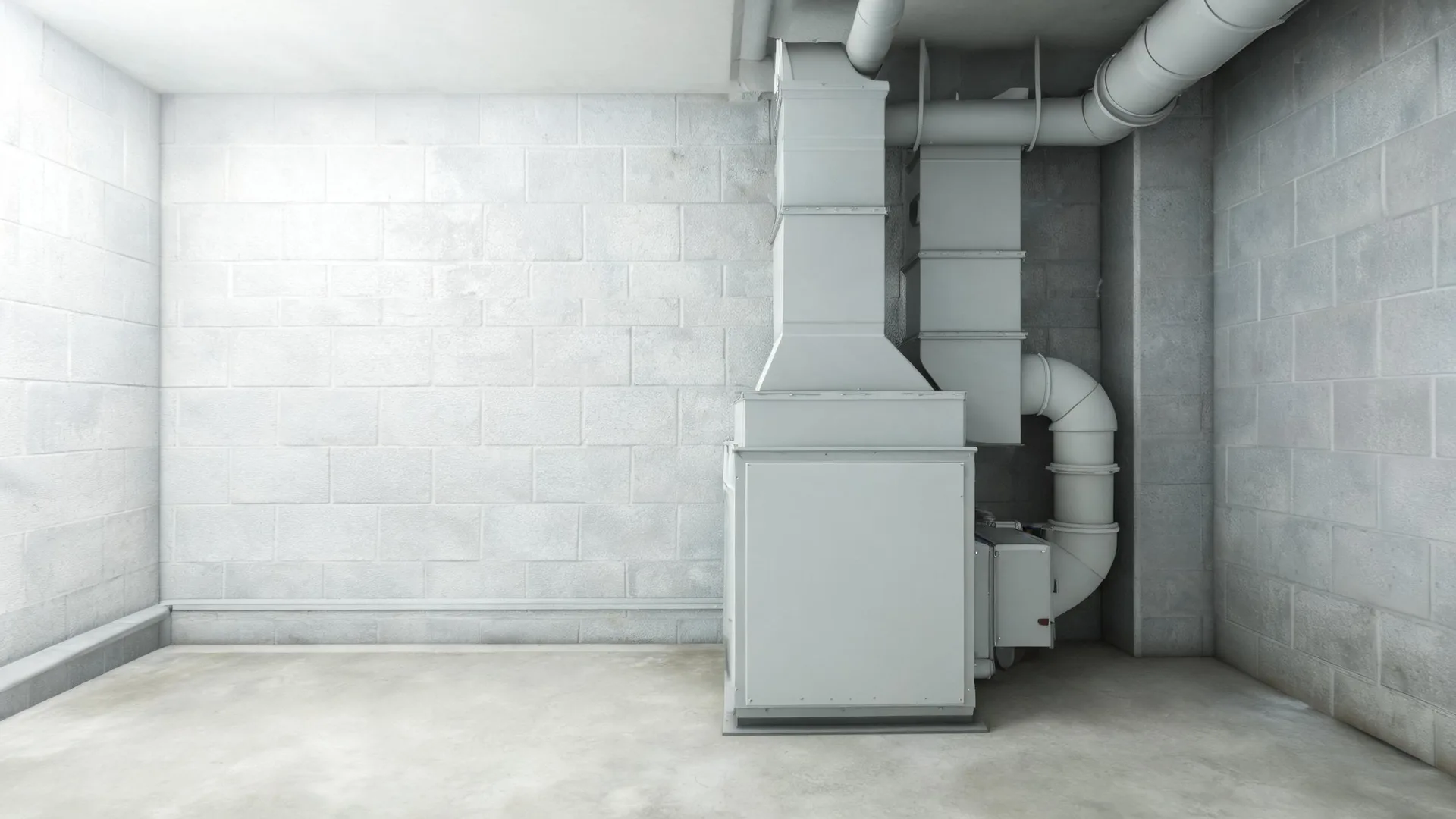
A gas furnace with attached ductwork, gas piping, and condensate lines installed in a concrete-block basement.

Size it to the house standing there now

Ask whoever quotes this job to walk the house before they quote a size. A furnace built around what the house looked like when it went in won't match a house that's been added onto, had a basement finished, or gotten new windows since. None of that shows up in a box swap. It shows up in a load calculation done on the house as it stands now.

The ductwork decides more than the furnace does

If the ducts are too small or too leaky for the new unit's airflow, a contractor has to account for that before the furnace matters. Sealing joints, adding a return, or resizing a trunk line costs more than the furnace swap itself in some houses and nothing at all in others.

Venting changes the job, not just the price

A higher-efficiency furnace vents through PVC pipe run to an exterior wall instead of up a chimney. Where that pipe can run, how far, and whether the old flue gets capped or reused all change what the installer has to do on site, separate from the cost of the unit itself.

An empty unfinished basement containing a forced-air furnace with overhead ductwork, exposed ceiling joists, and a single hanging light bulb.

A high-efficiency gas furnace would save about $160 a year to run in Plymouth County compared with a gas furnace.

  • A high-efficiency gas furnace$780 a year
  • A gas furnace$940 a year

Estimates for a typical Plymouth County home, from EIA household energy data, Massachusetts fuel prices and NOAA climate normals. Your home will differ.

Installation day starts with the old furnace coming out, not the new one going in. The installer disconnects the gas line, the vent connection, the ductwork boot, and the wiring to the thermostat, then clears the unit out before anything new goes in its place. The new furnace gets set and leveled, because a unit sitting out of level can affect how the burners fire and how condensate drains if it's a high-efficiency model. Gas line, vent pipe, ductwork and electrical all get connected fresh, and each one gets checked on its own before the whole system runs together. Once it's hooked up, the installer runs the furnace through a full cycle, checking gas pressure, flame, airflow and temperature rise against what the manufacturer specifies for that model. The last step is combustion testing, reading the flue gas to confirm the furnace is burning clean and venting correctly before anyone calls the job done.