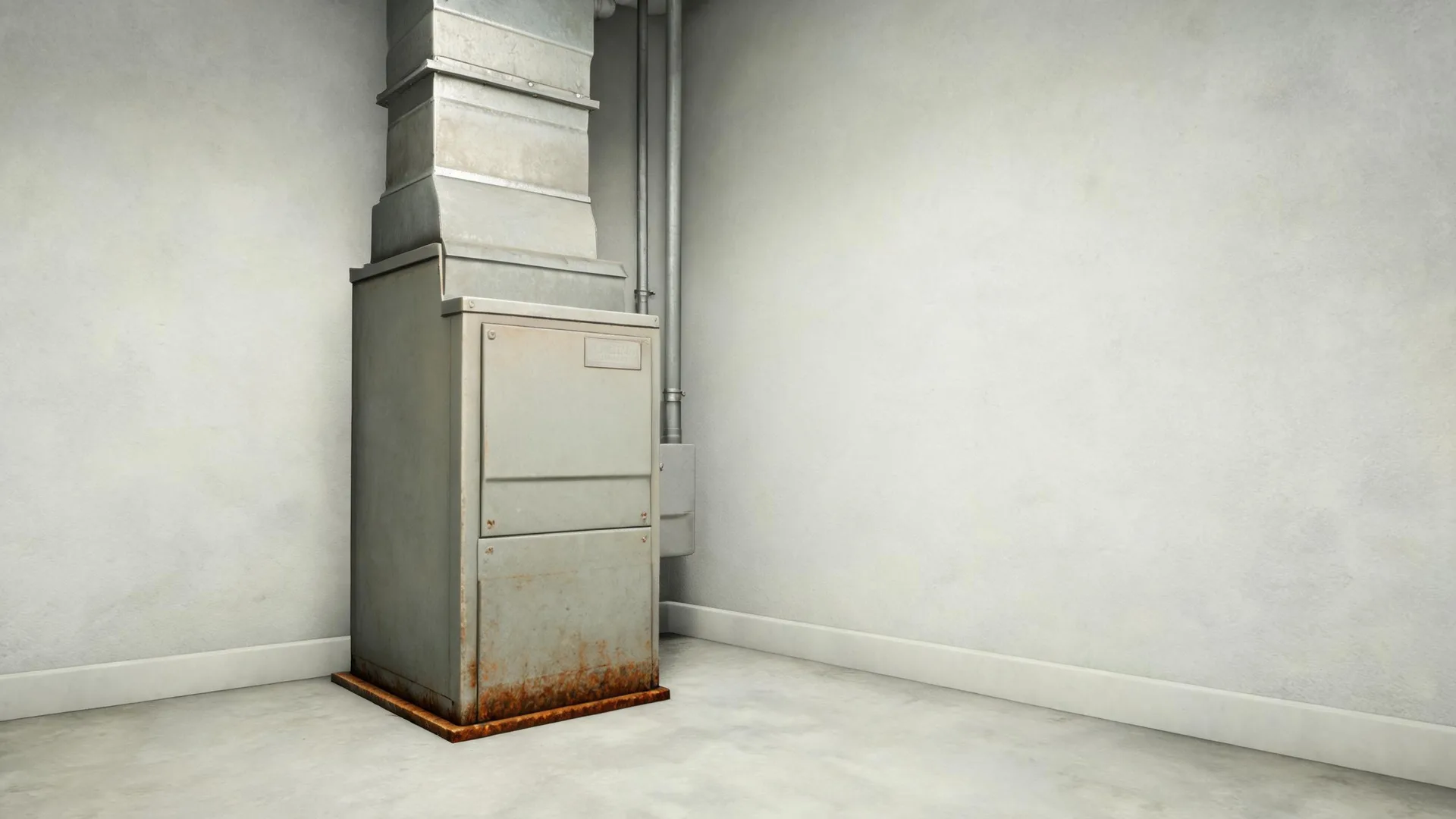
Half the homes here were built in 1956 or earlier
Berkshire County is old housing stock. A furnace in a house that age has likely been swapped out once already, maybe more, depending on what the last owner did.
Takes about a minute. No obligation.
Berkshire County is old housing stock. A furnace in a house that age has likely been swapped out once already, maybe more, depending on what the last owner did.
If your furnace could be original to the house, a cracked heat exchanger or a failed control board might not be worth fixing. Ask the technician how many years the unit has left before you put money into a major part.
NOAA nClimDiv, 1991–2020 normals
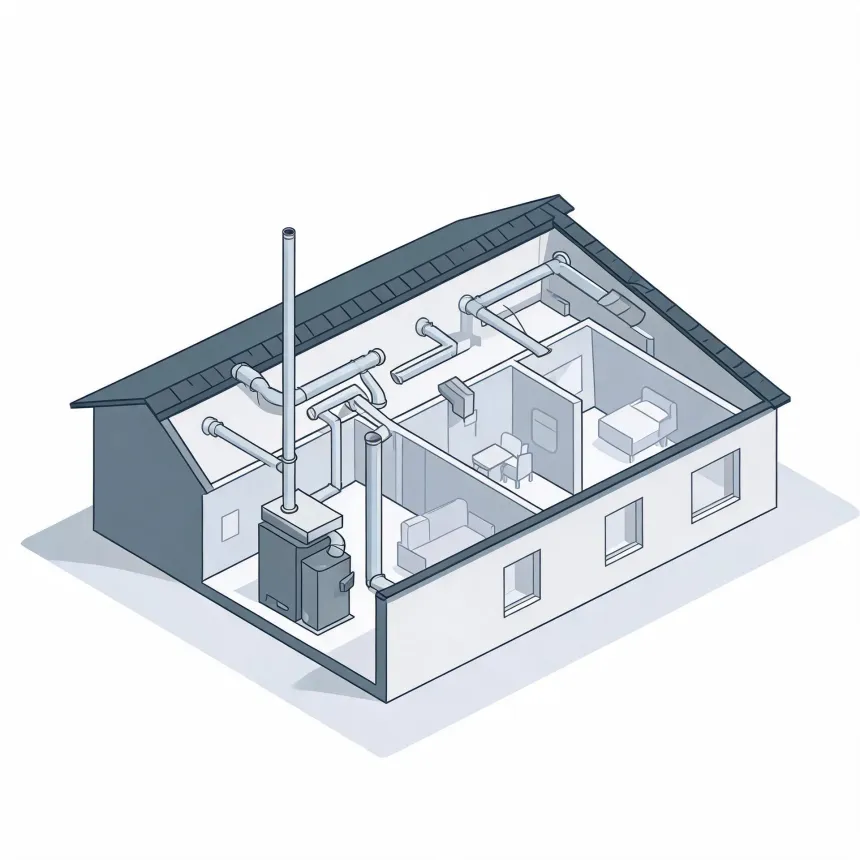
A diagnostic traces the fault from the thermostat call all the way to the failed part.
Finding that part is what tells you whether this is a repair or the start of a replacement conversation.




August is a good time to get a furnace looked at here, before heat season starts in September. A part that's been weak since last winter doesn't announce itself while it's sitting idle all summer. It shows up the first cold week, when the furnace is running long cycles to catch up. By then you're troubleshooting in the cold instead of ahead of it. Heat runs here from September through May, nine months straight, which is a long stretch to find out partway through that the igniter was already on its way out.
Ask the technician straight out how many years are left in this furnace. If it's near the end, a cracked heat exchanger or a failed control board may not be worth paying for. That answer is what decides whether this call is a repair or the start of planning a replacement.
Find a contractor
Before anyone comes out, check the simple things first. Make sure the thermostat is set to heat and set above room temperature, and check it has power or fresh batteries if it runs on a display. Go to the breaker box and look for a tripped breaker on the furnace circuit. Most furnaces also have a shutoff switch nearby that looks like a regular light switch, and those get bumped off more than people expect, especially if the furnace sits near a door to the garage or outside. Pull the filter and hold it up to a light. If you can't see light through it, airflow is choked off, and some furnaces will shut themselves down rather than run that way. A clean filter is a couple minutes of work and nothing more. Walk the house and check that vents in each room are open and not blocked by furniture, since closed vents make the furnace push against itself. If the furnace has a standing pilot, look for the small flame through the viewing window. If it's out, there's usually a relight procedure printed right on the panel. None of this fixes anything. It just clears away the easy reasons a furnace stops, so whoever comes out is working on the real problem from the start.
A furnace that fires, runs a couple minutes, and shuts off before the house warms up is tripping a safety switch somewhere along the line. A dirty flame sensor, a clogged filter restricting airflow, or a cracked heat exchanger can all cause this. It is not something to wait out, since short cycling puts extra wear on the igniter and the blower motor every time it happens.
A healthy gas flame burns blue and steady. If it is flickering yellow, or you see soot around the burner compartment, the gas is not burning clean and carbon monoxide may be getting into the air instead of going out the vent. Shut the furnace off and get it looked at before running it again. This is one sign that is not a wait and see.
Estimates for a typical Berkshire County home, compared with an older unit built to the previous federal minimum, from EIA household energy data, Massachusetts fuel prices and NOAA climate normals. Your home will differ.
Repair makes sense when one part has failed and the heat exchanger is sound.
Replacement makes sense when the heat exchanger is cracked or the furnace keeps needing parts.
A repair makes sense when the failed part is a small piece of a bigger system that's otherwise sound. An igniter, a flame sensor, a pressure switch, these fail on their own without taking the rest of the furnace down with them. Swap the part and the furnace runs like it did before. The harder calls are the heat exchanger and the control board, because those sit at the center of everything else and cost enough that you have to ask what's left in the unit worth protecting. A furnace that keeps coming back for repairs, one thing after another, is telling you something even if each fix was small on its own. Ask what failed, not just whether it can be fixed, and you'll have a better sense of whether you're buying years back or just buying time.