




An unfinished concrete basement containing a gas furnace with sheet-metal ductwork, utility shelving, and exposed overhead joists.

Furnace Repair in Lynn, MA

Tell us about the job

Takes about a minute. No obligation.

RepairFurnace or heatingEssex County, MA
Step 1 of 2

What ZIP code is the job in?

Furnaces in Lynn run from October through May, about eight months of the year. Overnight lows average 21°F through December, January and February, and the furnace is what keeps that out. That kind of runtime wears on an igniter or a blower motor faster than it would somewhere milder. Add in the storms this county sees, ice and heavy snow most winters, and a furnace here rarely gets an easy season. If yours is making noise, short cycling, or not keeping up, that's usually the load catching up with the equipment. Worth having someone look at what's actually going on before it fails on the coldest night.

8 months
October through May, your furnace is on duty
21°F
the average winter night it heats against
56%
of homes here heat with gas, so most furnaces here burn gas
54 winter storms
in ten years, the nights a failure hurts most
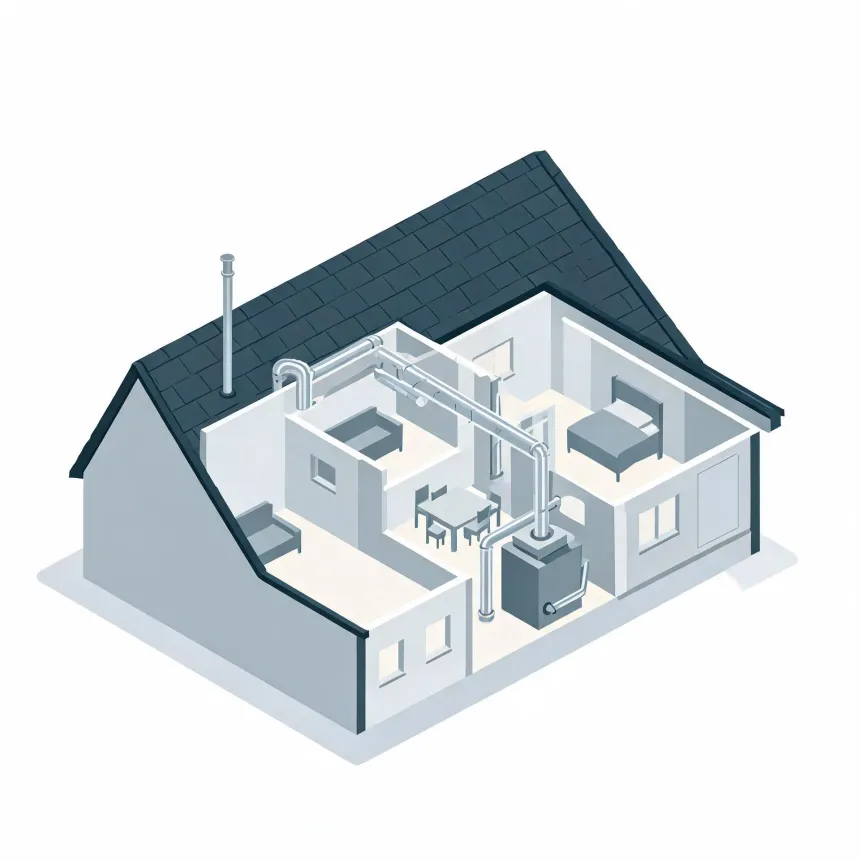
Isometric cutaway illustration of a single-story house with a dark shingled roof, showing interior rooms with furniture and a ducted furnace unit connected to metal ductwork and a roof flue.
Your furnace works hardest from November through March.

NOAA nClimDiv, 1991–2020 normals

Half the homes in Essex County were built in 1960 or earlier.

A furnace that came with a house that old is worth asking about before it fails.

September is when a weak furnace gets found out

Heat runs October through May
Climate zone 5A
Winter nights average 21°F

Natural gas ran $21.27 per million Btu in Massachusetts last year, among the higher prices in the country. A furnace running on a cracked heat exchanger or a dirty burner isn't using that gas efficiently. It's burning more of it to make the same heat, every month it stays broken. That cost doesn't show up until the bill does. Getting the problem looked at now is cheaper than paying to run a furnace that's working against itself.

This is a normal furnace problem with a normal fix

Essex County sees its share of winter storms and wind, same as the rest of New England. Nothing about that is unusual for a furnace. What it means is that when yours goes out, the fix is almost always the ordinary one, a dirty burner, a failed igniter, a part worn down by a normal winter. Get it looked at and get it working again.

Find a contractor
A gray residential gas furnace installed in an unfinished basement, surrounded by ductwork, a metal flue pipe, and a gas supply line.

Ask how old it is before you pay to fix it

If your furnace came with the house, ask the tech for its age before they start on the repair. A furnace that old has likely been replaced at some point, but there's no way to know that from the street. If this repair is a big one, that age is what tells you whether to pay for the fix or put that money toward a new unit instead.

Most calls trace back to the igniter or the flame sensor

The igniter has to get hot enough to light the gas, and it weakens a little every time it cycles. Eventually it stops lighting the burner at all. The flame sensor has a similar job. It reads whether a flame caught, and if it's coated with residue it can't tell, so the furnace shuts itself off as a safety measure. Both are common failures and neither means the furnace itself is in bad shape.

A blower motor or a clogged filter can look like the same problem

If air isn't moving through the house, it's not always the furnace failing to make heat. A blower motor can wear out and stop pushing air. A filter packed with dust can choke that airflow down to almost nothing. A tech checks both before assuming the problem is bigger than it is, since either one is a straightforward fix compared to something failing inside the furnace itself.

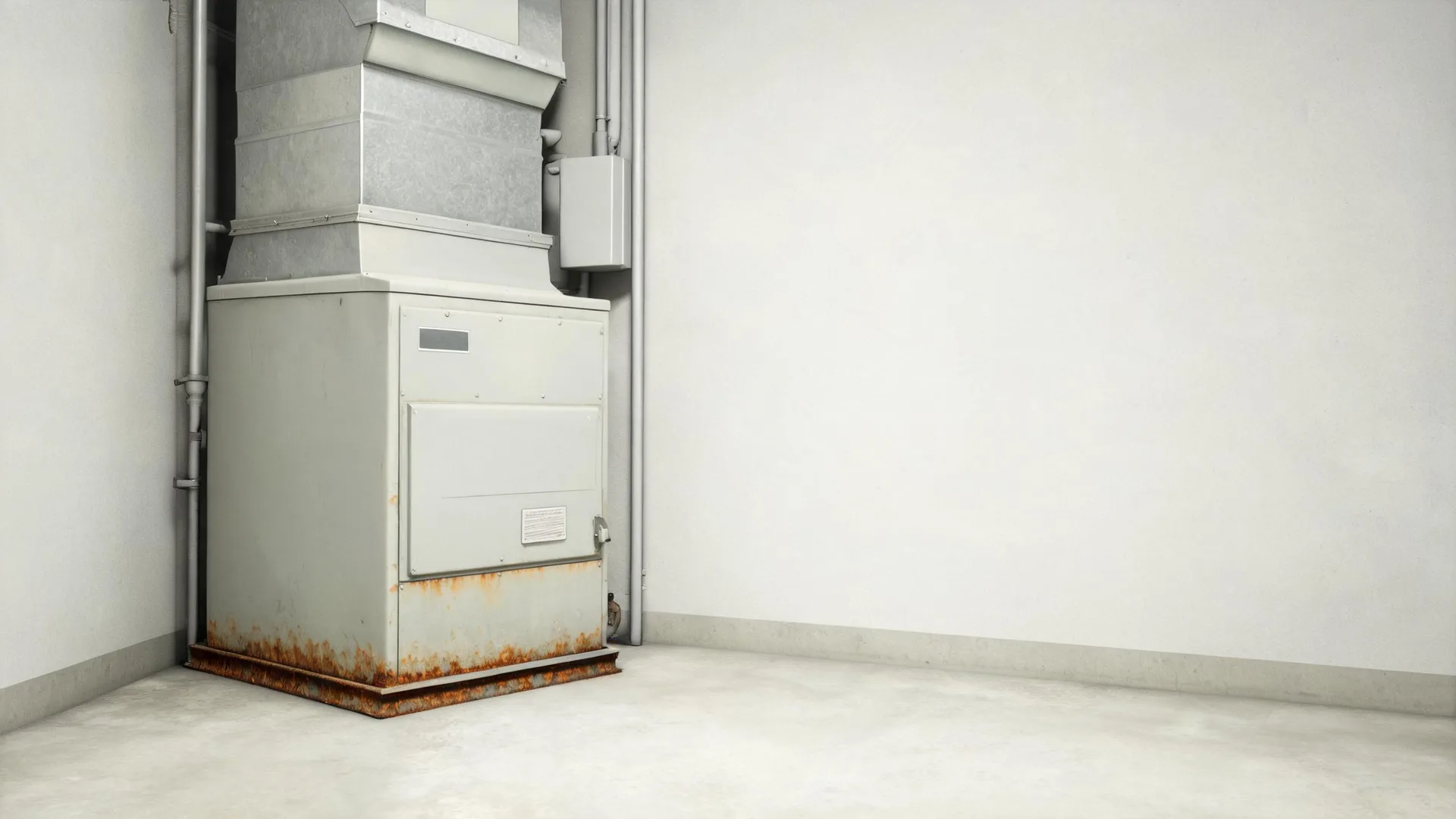
An unfinished basement containing a gray HVAC furnace with ductwork, exposed wooden joists, a concrete floor, and miscellaneous clutter in one corner.

A new furnace would cut about $210 a year off heating for a typical Essex County home.

  • A new high-efficiency furnace$840 a year
  • An older furnace$1,050 a year

Estimates for a typical Essex County home, compared with an older unit built to the previous federal minimum, from EIA household energy data, Massachusetts fuel prices and NOAA climate normals. Your home will differ.

Repair makes sense when one part has failed and the heat exchanger is sound.

Replacement makes sense when the heat exchanger is cracked or the furnace keeps needing parts.

A diagnostic visit starts with questions, not tools. The tech asks what the furnace is doing, when it started, and whether it's constant or comes and goes. A furnace that won't start at all points somewhere different than one that starts and quits partway through. From there it's testing in order. Power to the unit first, then the thermostat signal, then the igniter or pilot, the flame sensor, the pressure switch. Each test rules something out before moving to the next. A multimeter checks whether a part is actually getting the voltage it needs, rather than guessing from how it looks or sounds. The burner flame itself says a lot too. A steady blue flame means clean combustion. A yellow or flickering one points to a burner that needs cleaning or an airflow problem feeding it. Once the tech finds the part that's actually failing, they'll explain what it does and why it failed before touching anything else.