An unfinished basement featuring exposed ceiling joists, a metal HVAC unit with round ductwork, a hanging light bulb, and scattered boxes and debris along the left wall.

Furnace Repair in Greenfield, MA

Tell us about the job

Takes about a minute. No obligation.

RepairFurnace or heatingFranklin County, MA
Step 1 of 2

What ZIP code is the job in?

Short cycling wears out the parts that start it

A furnace that fires up, runs a few minutes, then shuts off and starts again is working the igniter and blower motor far harder than they're built for. Left alone, the parts that handle the startup load are usually the first to fail for good.

A yellow or flickering burner flame means stop using it

The burner flame should be steady and blue. Yellow, flickering, or a flame that lifts off the burner points to incomplete combustion, which can mean carbon monoxide in the exhaust. This isn't a wait and see sign. It needs a technician before the furnace runs again.

8 months
October through May, your furnace is on duty
17°F
the average winter night it heats against
59 winter storms
in ten years, the nights a failure hurts most
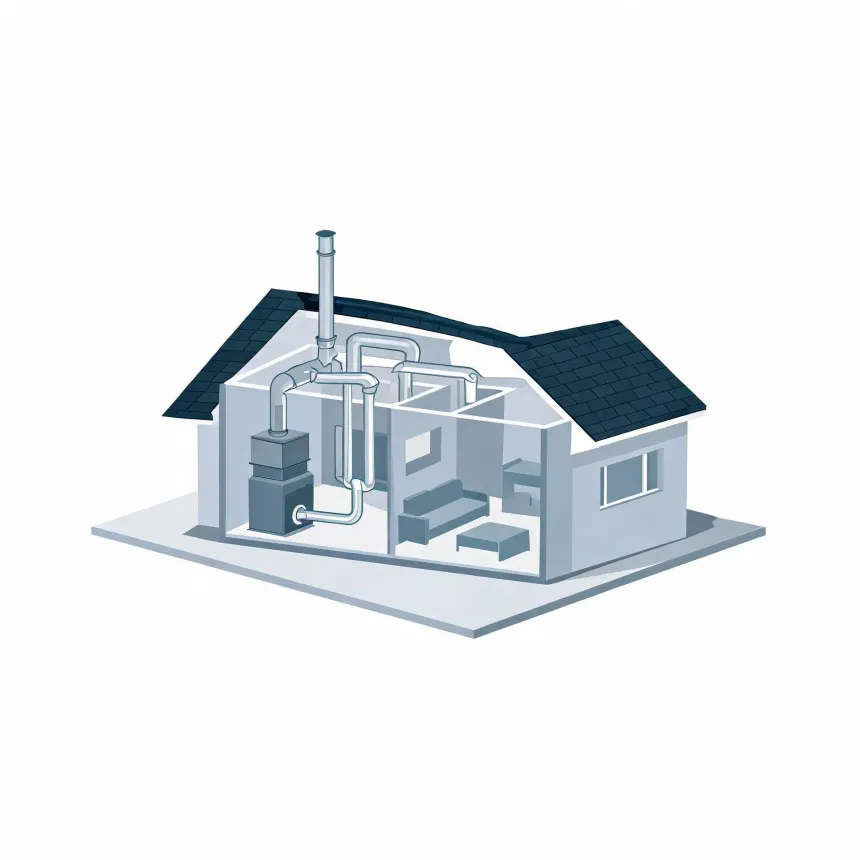
Isometric illustration of a cutaway single-story house showing a gray furnace unit, connected ductwork, and a vertical flue extending above the dark shingled roof.
Your furnace works hardest from November through March.

NOAA nClimDiv, 1991–2020 normals

Oil in Massachusetts ran $23.29 per million Btu in 2024.

A furnace that's short cycling or burning dirty is wasting that oil every time it fires.

October is when a weak furnace shows it

Heat runs October through May
Winter nights average 17°F
59 winter storms from 2015 to 2024

Half the homes in Greenfield were built in 1962 or earlier. If yours is one of them, the furnace may not be the original one, but if it came with the house or hasn't been swapped out since, it's worth finding out how much life is left in it. Short cycling and a bad flame matter at any age, but on an older unit they're often the first sign the whole thing is wearing out at once, not just one part. A repair on a furnace that old is still worth doing if it holds up afterward. Ask the technician straight out whether this is a fix that lasts or one that just buys a season.

This furnace needs a repair, not a reason

Franklin County sees its share of winter storms, 59 of them over the past ten years, but that's weather, not a reason this furnace is struggling. Short cycling and a bad flame come from worn parts or a dirty burner, the same as they would anywhere else. Get it looked at and fixed on its own terms.

Find a contractor
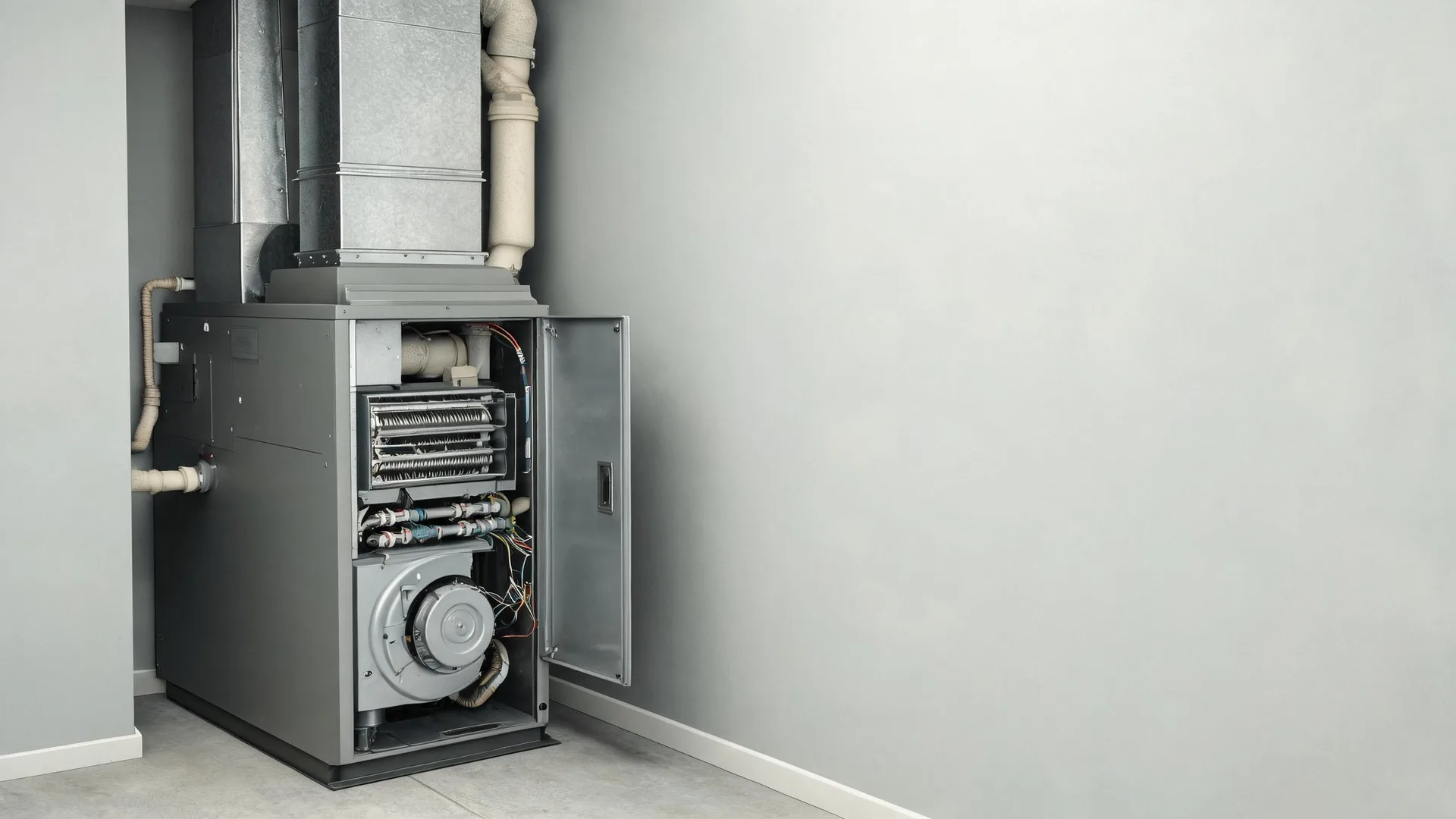
A gray high-efficiency gas furnace installed in an unfinished basement, surrounded by gas lines, a condensate drain, and sheet-metal ductwork.

Eight months of firing a year wears the startup parts first

Furnaces in Greenfield run about eight months a year, October through May, with overnight lows averaging 17°F in December and January. That's a long season of hard, steady firing, not occasional bursts. Parts that start the burner and move the air are working through most of the year, and the ones already struggling, a weak igniter or a dirty burner, don't get much of a break to show it slowly. They show it now.

Check the thermostat and the filter first

Make sure the thermostat is set to heat and the setting is above room temperature. Then pull the filter and hold it up to a light. If light barely gets through, replace it. A clogged filter starves the burner of air and can bring on the short cycling and bad flame described above.

Look at the switches before you call

Find the furnace's power switch, often on or near the unit itself, and confirm it's on. Check the breaker it's wired to. If the furnace uses a standing pilot, see whether the pilot light is lit. None of this fixes a bad igniter or a dirty burner, but it rules out the simple stuff first.

Most furnace failures trace back to a handful of parts that do the hardest work. The igniter takes the most abuse because it fires every single cycle, and like any heating element it eventually wears thin and breaks. The flame sensor sits right in the burner flame and corrodes over time, and once it's coated enough it can't tell the control board the flame is lit, so the furnace shuts itself down as a safety measure. The blower motor runs for hours at a stretch moving air through the house, and its bearings wear the same way any motor's do with enough runtime. A dirty burner or clogged flue can starve the flame of air or block the exhaust, which shows up as poor combustion long before anything stops working outright. None of these fail because a furnace is old on paper. They fail from the cycles and hours actually put on them.

A diagnostic visit starts before the panels come off. The technician asks what the furnace is doing, when it started, and whether anything changed right before it did. Then the cover comes off and the burner gets watched through a full cycle, because a flame that looks fine at ignition can roll or lift a minute in. Flame sensor and igniter get pulled and checked, not just looked at, since corrosion on a sensor can be hard to see but easy to measure. The blower gets checked for play in the bearings and for the amp draw it's pulling, which tells you if it's straining. Gas pressure gets tested at the valve rather than guessed at. By the end you should have a part named, not a guess, and a straight answer on whether it's a quick fix or the start of bigger problems.