


What winter here does to a heat pump
Your winter low here averages 17°F, and that's the number that matters most in this choice. A standard heat pump starts losing heating capacity below 40°F and often needs backup heat below about 35°F. At 17°F, you're past both marks, and so is every night here that drops to freezing or below, which is more than half the nights across the eight months you'll run heat.
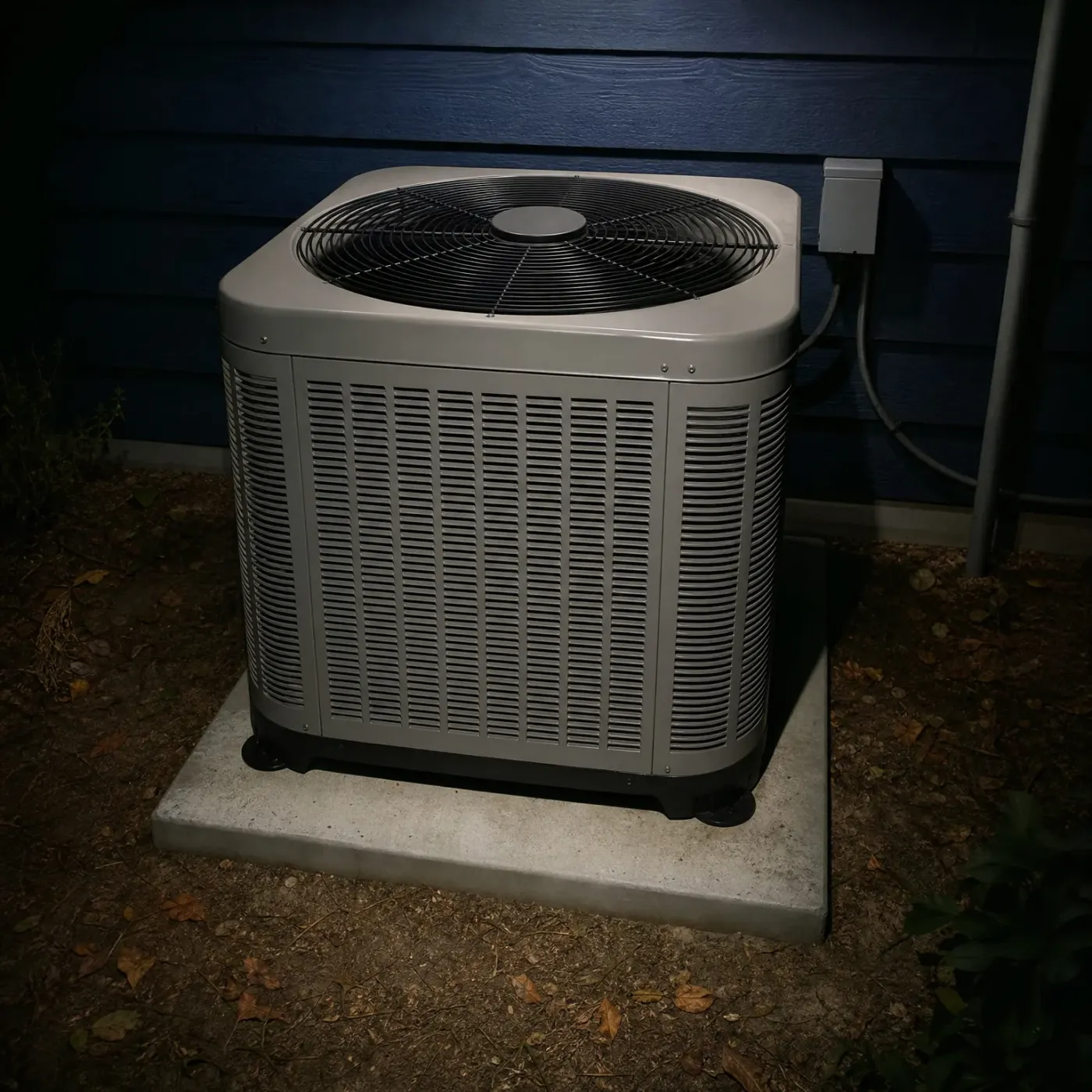
That doesn't mean a heat pump leaves you cold. It means it needs help on the coldest nights, and how much help depends on the unit. If you're looking at a heat pump, ask specifically about the ENERGY STAR Cold Climate rating. To earn it, a unit has to deliver at least 1.75 units of heat per unit of electricity at 5°F and hold onto 70 percent of its 47°F capacity at that temperature, checked by outside testing, not the manufacturer's own numbers. A unit without that rating is the kind built to the federal minimum, the kind that struggles once you're in the teens.
A two-winter study of cold-climate heat pumps in real homes found backup heat carried only a small share of the load between 0°F and 35°F, and the unit running on backup alone was rare even above 0°F. Franklin County only sees about 10 nights a year at 0°F or colder. So a cold-climate unit is built for almost exactly the weather you have. A standard one is not.