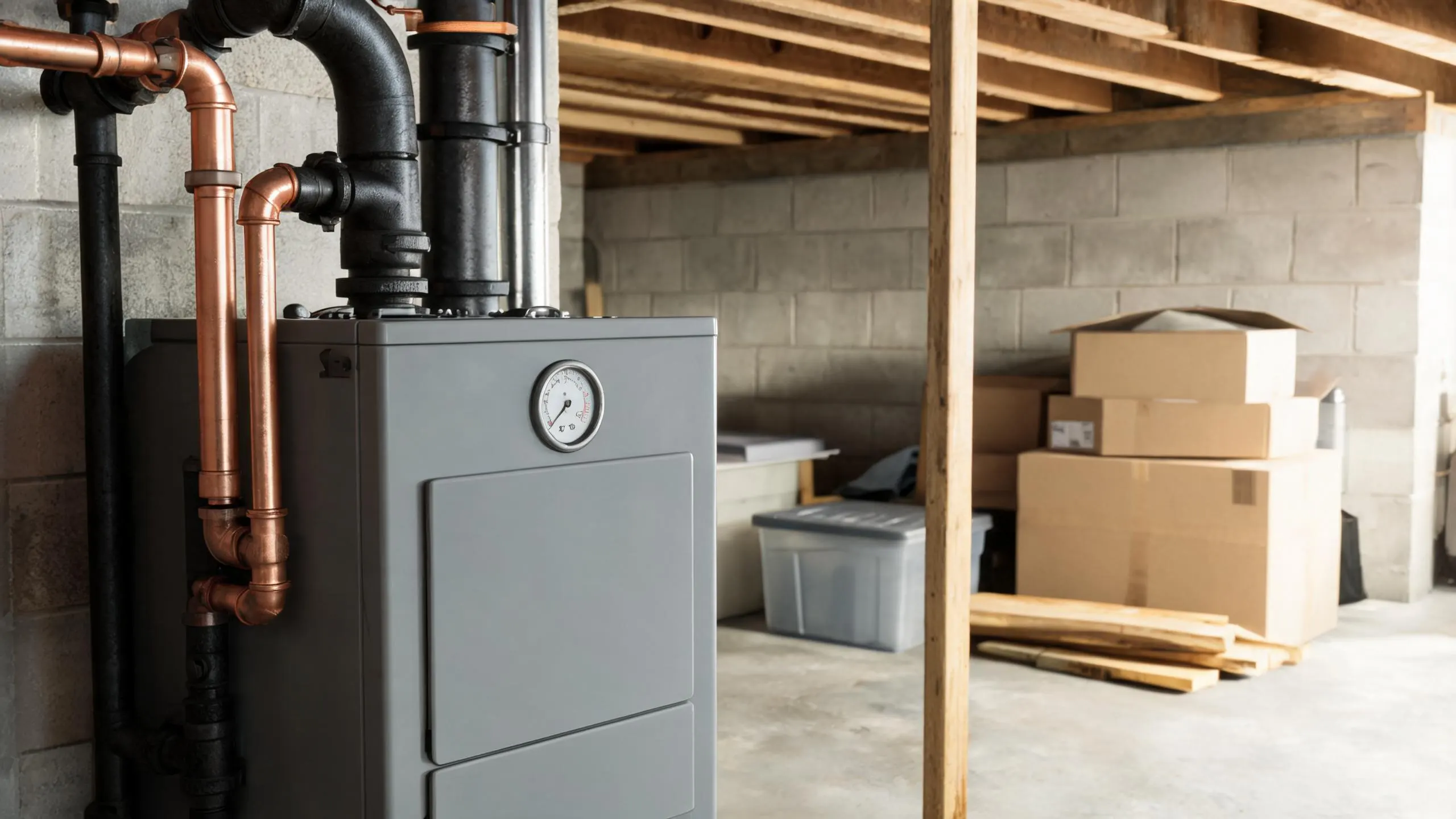




A gray boiler with copper and black piping mounted against a concrete block wall in an unfinished basement.

Boiler Repair in Quincy, MA

Tell us about the job

Takes about a minute. No obligation.

RepairBoilerNorfolk County, MA
Step 1 of 2

What ZIP code is the job in?

Half the homes in Norfolk County were built in 1964 or earlier. A boiler that came with a house that age has likely been repaired more than once already. If yours is original to the house, ask whoever comes out how many years it has left before you commit to another repair. Sometimes the fix is small and worth doing. Other times the boiler is already past what it should have given you, and the next repair just delays the same decision.

Boilers in Quincy run from October through May, close to eight months straight.

Winter nights here average 21°F, so this boiler doesn't get an easy stretch to rest and recover from small problems.

A boiler that's struggling costs more to run here than almost anywhere

Heat runs October through May
Winter nights average 21°F
87 winter storms from 2015 to 2024

Eight months of runtime and nights averaging 21°F don't leave much room for a small problem to stay small. A boiler that's cycling on a crack or firing through a bad igniter is doing it on every run, not once in a while. That's why a diagnostic visit matters more than a guess at what's wrong. Someone who checks the pressure, the water, and the flame can tell you whether this is a part worth replacing or a sign the boiler is done giving you good runs. Fixed wrong, or fixed without knowing the cause, the same problem is back before the season's over.

The first cold week in Quincy finds whatever was already wrong

October is when heat goes back on here, and it's when a weak boiler usually shows itself. Get it looked at before the first cold week finds the problem for you.

Find a contractor
A man in a cap, dark long-sleeve shirt, tan work pants and boots walks up wooden porch steps toward a teal front door, carrying a canvas tool bag with hand tools.

A small leak doesn't stay small

A boiler that keeps running on a weeping fitting or a failing valve is pushing water past a seal that's already given out. The leak gets worse under continued pressure and heat cycling, and the water reaching electrical parts or the burner compartment can turn a repair into a replacement.
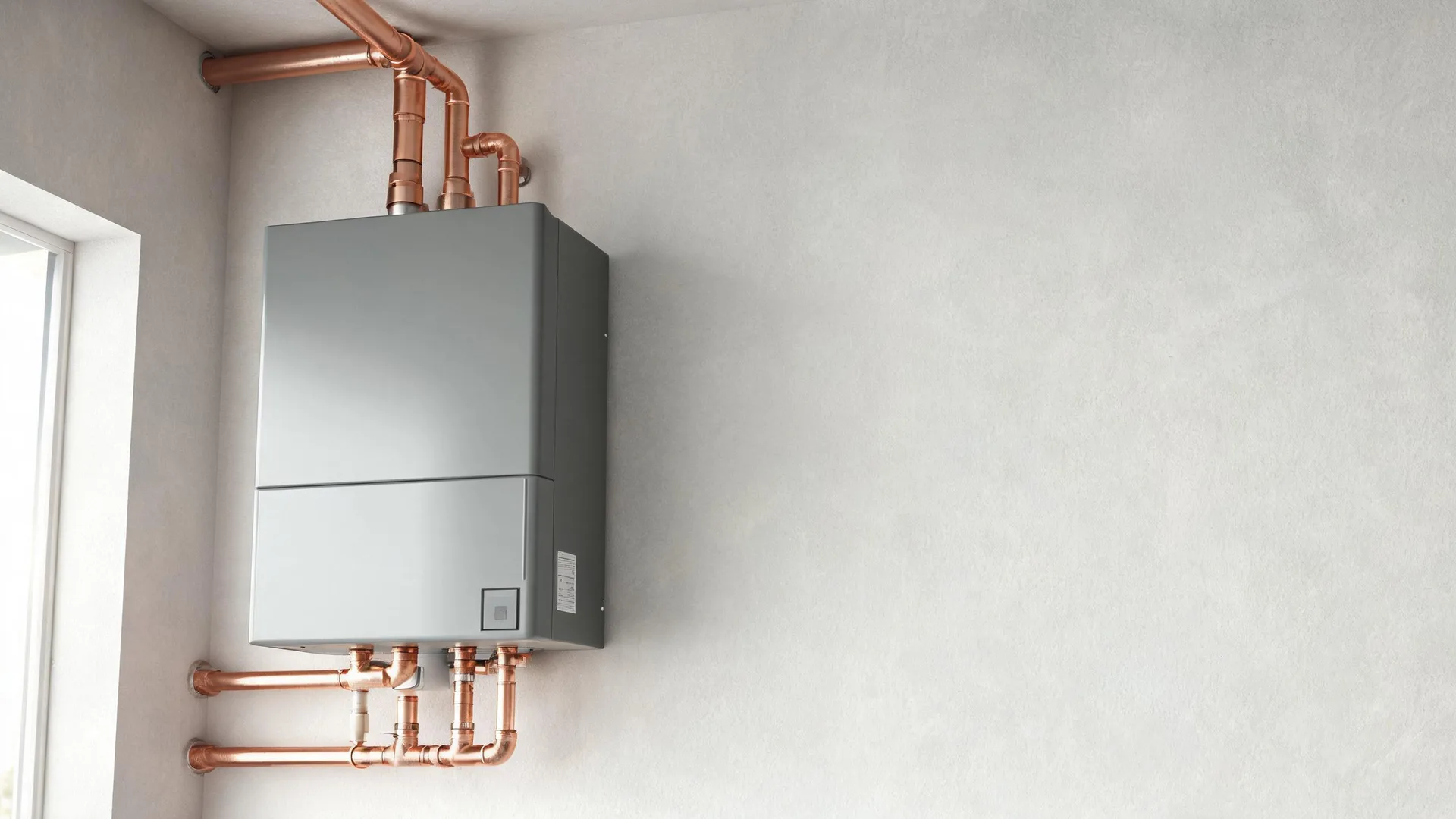
Short cycling wears down the parts that start it

A boiler that short cycles is firing up and shutting off over and over instead of running a normal heating cycle. Every start puts load on the igniter and the circulator pump. Left alone, the short cycling doesn't level out. It keeps asking the same parts to start more often than they're built for, and one of them gives out first.

A boiler usually tells you something is wrong before it quits outright. Listen for banging or kettling in the heat exchanger, that's mineral buildup making the water boil in spots it shouldn't. Watch for radiators or baseboards that stay lukewarm when they used to get hot, which points to trapped air, a failing circulator pump, or a zone valve stuck partway open. Check around the base for water, even a small amount, since that often means a fitting or the pressure relief valve is on its way out. A pilot light that keeps going out, or a boiler that cycles on and off more than it used to, means something is already struggling to do its job. None of these get better left alone.

A diagnostic visit starts with questions, not tools. What does the boiler do, and when. Short cycling at the start of a run, noise only after it's been going a while, a pilot that won't hold. That history narrows things down before a panel ever comes off. Next comes the pressure and the water itself, checking the gauge against what it should read and looking at the color of the water for rust or sediment. The burner gets a look, the flame should be steady and mostly blue, not lazy or yellow. The circulator pump gets checked for the hum and vibration it's supposed to have, since a pump that's gone quiet isn't moving water. Wiring and the thermostat connection get tested too, since a boiler that won't fire is sometimes an electrical problem wearing a mechanical disguise. By the end, the cause should be narrowed to one part, not a guess.