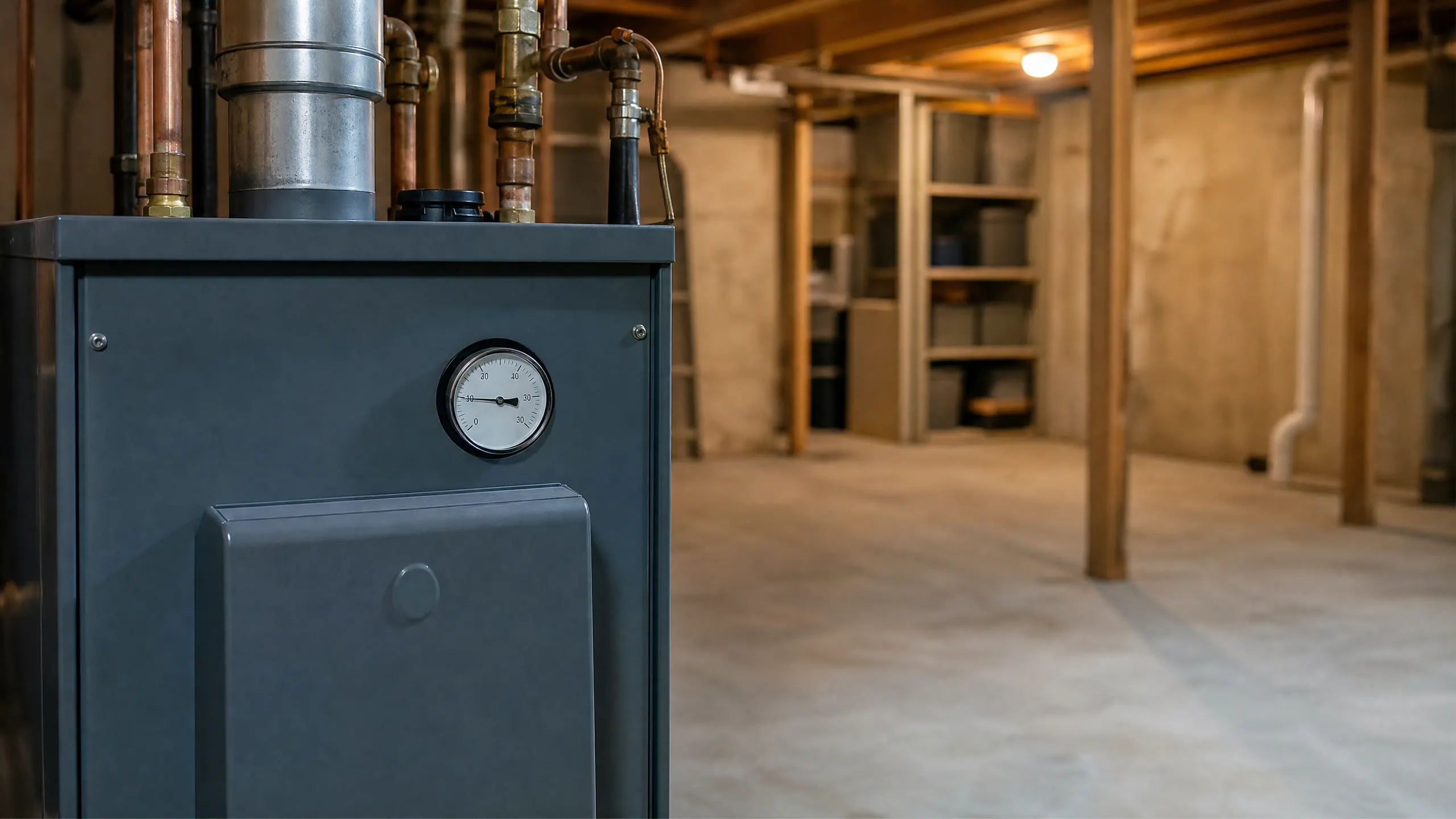



A gray boiler unit with copper pipes and a pressure gauge installed in an unfinished basement.

Boiler Repair in Brockton, MA

Tell us about the job

Takes about a minute. No obligation.

RepairBoilerPlymouth County, MA
Step 1 of 2

What ZIP code is the job in?

Half the homes in Plymouth County were built in 1971 or earlier. A boiler that came with a house that age has had a lot of winters to wear through. If yours is original to the house, a repair now might just be a stop on the way to a bigger failure next year. Before you pay for a new circulator pump or a heat exchanger repair, it's worth asking the technician how much life is likely left in the unit. Sometimes the honest answer is that it makes more sense to put that money toward a new boiler instead.

Boilers in Brockton run from October through May, about eight months of the year.

A repair has to get this system through a long winter, not just the next cold snap.

Plymouth County weather doesn't stand out, and that's the point

449 severe weather events from 2015 to 2024
10% of homes statewide lost power a day or more in 2024
346 damaging wind events from 2015 to 2024

Natural gas ran $21.27 per million Btu in Massachusetts last year, among the higher rates in the country. A boiler that's losing efficiency from age costs more to run every month it's left in place, on top of whatever the repair bill comes to. That's worth weighing against the cost of the repair itself. If the technician finds the heat exchanger cracked or the efficiency badly dropped off, paying to fix an old unit on expensive gas is money that doesn't come back. A newer boiler won't change what gas costs here, but it will use less of it to heat the same house.

September is the month to deal with this

Boilers here start running in October. If a part is already weak, the first cold nights are when it gives out, usually on the coldest morning rather than a convenient one. Getting a repair looked at in September means it's sorted before the system has to run every day for the next eight months.

Find a contractor

Most calls come down to a few parts

A boiler that won't fire or won't hold pressure is usually a failed igniter or pilot assembly, a bad circulator pump, a clogged condensate line, or a faulty pressure relief valve. Mineral buildup inside the heat exchanger can also block heat transfer and cause the system to overheat and shut itself down. Most of these parts fail on their own schedule, not because of anything the homeowner did.
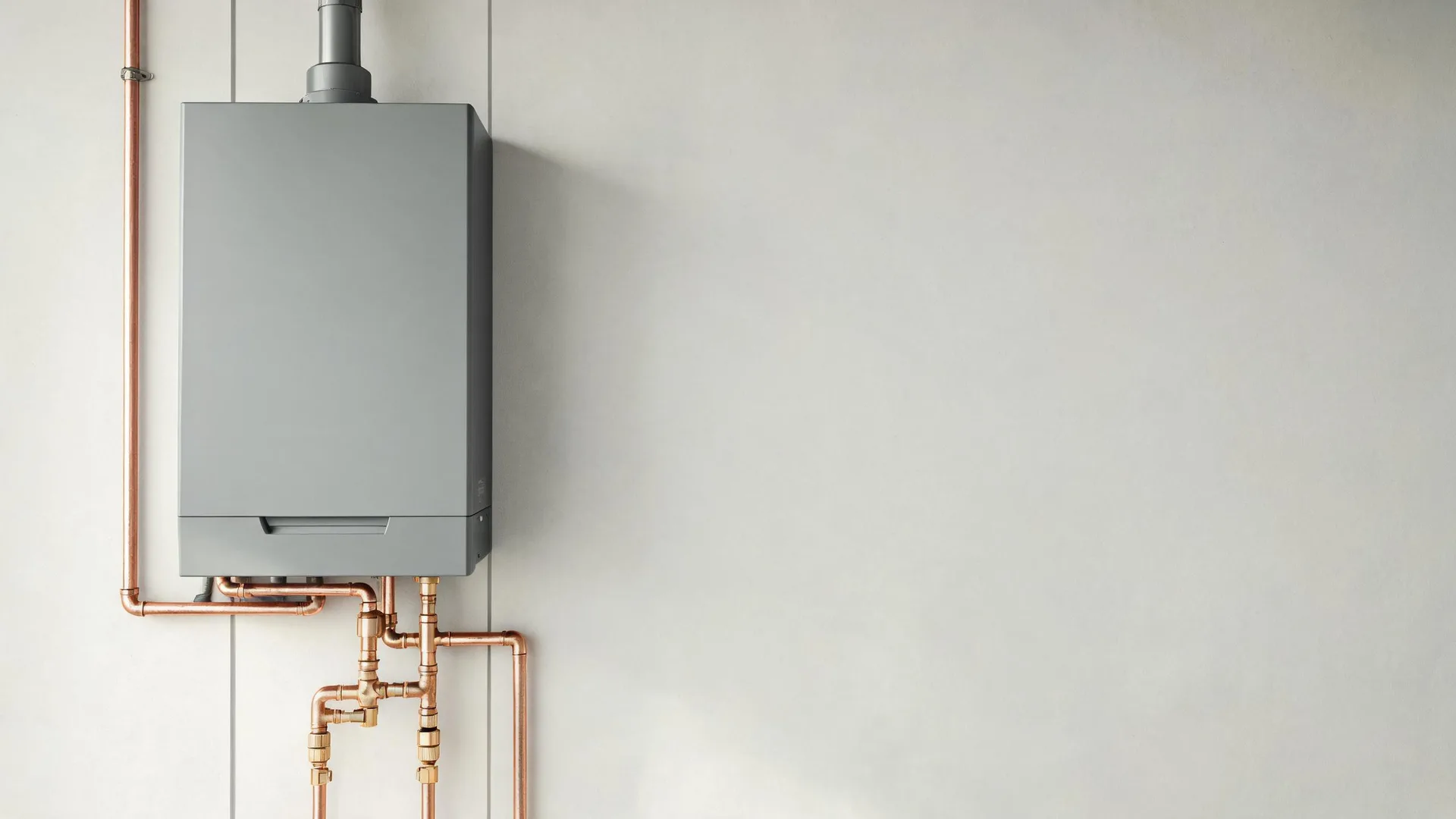
Some failures are worse than others

A dead circulator pump or a stuck zone valve is a straightforward swap. A cracked heat exchanger is not. Once the exchanger cracks, flue gas can mix with the air in the house, and the boiler needs to come out of service rather than get patched. A technician checking for a leak or a short cycle should also check the exchanger itself. That finding decides whether a repair is worth doing at all.

A boiler that's losing pressure or short cycling will keep heating while it does it, and that's the problem. Low water over the heat exchanger lets that metal run hotter than it was built for, and metal that overheats and cools over and over is how small cracks start. A circulator pump on its way out works harder to push water through the system before it quits for good, and that strain doesn't stay in one part. Soot building up on a burner or a clogged flue makes combustion less complete, and running that way for weeks fouls the parts around it faster than the original problem alone would have. None of this fixes itself by waiting. The boiler keeps meeting heat demand each night, and every cycle it runs on a bad part is a cycle closer to the part that doesn't come back from a repair.

A diagnostic call starts with the technician asking what you've noticed. Short cycling, a cold house, a banging noise, a puddle near the base. That tells them where to look first. They'll check the pressure and temperature gauges, look for signs of a leak around the seals and valves, and listen to the boiler run through a cycle. If it won't fire at all, they're checking the igniter or pilot assembly and the gas valve before anything else. If it's losing pressure, they're tracing the water side for a leak, often starting at the circulator pump and working back. Combustion gets checked too, since a flame that's burning wrong points to a dirty burner or a venting problem. By the end they should be able to tell you which part failed, whether it's a straightforward swap, and whether anything else is wearing in a way that's worth knowing about now.