Eight months of real work
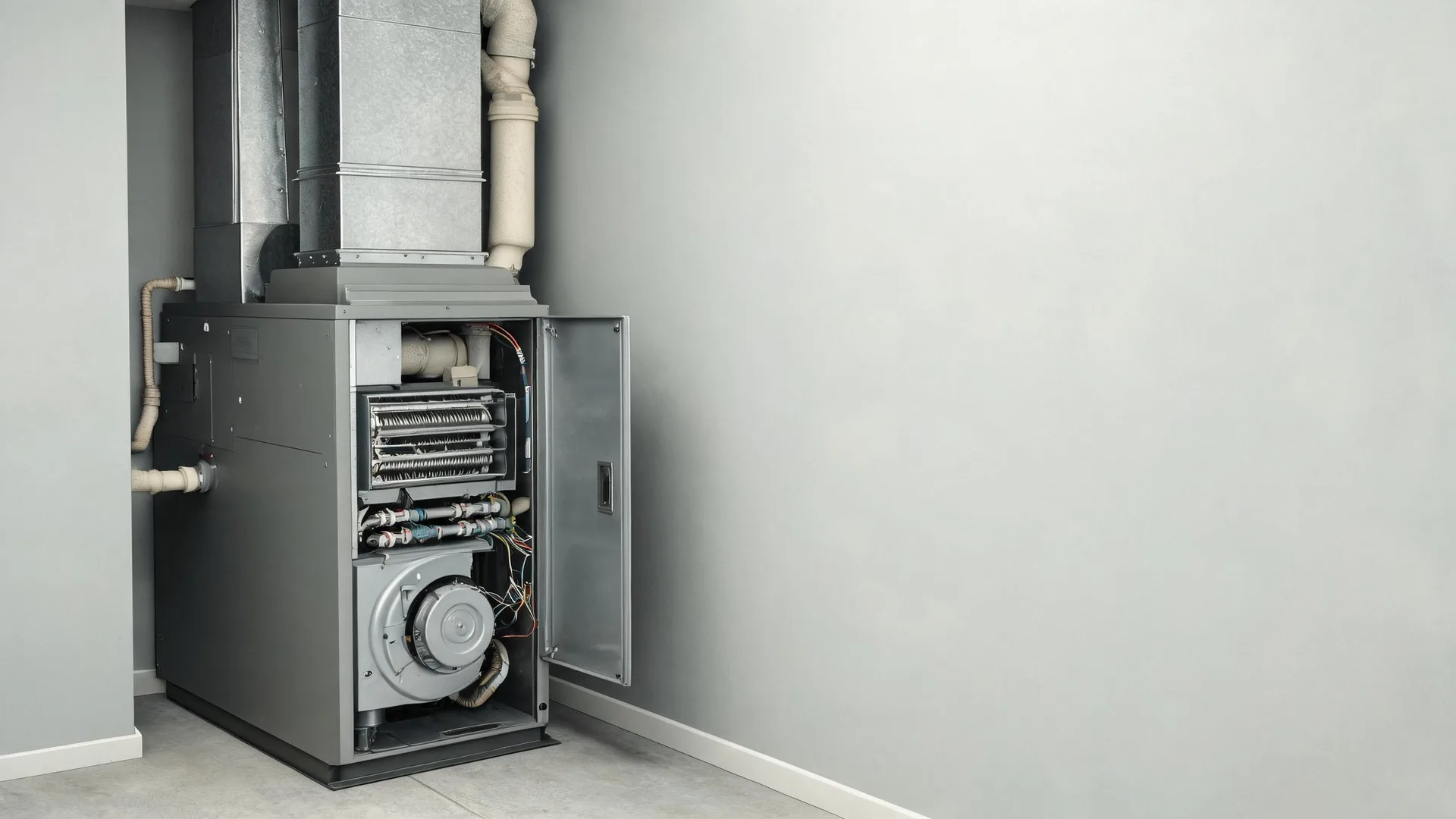
A furnace in Vineyard Haven runs from October through May. That's most of the year. Overnight lows average 27°F across December, January and February. A furnace built for this climate handles that load without strain.
Takes about a minute. No obligation.
A furnace in Vineyard Haven runs from October through May. That's most of the year. Overnight lows average 27°F across December, January and February. A furnace built for this climate handles that load without strain.
Nothing about Vineyard Haven pushes a furnace past what it's made for. When one stops heating right, the cause is almost always something known, a weak igniter or a dirty flame sensor or a bad pressure switch. Finding which one it is, that's the job. Not guessing at something unusual about the house or the weather.
NOAA nClimDiv, 1991–2020 normals
Furnaces in Vineyard Haven start working in October.
A furnace idle since spring is where a weak igniter or a bad pressure switch finally gives out.




If your house was built in 1982 or later, the furnace that came with it is likely still within its working life. That's worth knowing before you decide whether a repair makes sense. A weak igniter or a bad pressure switch failing in a newer system is just a part giving out, not a sign the whole unit is done. If your house is older than that, check when the furnace itself was installed rather than going by the house, since plenty of older homes have had the system replaced since. Either way, the part that failed is what needs fixing, and repair is the right call when the furnace underneath it still has life in it.
At $41.72 per million Btu, a furnace fighting a weak igniter or a bad pressure switch isn't saving you anything by limping along. It's burning the same gas and not giving you the heat for it. Worth getting the actual cause found now.
Find a contractor
A furnace that cycles on and off faster than it used to is usually tripping a limit switch. That happens when airflow is restricted or a heat exchanger has cracked. A furnace that runs long stretches without reaching the set temperature often has a weak blower or a thermostat that's lost its calibration. A boom at startup means gas is building before ignition catches. A screech points to the blower motor or its bearings. A rattle usually means a panel or a part has worked loose. The burner flame should look steady and blue. Yellow or flickering means it isn't burning clean, and that's worth a look before anything else. A pilot or igniter that won't hold is often the first sign something is wrong, long before the furnace stops heating altogether.
A furnace rarely quits outright. An igniter gets weaker each cycle before it stops glowing hot enough to catch gas. A flame sensor collects a film from normal combustion until it can't detect the flame anymore. A pressure switch wears until it stops reading right. The failure you see is usually the end of a slower process, not a sudden break.
A clogged filter or blocked vent makes the furnace run hotter than it should. That heat trips the limit switch, and over time it can crack the heat exchanger or burn out a blower motor. A lot of what looks like a part failing on its own actually started as something restricting airflow.
Estimates for a typical Dukes County home, compared with an older unit built to the previous federal minimum, from EIA household energy data, Massachusetts fuel prices and NOAA climate normals. Your home will differ.
Repair makes sense when one part has failed and the heat exchanger is sound.
Replacement makes sense when the heat exchanger is cracked or the furnace keeps needing parts.
A diagnostic visit starts at the thermostat. The tech checks that the call for heat is actually reaching the furnace before touching anything inside the cabinet. After that it's a matter of watching a normal cycle step by step. Does the igniter glow. Does the flame sensor pick up the flame. Does the pressure switch close. Does the blower kick on when it should. Wherever that sequence breaks is where the problem is. Some parts can't be judged by eye, so a meter checks the igniter's resistance or the flame sensor's signal, since either one can look fine and still be failing. Pulling the panel to look at the burner flame and listen to the blower is part of it too. The point is to find which part is actually failing, not to start swapping parts and see what helps.