




A two-story red brick house with black shutters and a gray roof sits behind a mowed lawn, framed by large deciduous trees, with a dry-stacked stone wall running across the foreground.

Boiler Installation in Worcester, MA

Tell us about the job

Takes about a minute. No obligation.

New system or replacementBoilerWorcester County, MA
Step 1 of 2

What ZIP code is the job in?

Fuel oil in Massachusetts ran $23.29 per million Btu in 2024. If your boiler runs on oil, that number sits on every delivery bill all winter. An old boiler loses a lot of that heat up the flue before it ever reaches a radiator. A new one is built to pull more heat out of the same gallon of oil. That difference is small on any one delivery and real over a whole winter. When you're comparing boilers, ask what each one is rated to do with the fuel you're already paying for.

Worcester County had 71 winter storms between 2015 and 2024.

A boiler sized and installed right handles that without any special upgrade.

Half these homes were built by 1967. A boiler going in now has to match the house it's heating.

Half the homes here were built by 1967
Heat runs October through May
Winter nights average 18°F
Get it done before OctoberHeat runs here from October through May, so September is the month to get a new boiler in.

A boiler here runs from October through May, about eight months of the year, and overnight temperatures average 18°F through December, January and February. That's eight months of near-constant cycling, not the occasional cold snap. The size of the unit matters more than the brand on it. A boiler too small struggles to keep up on the coldest nights and runs long hours trying. One too large short-cycles, turning on and off more than it should, which wears the burner and controls faster than steady use would. Either mistake shows up early in a winter like this one.

Oil heats more homes here than anything else

Oil heats 37.9% of homes in Worcester County, more than gas or electric. Gas is next at 32.4%. If your boiler runs on oil now, putting in another oil boiler means no new fuel line, no new tank, no changes to how the house gets heat. That's the simplest install to plan.

Find a contractor

The rating tells you what the boiler does with fuel, not how warm the house gets

A boiler's efficiency rating measures how much of the fuel burned turns into usable heat versus how much escapes up the flue. A higher rated boiler pulls more heat from the same fuel. It doesn't mean a bigger output or a system that heats faster. That's a separate question, decided by sizing the unit to the house.
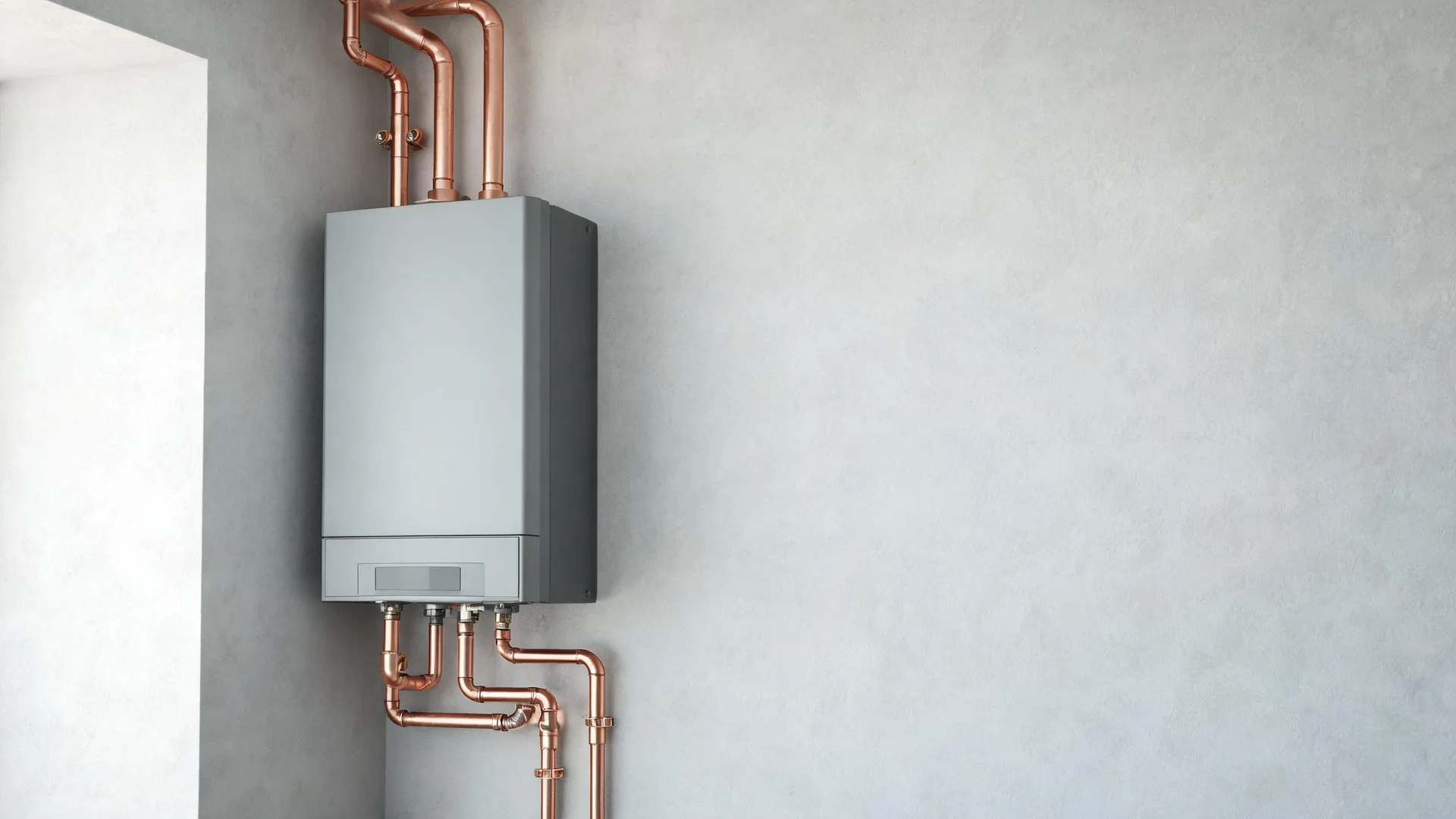
A high rating on a badly sized boiler doesn't save you anything

The rating only pays off if the boiler is sized right for the house and the installation lets it run the way it's designed to. A high efficiency boiler forced to short-cycle because it's oversized won't deliver the fuel savings the rating promises. Ask whoever's installing it how they're sizing the unit, not just which model they're quoting.

Ask what's actually included in the quote, not just the boiler's price. Venting changes, new piping, a relocated expansion tank, an upgraded thermostat or zone valves can all be part of a proper install, and leaving them out is how one quote ends up cheaper than another. Ask how many zones the system will run and whether the boiler's output matches each one, since a system split into zones needs to be sized for that from the start, not fitted to it afterward. Ask about the warranty on the heat exchanger specifically, since that's usually covered separately and for longer than the rest of the unit. And ask who's pulling the permit and doing the inspection. A boiler that skips that step can cause problems later with insurance or when you go to sell the house.

Install day starts with the old boiler coming out, along with any piping or venting that isn't being reused. That takes longer than people expect, especially if the new unit vents differently than the old one. From there it's setting the new boiler, running the water lines, connecting it to the venting, and wiring the controls. If zone valves or a new expansion tank are part of the job, those go in before anything gets filled. Once the system's connected, it gets filled with water and purged of air, then fired up and checked at pressure. A tech should walk the house checking that every radiator or zone is actually getting heat before calling it done. The permit inspection happens separately, either that day or scheduled after, and the boiler shouldn't be considered finished until it passes.