Gas is the common fuel here
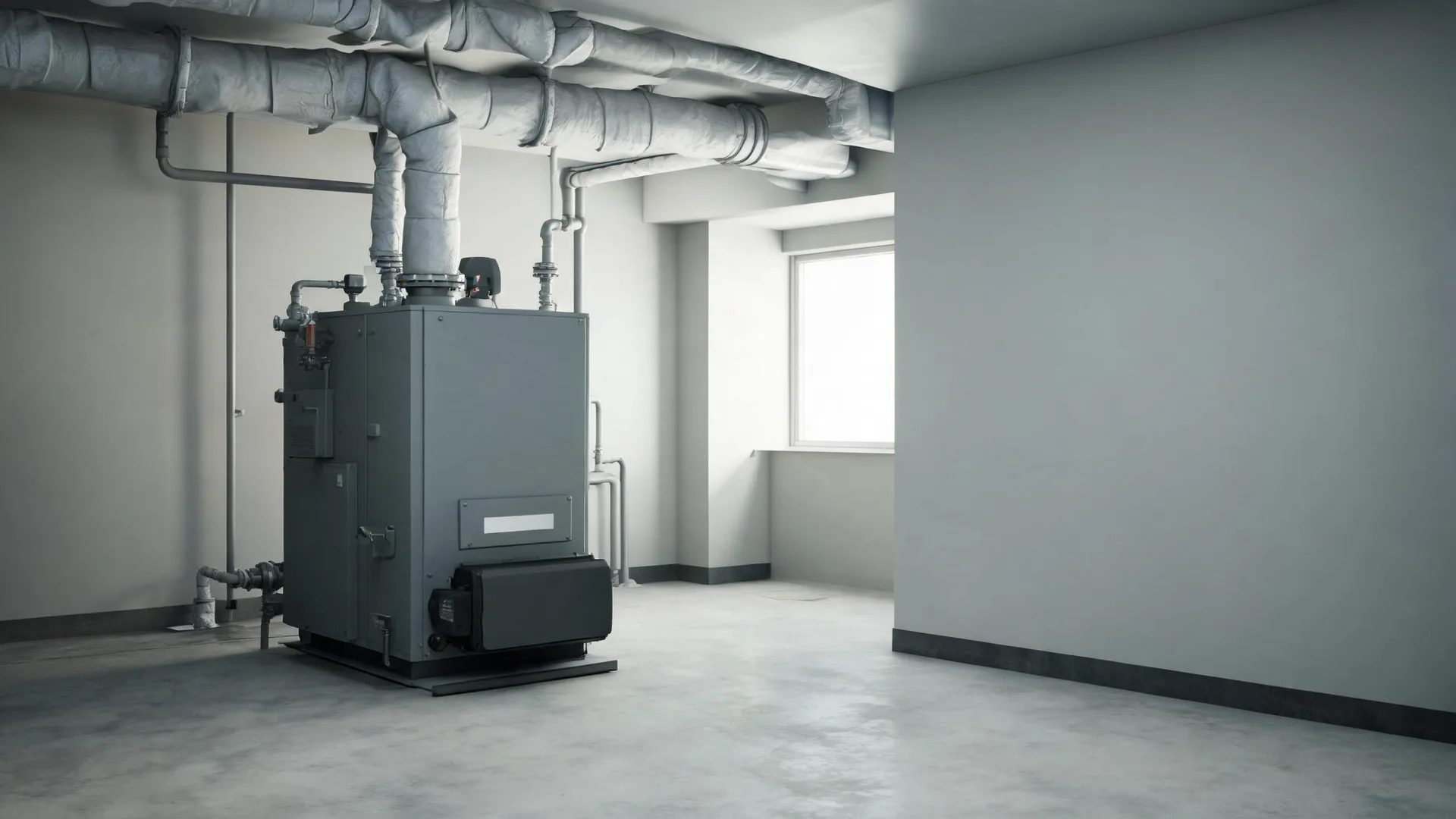
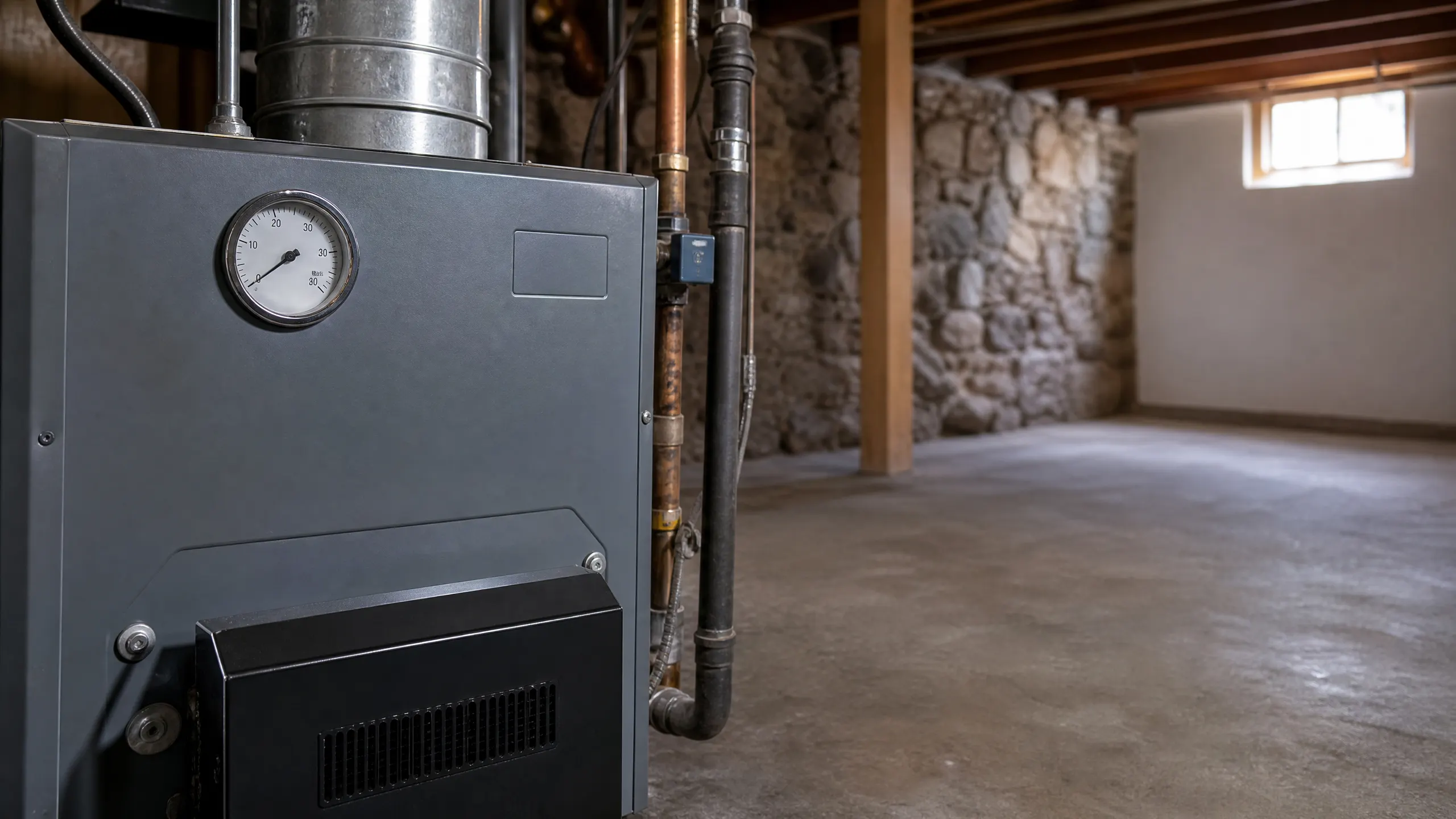
Utility gas heats close to half of Hampden County homes, more than any other fuel. A gas boiler is a straightforward match if your home is already set up for it.
Takes about a minute. No obligation.
Utility gas heats close to half of Hampden County homes, more than any other fuel. A gas boiler is a straightforward match if your home is already set up for it.
If a gas line already feeds your home, replacing an old gas boiler with a new one is usually the simplest job. The contractor can size the new unit to your home instead of working around a fuel switch.
Boilers in Hampden County run from October through May.
Replace it in September and the job happens on your schedule, not during the first cold snap.



Hampden County gets its share of rough weather, including 47 winter storms between 2015 and 2024 and a stretch of damaging wind on top of that. None of it calls for a special boiler. A standard gas boiler, sized to your home, handles a winter storm the same way it handles any other cold night. What matters more is the power going out. A boiler with electronic ignition won't fire without electricity, storm or no storm. If that's a real risk where you live, ask the contractor about a battery backup or a manual override, not a bigger or fancier unit.
Half the homes in Hampden County were built in 1959 or earlier. A boiler going into a house that old has to match the radiators, pipes and layout already there, not a generic spec sheet. That's a sizing job the contractor should walk through with you, not something to guess at.
Find a contractor
A boiler sized too large for the house will short cycle, switching on and off before the water ever gets up to temperature. That's harder on the burner and the heat exchanger than running a correctly sized unit through a full cycle, and the house ends up with uneven heat instead of better heat.
Sizing a boiler means adding up the heat loss of the house itself, room by room, against the radiators or baseboards already in place. It accounts for wall and window area, ceiling height and how much of the house sits exposed to outside walls. A contractor does this with a load calculation, not by matching the old unit's rating or guessing from square footage alone.
Taking out the old boiler is part of the job, and it has to go somewhere. Scrap haulers take cast iron and steel for the metal, so most of what comes out doesn't end up in a landfill. Before that happens, whoever pulls the unit has to deal with what's connected to it. The gas line gets capped or rerouted. The water piping gets cut back. If the old boiler vented through a chimney, that flue may need to be addressed, since a new high-efficiency unit usually vents through a wall instead. If the old system ran on oil, there's also a tank to deal with, and an underground one is a different job than a tank sitting in the basement. None of this is the homeowner's problem to solve, but it's worth asking the contractor how they handle removal and venting before the new boiler goes in, not after.
Installation day starts with the boiler off and the system drained, so expect the heat to be down while the work happens. The old unit gets disconnected from the gas line, the water piping and whatever venting it used, then carried out. The new boiler goes in on its own pad or bracket, which isn't always exactly where the old one sat, especially if the venting changed from a chimney to a wall vent. From there it's gas line, water lines, venting and electrical, each tied in and pressure tested before anything gets fired up. The contractor fills the system, bleeds the air out of the radiators or baseboards, and brings the boiler up to temperature to check that heat is actually reaching every room. Only after that does anyone sign off on the job.