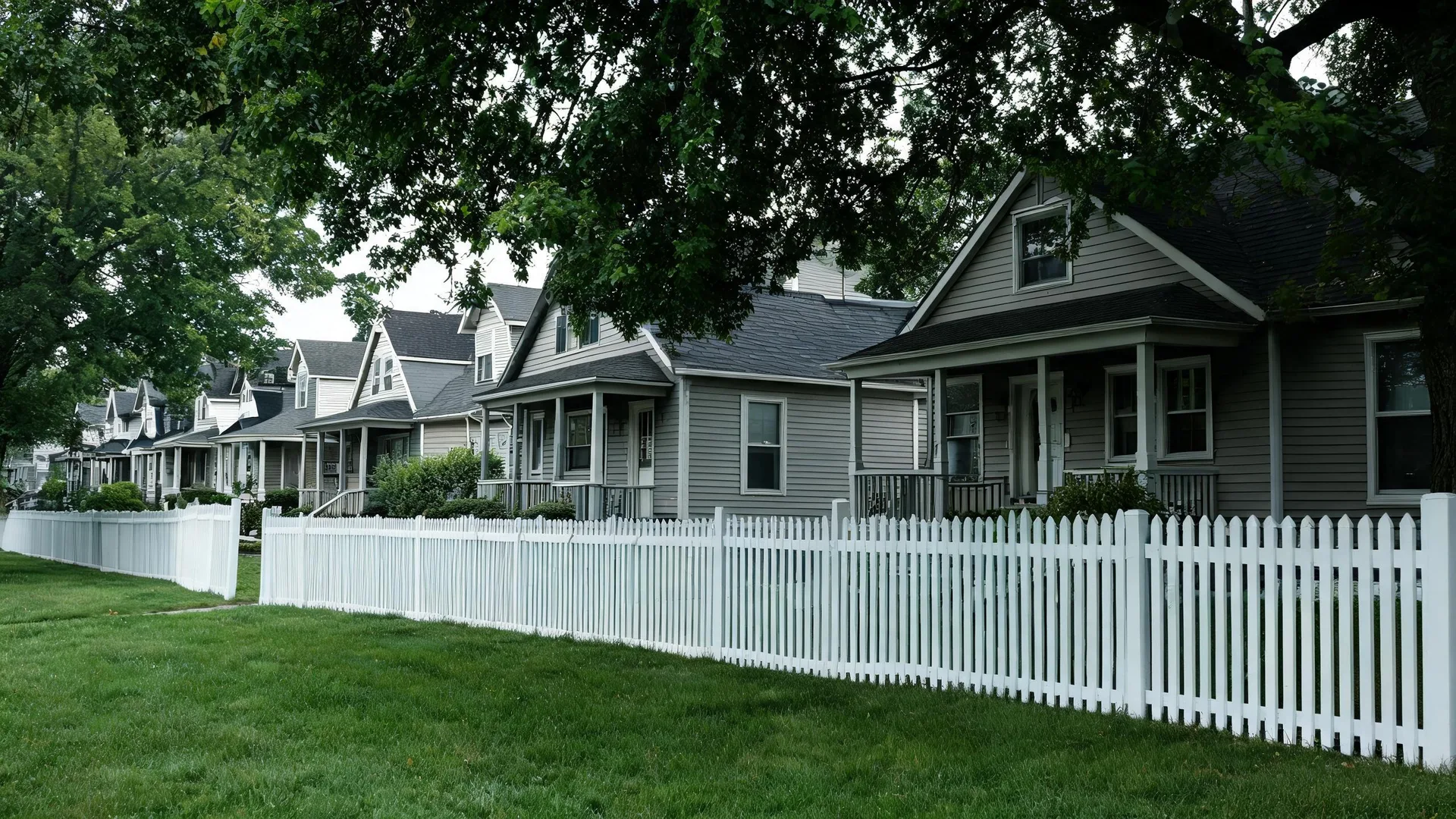





A row of gray-sided houses with porches and gabled roofs behind a white picket fence, with mown grass in the foreground and leafy tree branches overhead.

Boiler Installation in Pittsfield, MA

Tell us about the job

Takes about a minute. No obligation.

New system or replacementBoilerBerkshire County, MA
Step 1 of 2

What ZIP code is the job in?

Fuel oil and gas split most of Pittsfield between them, and a lot of that is boilers already. Utility gas heats 43.2% of homes in Berkshire County, and fuel oil or kerosene heats another 30%. Both fuels run through a boiler more often than a furnace, especially in older houses built before gas lines reached every street. If your old boiler ran on oil, an oil boiler is the straightforward swap. If gas is already piped to the house, a gas boiler usually makes more sense than switching fuels at the same time you're replacing equipment.

Half the homes in Berkshire County were built in 1956 or earlier.

A boiler going into a house that old has to match the radiators and pipes already there, not the other way around.

Berkshire County gets weather that knocks out power. The boiler itself still only needs to be sized for the house.

446 severe weather events from 2015 to 2024
10% of homes statewide lost power a day or more in 2024
370 damaging wind events from 2015 to 2024
Replace it before SeptemberHeat runs nine months here, September through May. August is the month to get it done.

Pittsfield sits in climate zone 5A, a cool zone where heating carries most of the load. Any gas-fired hot water boiler installed here now has to hit at least 84 percent AFUE, a standard that's been in place for boilers built since January 2021. That cuts out the lower-efficiency units that used to be an option. It's worth asking a contractor which models on their truck clear that bar, since not every boiler on the market is rated for it. Separate from the efficiency rules, a federal tax credit is available for qualifying high-efficiency equipment, which can offset part of what the upgrade costs.

A more efficient boiler pays you back on the gas bill

Natural gas ran $21.27 per million Btu in Massachusetts last year. That's the price whether the boiler is old and inefficient or new and sized right for the house. A boiler that wastes less of that gas on every cycle is the straightforward way to bring the bill down.

Find a contractor
A man in a dark T-shirt and tan work pants, seen from behind, climbs porch steps toward a blue front door while carrying a canvas tool bag filled with hand tools.

The boiler is the smaller cost

The unit itself is only part of what gets installed. Venting, gas or oil line work, the circulator pump, zone valves, and tying into the existing radiators or baseboard all take labor and parts. A boiler swapped into a system that already fits it goes faster than one where pipes have to be rerouted or a chimney liner has to be added for venting.
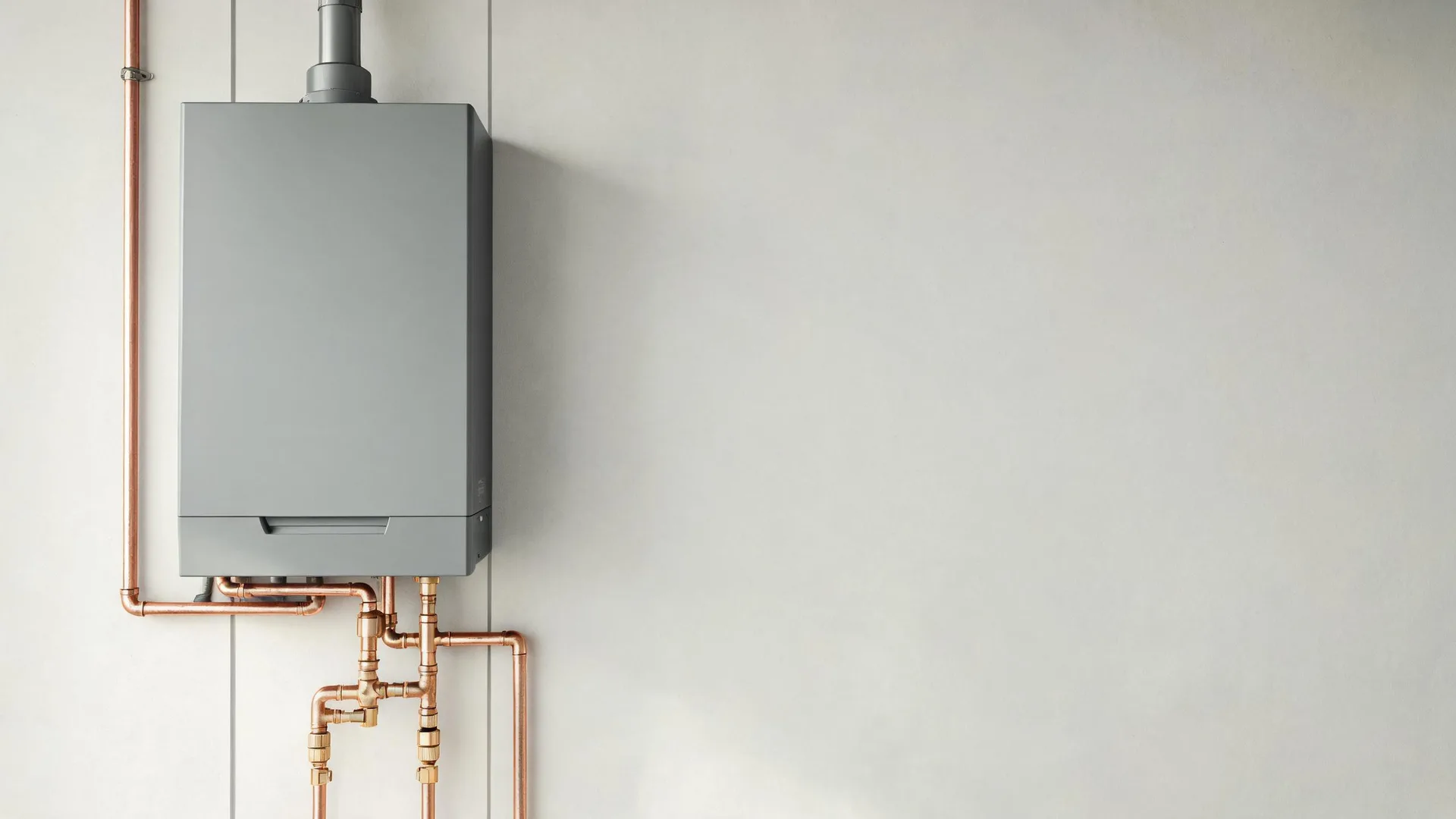
What's already there decides the work

A boiler that matches the old one in output and venting type can often go in the same spot, on the same lines. A different fuel, a different vent type, or radiators that need more heat than the old boiler delivered means more cutting, fitting, and testing before the system runs right. That difference in scope is what separates a straightforward swap from a longer job.

The old boiler has to come out before the new one goes in, and that's its own piece of work. A boiler drained of water and disconnected from gas or oil lines, flue, and circulator isn't light. It gets cut from the pipes, not unbolted, since most connections have been sweated or threaded in place for years. If it's cast iron, it's worth considering that cast iron alone is dense enough that a few sections can be more than one person wants to lift. A contractor who handles the installation typically handles hauling the old unit out as part of the job, so it's worth asking what that includes before the work starts rather than after the new boiler is already in and running.

A boiler sized by square footage alone almost always comes out too big. The number that actually matters is a heat loss calculation, room by room, that accounts for the windows, the exterior walls, the ceiling height, and how much of the house is below grade. That math gives a contractor the exact output the house needs on the coldest day of the year, nothing more. Oversized is the common mistake, not undersized, because a bigger boiler feels like a safer bet. It isn't. An oversized boiler short cycles, firing up, satisfying the thermostat fast, and shutting off again before it settles into a steady burn. That short cycling wears on the ignition system and the circulator pump years before they'd otherwise quit, and it leaves rooms further from the boiler colder than ones nearby because the system never runs long enough to balance heat across every radiator.