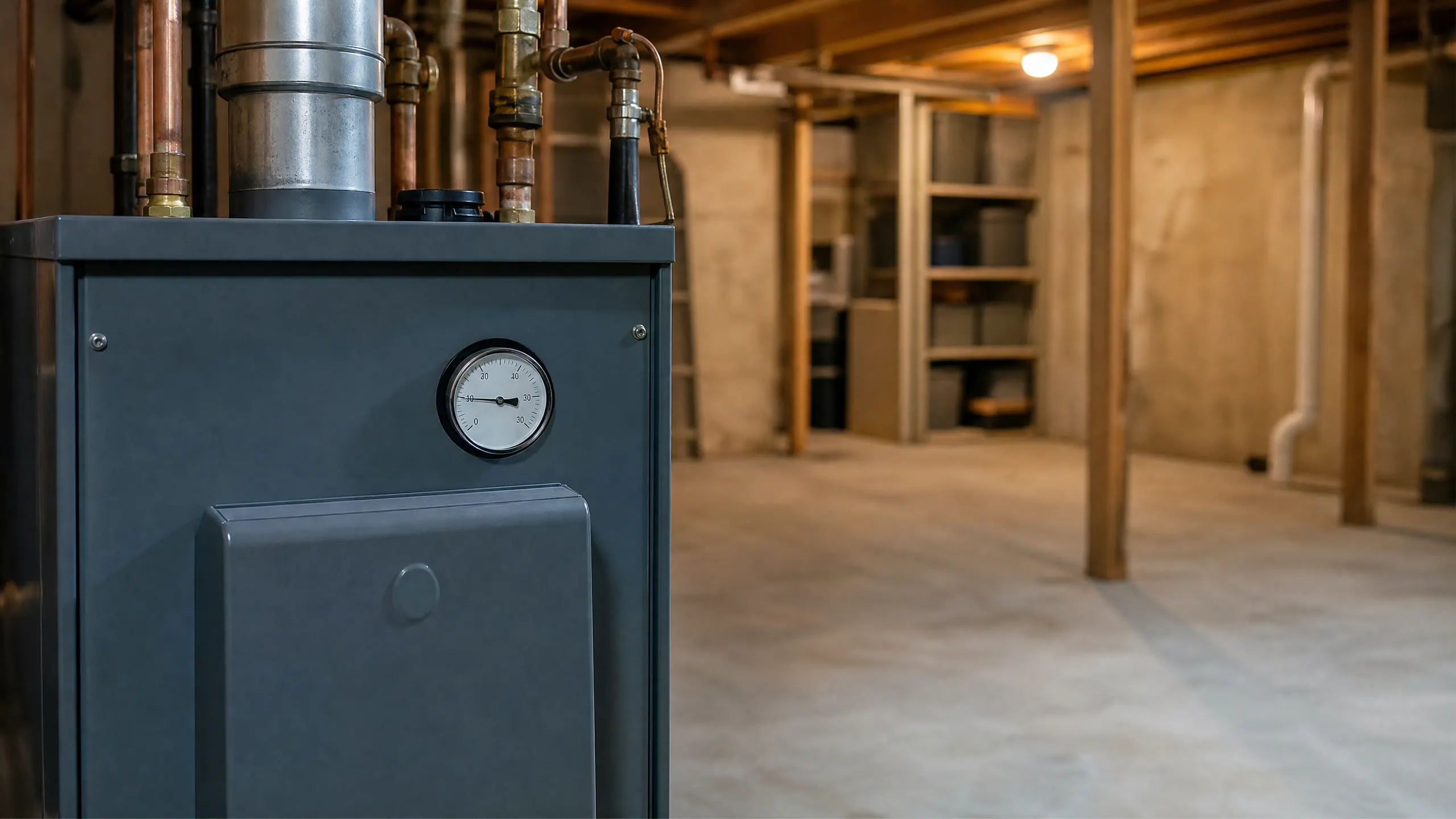



A gray boiler unit with copper pipes and a pressure gauge installed in an unfinished basement.

Boiler Installation in New Bedford, MA

Tell us about the job

Takes about a minute. No obligation.

New system or replacementBoilerBristol County, MA
Step 1 of 2

What ZIP code is the job in?

Half the homes in Bristol County were built in 1964 or earlier. A boiler going into a house that age is working with whatever pipes and radiators were put in decades back, not a blank slate. The old boiler may have been sized for a layout that's since changed, a finished attic, an addition, windows swapped out. Getting the new one sized right means looking at the actual rooms it has to heat, not just matching the number on the unit being replaced. That's part of what a contractor walks through before putting in a quote.

Boilers in Bristol County run eight months a year, October through May.

A new boiler here needs to be sized for real winter work, not just a mild stretch in the fall.

A standard boiler sized right is all this climate asks for

Climate zone 5A
Heat runs October through May
Winter nights average 23°F

Bristol County sees its share of rough weather, 282 damaging wind events and 36 winter storms over the past ten years. None of that calls for a bigger or fancier boiler. Most boilers run on electricity to power the igniter, the circulator pump and the controls, even though the heat itself comes from gas or oil, so a storm that knocks out power stops the boiler regardless of its size. That's a question of backup power, not the unit itself. Sized right for the rooms it heats, a standard boiler handles what a Bristol County winter asks of it.

Most homes here already heat with gas

Gas boilers heat 57.2% of homes in Bristol County. If that's what's in the house now, replacing it with the same keeps the pipes and radiators already in place doing the job they were fitted for.

Find a contractor

Bigger isn't better

A boiler too large for the rooms it heats will short cycle. It fires up and shuts off again before the house calls for more heat. That wears on the ignition system and the pump. It never settles into the steady, even heat a correctly sized unit puts out. Oversizing doesn't mean faster heat. It means a boiler working in bursts instead of running the way it was built to.
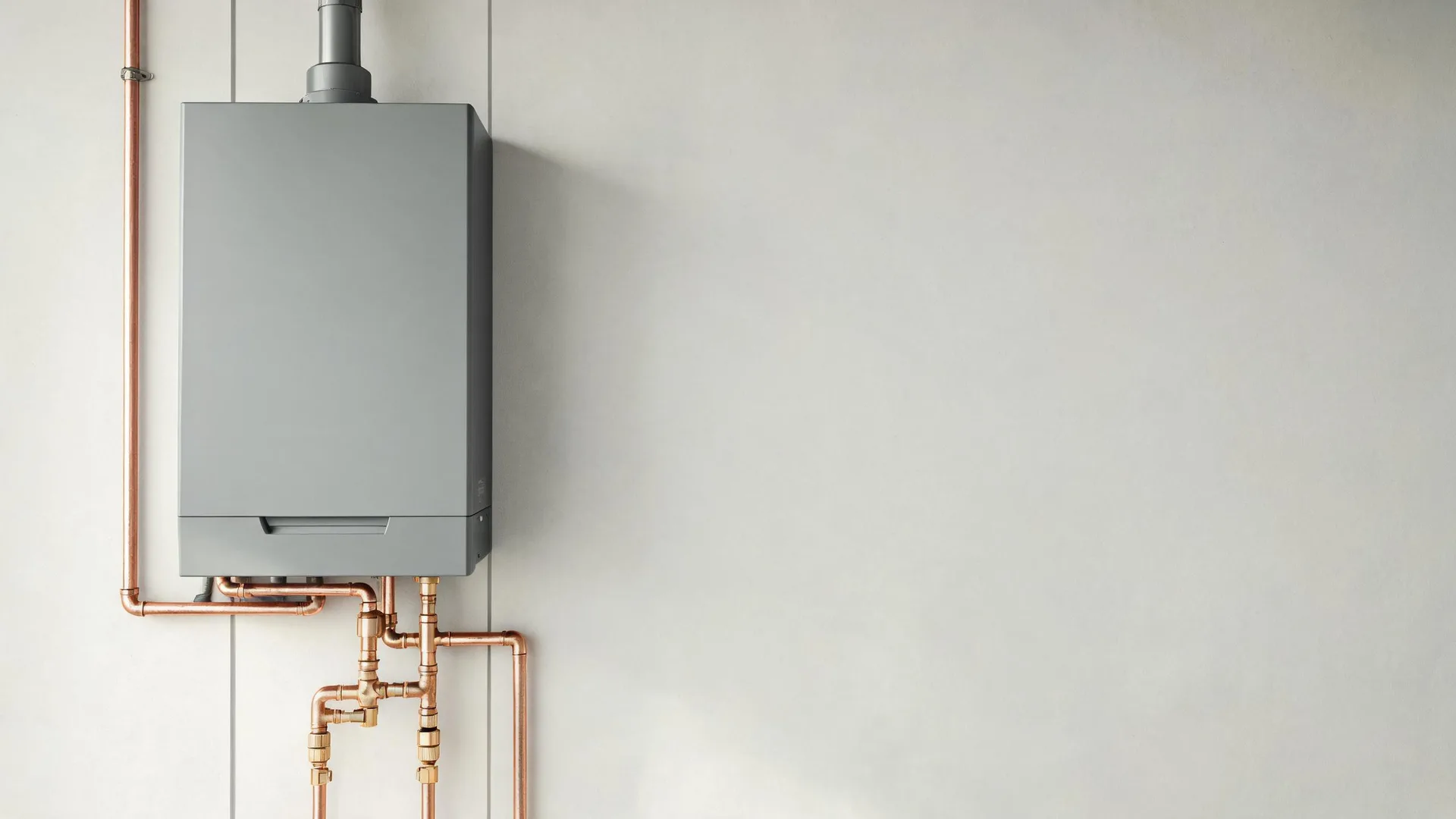
How it gets worked out

Sizing a boiler means adding up the heat loss of every room it has to serve. Wall and window area, ceiling height, how the space is laid out all factor in. That number gets matched to the radiators or baseboards already on the pipes, since each one can only give off so much heat no matter what's pushing water through it. The old boiler's rating is a starting point, not the answer, especially if a room was added or a layout changed since it went in.

Taking out the old boiler is part of the job, not an afterthought. A contractor drains the system, disconnects the gas and vent lines, and disconnects the near-boiler piping before the unit comes out. If it's a cast iron boiler, expect it to come apart in pieces. They're heavy enough that nobody carries them out whole. The vent connector usually has to change too, since a new boiler rarely uses the same size or path as what's being replaced. Once the old unit is out, the pipes and radiators it was feeding stay put. The new boiler gets tied into that same piping, and any corroded or undersized sections get swapped out before the system is filled and bled. None of this is optional groundwork. It's what makes the new boiler actually work with what's already in the house.

Install day starts with the old boiler cold and the water drained from the system. From there it's disconnecting gas, venting, and the near-boiler piping before anything gets lifted out. Setting the new unit means leveling it, running new gas and vent connections sized for that specific boiler, and piping it into the existing lines feeding the radiators or baseboards. Once it's connected, the system gets refilled and bled to clear air out of the lines, since trapped air shows up later as a radiator that won't heat or a knocking pipe. Electrical and controls get wired last. Before anyone leaves, the boiler gets fired and run through a cycle so it can be checked under real operating pressure, not just on paper.