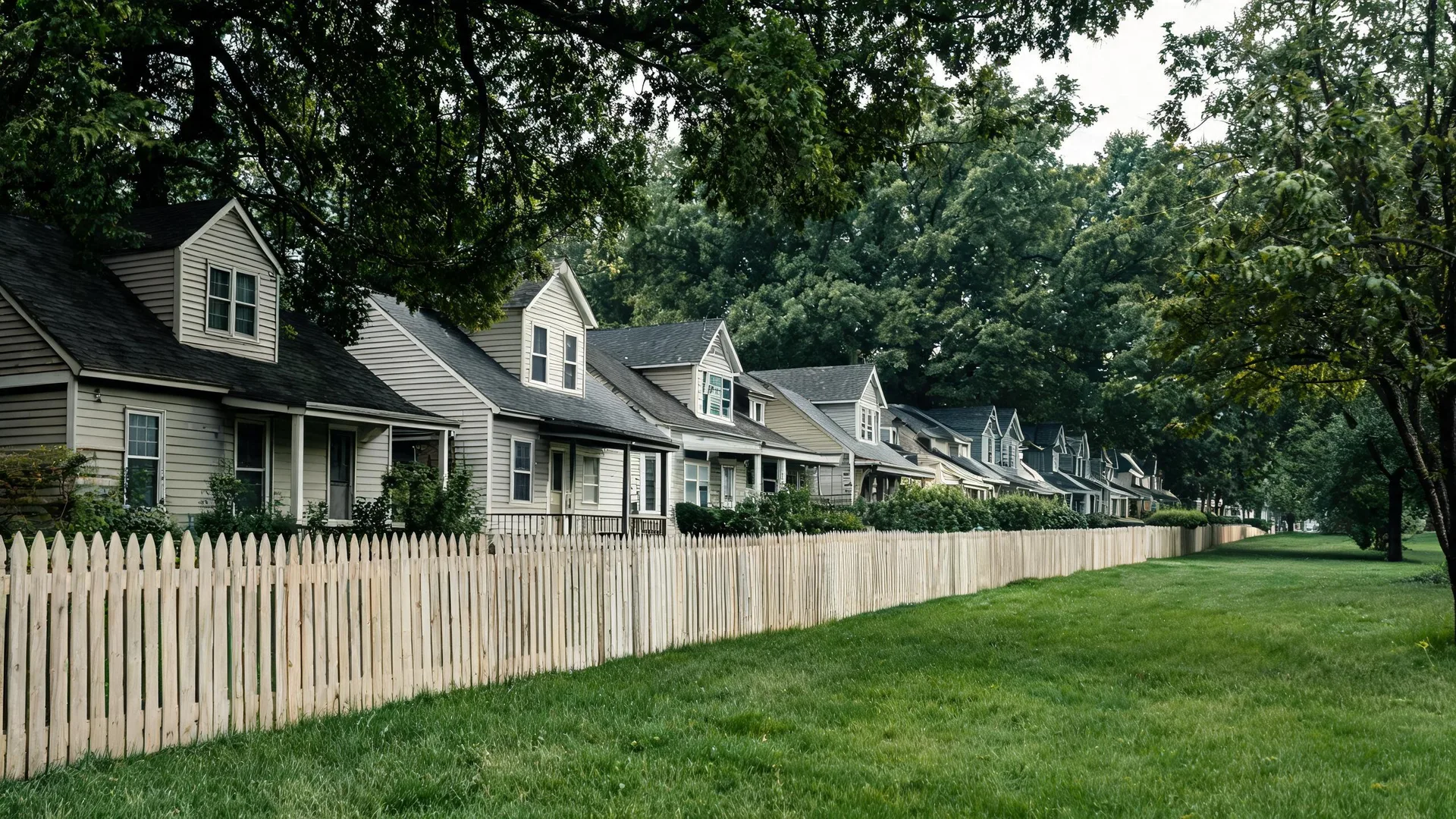
Half these homes were built in 1960 or earlier
Lynn sits in Essex County, where half the homes were built in 1960 or earlier. A boiler going into a house that age is going into whatever piping and layout were already there, not a blank slate.
Takes about a minute. No obligation.
Lynn sits in Essex County, where half the homes were built in 1960 or earlier. A boiler going into a house that age is going into whatever piping and layout were already there, not a blank slate.
An old radiator system or old supply lines were sized for a boiler that may not match what's going in now. Getting the new boiler to fit the house, not just the room it sits in, is part of the installation job.
A boiler sized by square footage alone is often the wrong size.
The right size comes from a heat loss calculation, room by room, not a guess based on floor space.




Lynn falls under zone 5A, a cool climate where heating carries most of the load. Any gas-fired hot water boiler installed here has to meet that zone's rules, and if it was manufactured on or after January 15, 2021, it has to hit at least 84 percent AFUE. That floor rules out the old low-efficiency models still sitting in some supply houses. It does not mean every boiler on the market qualifies for this install, so check the rating on any unit before it goes in.
Natural gas ran $21.27 per million Btu in Massachusetts in 2024. That number doesn't go down once the boiler's in. A higher-efficiency model costs less to run every month it's out there, on every bill, for as long as it's in the house.
Find a contractorA high-efficiency boiler vents through PVC pipe out a sidewall, not up a chimney. If the house still has a chimney that served the old boiler and a water heater too, ask what the water heater vents into once the boiler stops using it. A chimney sized for both appliances can draft poorly with only the water heater left on it.
A contractor who ran a room by room heat loss calculation can show you the number behind the boiler they're quoting. Ask to see it before comparing prices. A boiler sized bigger than the house needs will short cycle, turning on and off more than it should, and that wears out the parts faster than running a properly sized unit.
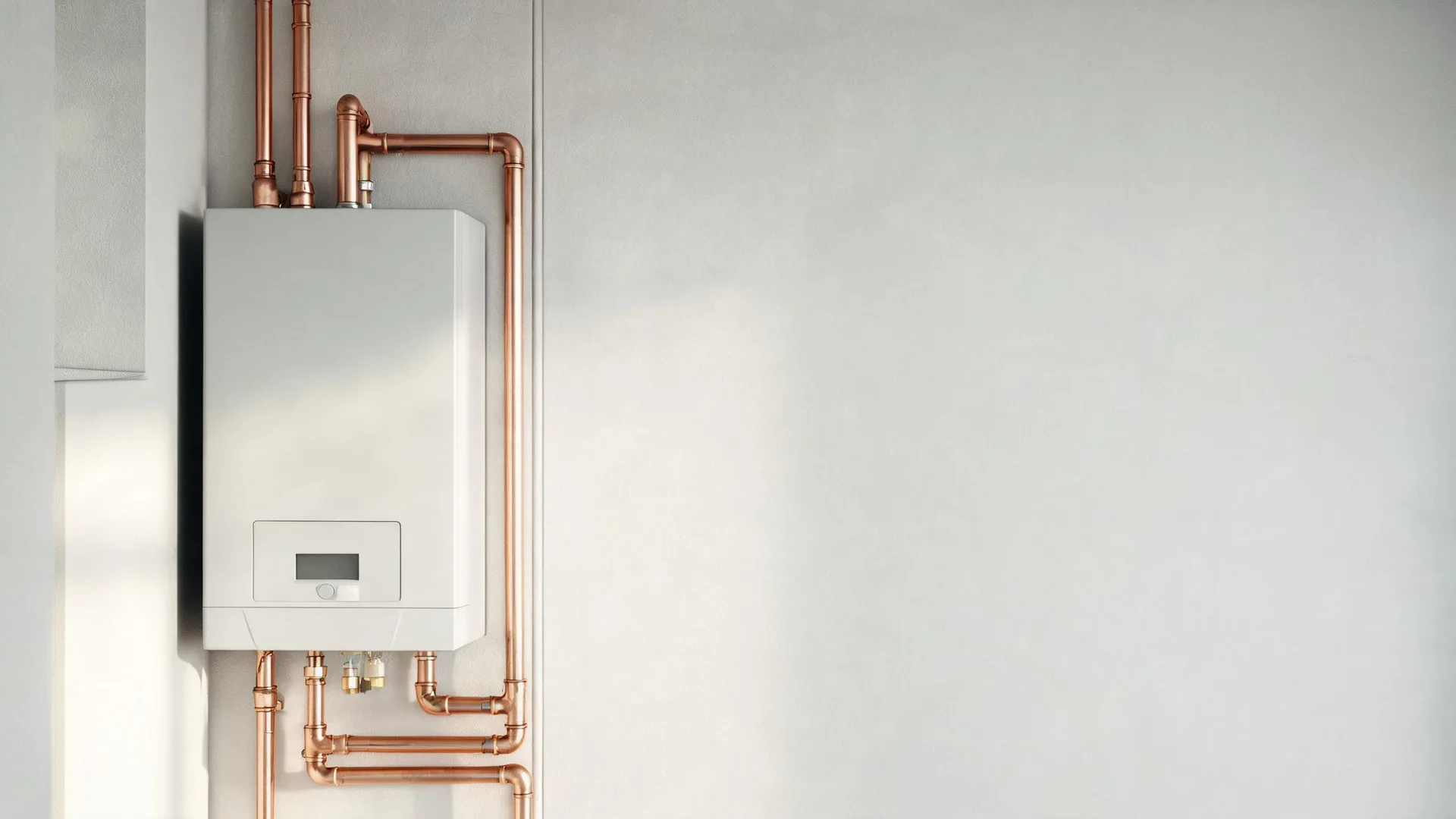
The old boiler doesn't just get carted off. It gets disconnected from the gas line, the water lines, and whatever venting it was using, and each of those has to be dealt with on its own. If it shared a flue with a water heater, that flue needs checking, since a chimney sized for both appliances doesn't always draft right for just one. The water lines get cut and capped, or reused if the new piping layout allows it. If the old unit ran on standing pilot, there's no power to worry about on the way out, but the gas valve still needs shutting off properly before anything is unhooked. Once it's out, the old piping and wiring in that spot get tied into the new unit, not left dangling for the next job.
Install day starts with the boiler off to the side, not hooked to anything, while the lines get run to where it actually sits. Gas line, water lines, venting, and on a gas-fired unit, a condensate line to drain the exhaust byproduct somewhere. Each connection gets pressure tested before the cabinet goes back on, because a leak found after everything's buttoned up means pulling it apart again. Once the boiler's piped in and venting is run, the system gets filled and purged of air, then fired up and checked against the heat loss number it was sized to. A tech will walk the house checking that radiators or baseboards are heating evenly before calling it finished. That last check matters more than the boiler itself looking good on the wall.