


Heat pump vs furnace in Bristol County, Massachusetts

Compare Real Quotes

Serving Bristol County homes

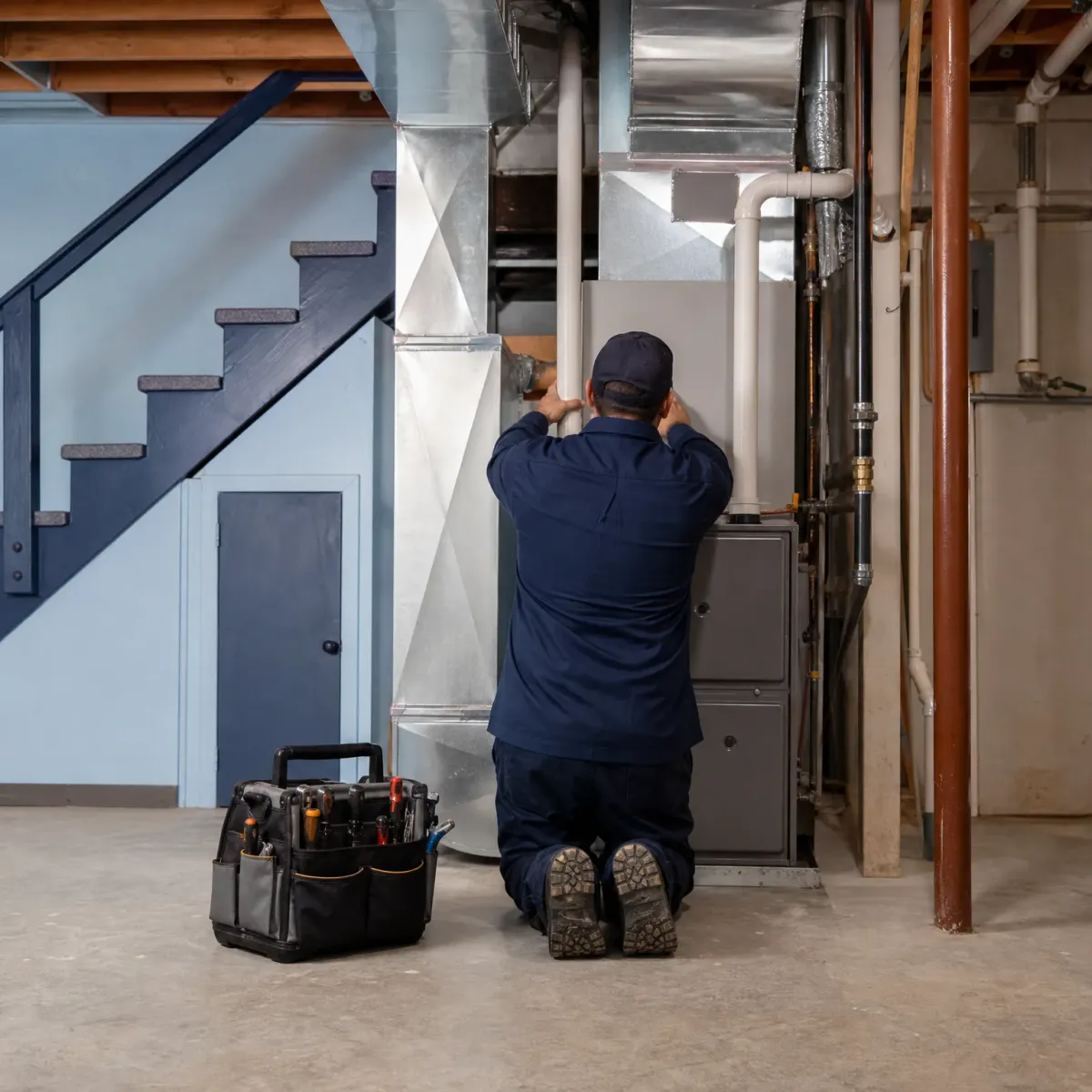
A person in dark blue work clothes and cap kneels in a basement facing a furnace and metal ductwork, with an open tool bag on the floor beside them and a painted staircase in the background.

Tell us about the job

Takes about a minute. No obligation.

New system or replacementBristol County, MA
Step 1 of 3

What kind of equipment?

Which costs less to run in Bristol County?

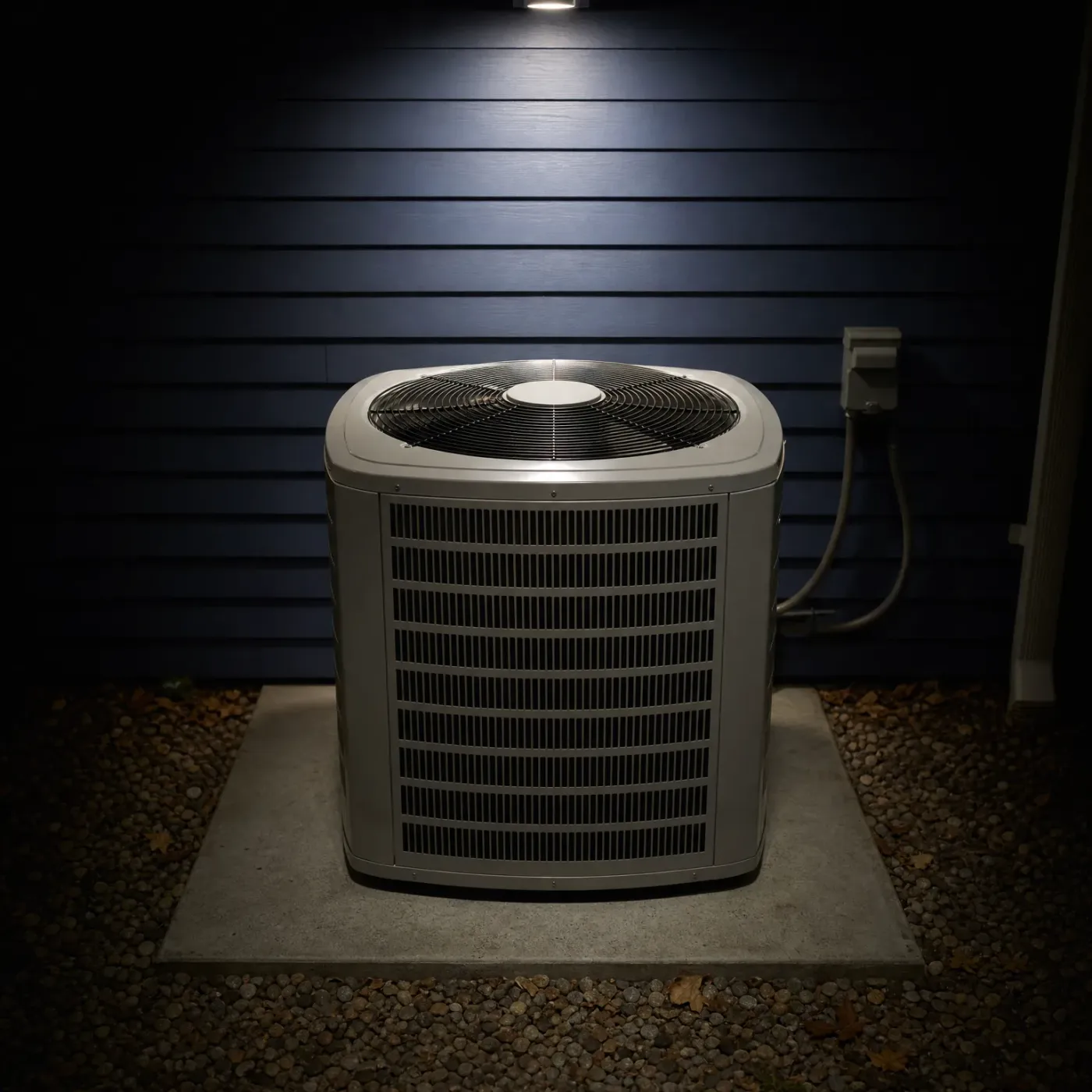
An outdoor air conditioner condenser unit on a concrete pad against a dark horizontal-siding wall at night, lit by an overhead light, with a wall-mounted disconnect box and conduit to the right and gravel with fallen leaves around the pad.

Heat pump

To heat your home here$3.91per 100,000 Btu

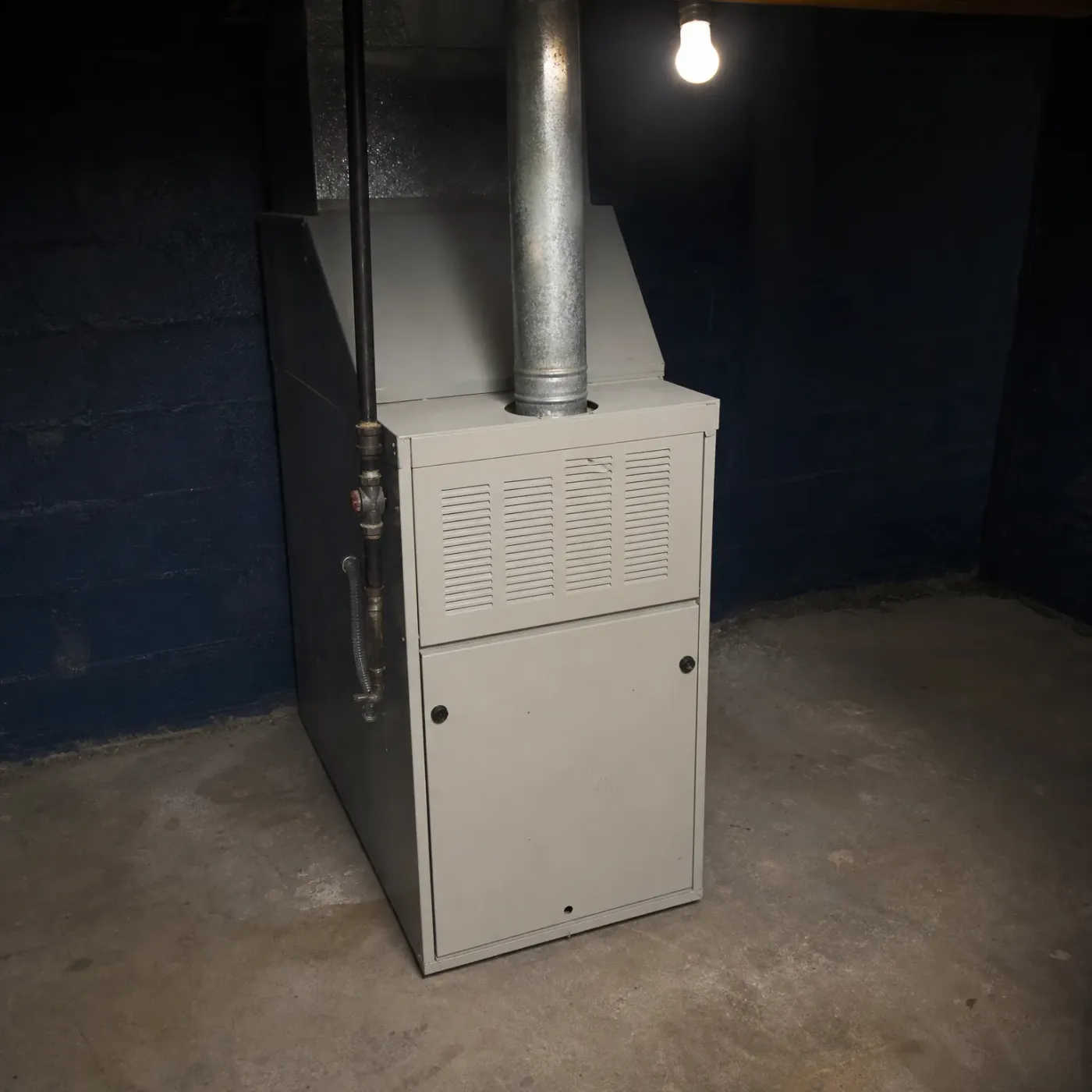
A beige residential furnace with a louvered upper panel stands on a concrete basement floor beside a dark blue painted block wall, with a galvanized metal flue pipe rising from its top and a bare lit bulb overhead.

Furnace

To heat your home here$2.66per 100,000 Btu

At Massachusetts's gas and electricity prices, a gas furnace makes the same heat as a heat pump for at least 32% less.

Btu stands for British thermal unit, the standard measure of heat energy.

Where does a heat pump shine?

  • Steady, even comfort

    It eases up and down with the weather. There are fewer swings between too warm and too cool.

    A dimly lit living room with a navy armchair, gray throw blanket, open book, lit floor lamp, stone fireplace with flames, woven basket, and a light-colored dog sleeping on a textured rug, with snowy conifers visible through the window.
  • No gas line, nothing burning in the house

    There's no gas line to the unit and no flame anywhere in it. Carbon monoxide isn't part of the picture.

    A kitchen island with a white marble-look countertop holding a black glass cooktop, a dark kettle, a blue mug and a striped towel, with navy cabinets, a marble backsplash, a wood shelf of dishes, and a window showing evergreen trees.
  • Heats and cools in one system

    One machine handles the heat in winter and the cooling in summer. There's no second system to buy or keep up.

    A living room with a cream sofa with blue cushions and a grey throw, a wooden coffee table holding a bowl of green apples and a jug of flowers, a jute rug, navy built-in bookshelves, a stone fireplace with a wood stove, and a white sash window looking onto a garden.

Where does a furnace shine?

  • Runs on the gas most homes here already use

    Most homes in Bristol County already have gas service, so a furnace just hooks into the line that's probably already running to the house. No new fuel source to add, no separate setup to figure out.

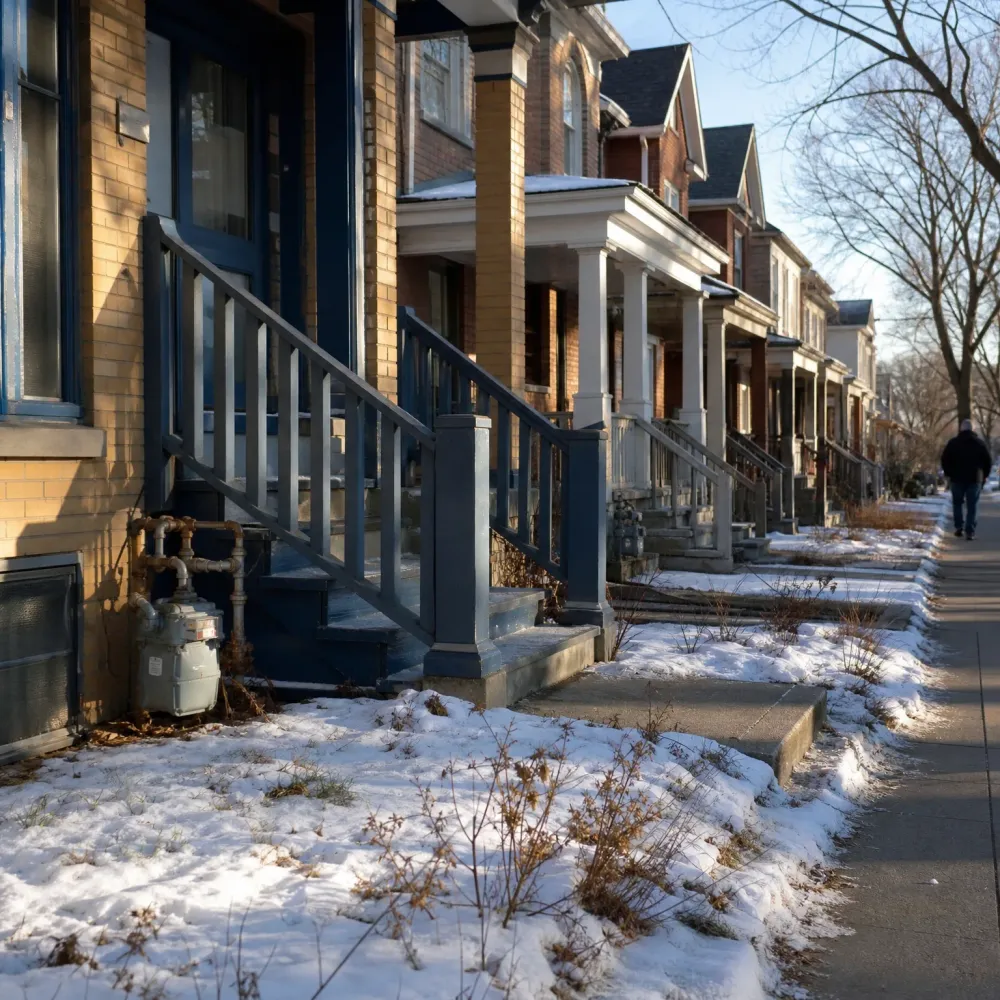
    A row of brick houses with covered porches and railed front steps along a sidewalk, with patchy snow and dry weeds in the front yards and a person walking away in the distance.
  • Pairs with any central AC

    The ductwork that delivers heat in winter delivers cool air in summer once an AC coil is added.

    A metal floor vent set into hardwood flooring beside a window with sheer white curtains, with sunlight and leaf shadows on the floor and a blue-and-cream patterned rug at right.
  • Proven, simple, easy to get serviced

    Parts are easy to find and most repairs are routine. Getting one fixed rarely means waiting on a specialist.

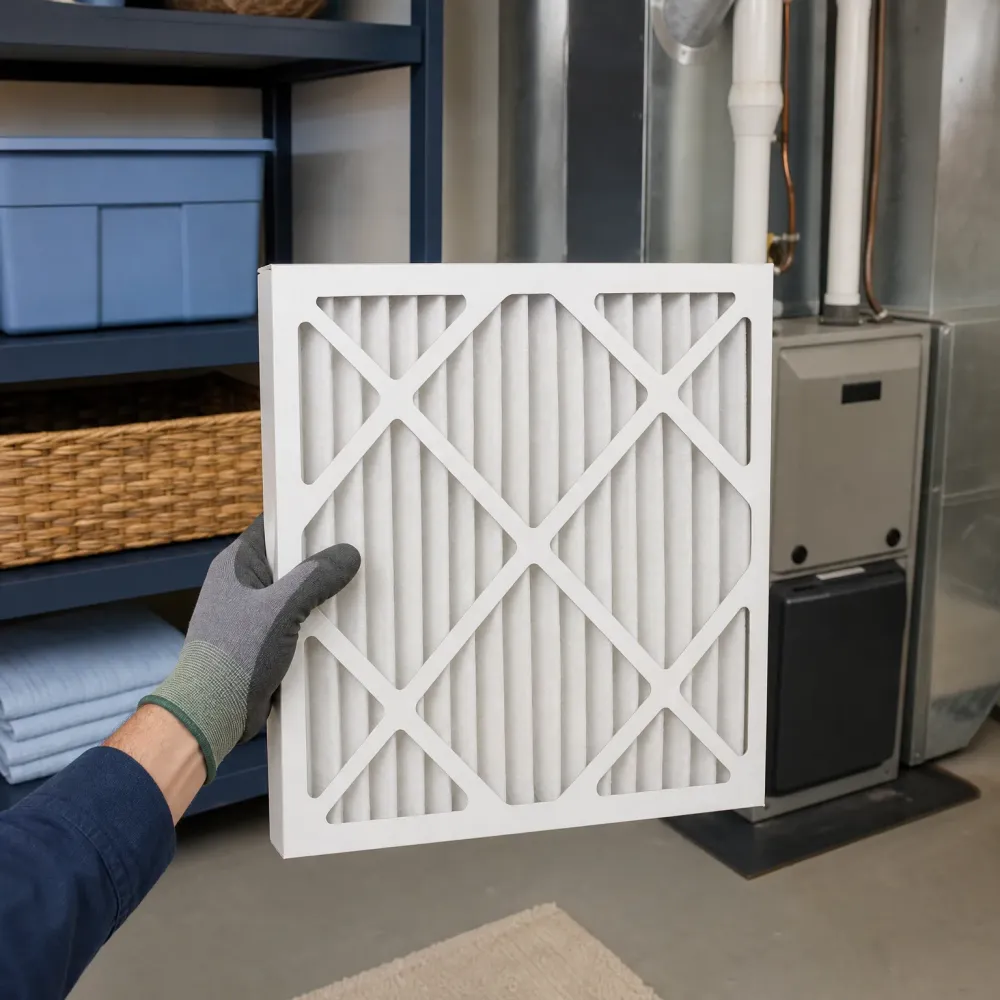
    A gloved hand holds a white pleated air filter in a basement utility area with a furnace, ductwork, and shelving holding storage bins and towels.

Can a heat pump keep up with a Bristol County winter

Your heat runs eight months a year here, October through May, and the average overnight low across December, January and February is 23°F. That matters because a standard heat pump starts losing ground before it gets anywhere near that cold. Below 40°F it already puts out less heat than its rating says. Below about 35°F it typically needs backup heat to make up the difference. Bristol County's winter average sits below both marks.

About 130 nights a year here drop to freezing or below, more than half the nights across the whole heating season. Every one of those nights is cold enough to pull a standard heat pump below both the 40°F and 35°F marks. Only about 2 nights a year reach 0°F, so the real test here isn't deep cold, it's the long stretch of ordinary freezing nights where the machine is working harder than its rating suggests.

That doesn't rule out a heat pump. A cold climate model carries a different number: to earn the ENERGY STAR Cold Climate mark, it has to keep at least 70 percent of its 47°F capacity and still produce at 5°F. A field test of prototype cold climate heat pumps over two winters found backup heat covered only a small share of the heating load between 0°F and 35°F, and the units rarely ran on backup alone even above 0°F. So the gap between a heat pump's rating and what it delivers on a cold night is real for a standard unit, and a lot smaller for a cold climate one.

A two-story dark blue clapboard house with white trim and a light blue front door, surrounded by deep snow, with water and a shoreline visible in the background under a clear sky.

What each one costs to run, and what that means for your choice

At Massachusetts prices, heat here runs $2.66 per 100,000 Btu on a gas furnace, $2.81 on oil, and $3.91 on a heat pump. Gas is the cheapest of the three, oil is close behind, and the heat pump costs the most to run under this method, which credits it for its federal minimum seasonal rating and adds nothing for the backup heat it may need on the coldest nights.

Which of those fits your house depends partly on what's already there. A little under three in five homes in Bristol County heat with utility gas, and about one in four heat with oil, so for most houses here a furnace means staying on a fuel the house may already be set up to burn. Electricity heats a little over one in ten homes here now.

A gas furnace only heats. It has nothing to do with your house for the four months a year nobody's running the heat, so it pairs with whatever central AC your house already has. A heat pump runs the same system both ways, no separate air conditioner, no gas line, nothing burning inside the house. If keeping a single system for heating and cooling matters to you, that's the heat pump's case. If running cost through the long heating season matters most, a gas furnace is the cheaper one here, with oil close behind and a standard heat pump running highest. Where a cold climate heat pump lands against that gas number isn't in the facts here, so that's worth asking a contractor directly.

Sources: NOAA nClimDiv · NOAA 1991–2020 seasonal normals · PNNL Building America guide · PNNL-37127 field study · ENERGY STAR product criteria · EIA SEDS 2024 · 10 CFR 430.32 · Census ACS 2020–2024

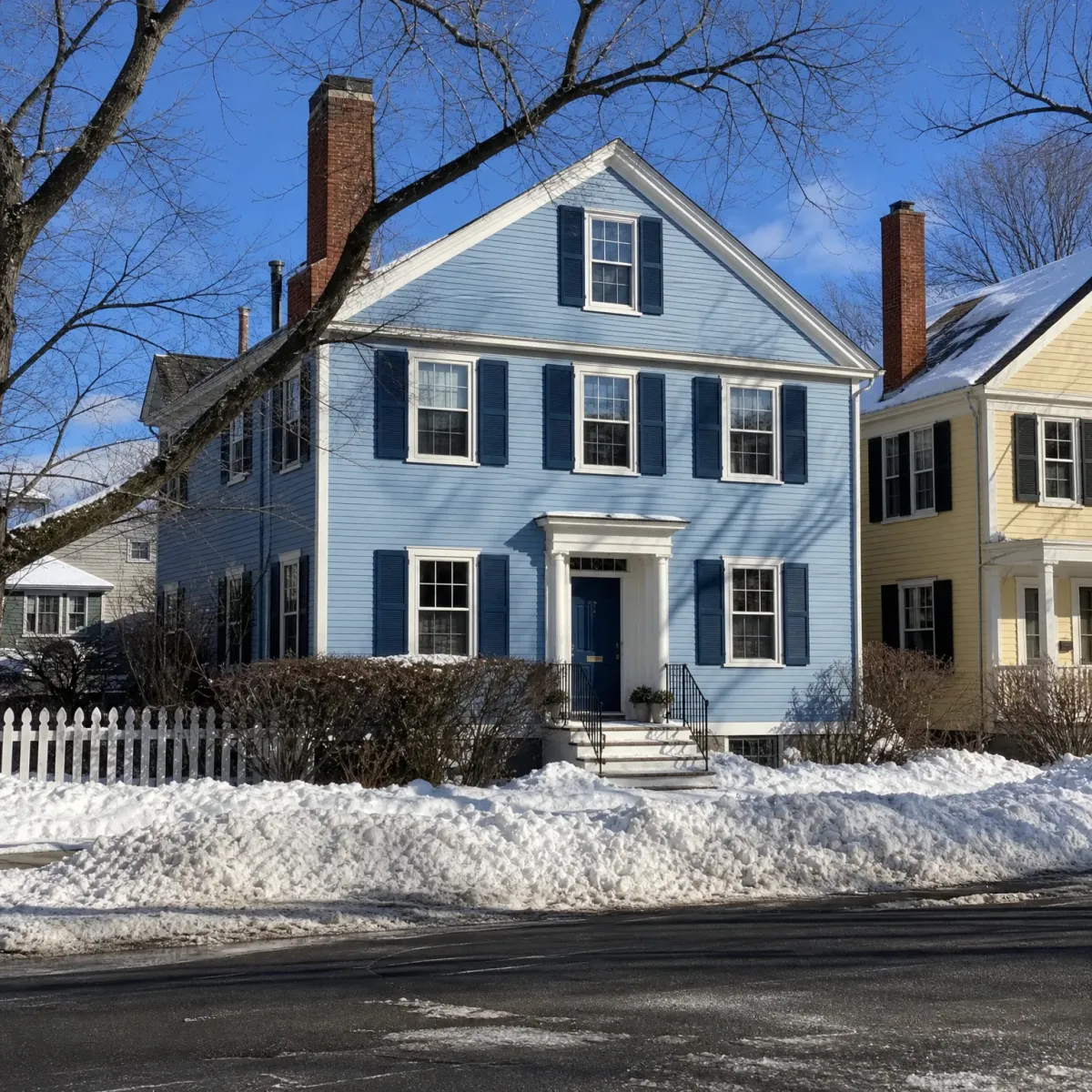
A two-story light blue clapboard house with dark blue shutters, a white columned entry, and brick chimneys, flanked by a yellow house and a white picket fence, with plowed snowbanks along a bare road in the foreground under a clear sky.

Common questions about heat pumps and furnaces

  • Can a heat pump heat a house through a Massachusetts winter?

    A standard heat pump will struggle on the coldest Bristol County nights without help. Its heat output falls short of its rating below 40°F, and the overnight average here in December through February is 23°F, so it needs backup heat for the stretches below about 35°F. A cold-climate heat pump is built to hold more of its capacity down to 5°F, which matters since about 130 nights a year here drop to freezing or below.

  • Do I need backup heat with a heat pump here?

    Most likely, yes. A standard heat pump's heating efficiency drops below about 35°F outside, and that happens on more than half the roughly 245 nights the heat runs here. A cold-climate model rated under the ENERGY STAR program holds up better in that range, so the answer depends some on which heat pump you're looking at.

  • Can I keep my furnace and add a heat pump?

    Yes, and in Bristol County that pairing has a real job to do. The heat pump can carry the house through the milder stretches of the eight-month heating season, then the furnace takes over once it's below the 35°F mark where a standard heat pump often needs backup heat, which covers more than half the nights here.

  • Is a heat pump cheaper to run than a furnace in Bristol County?

    No, a gas furnace runs cheaper here. At Massachusetts's average prices a furnace makes 100,000 Btu of heat for $2.66 against $3.91 for a heat pump, and an oil furnace comes in between the two at $2.81.